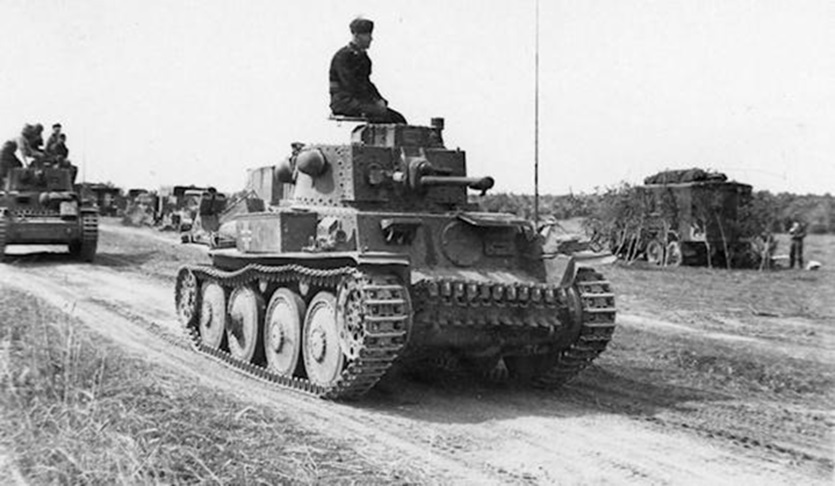
L’Anschluss è il nome con cui è conosciuto il colpo di mano con cui la Germania nazista occupò nel 1938 gran parte della Cecoslovacchia. Senza sparare un colpo, Hitler ottenne un bottino di altissimo valore strategico, fra cui il parco veicoli dell’esercito cecoslovacco e gli impianti industriali Skoda, Tatra e CKD (Českomoravská-Kolben-Daněk, poi rinominata dai tedeschi B.M.M. – Böhmisch-Mährische Maschinenfabrik). Benché convinzione radicata voglia che l’esercito tedesco fosse una perfetta macchina da guerra, la Wehrmacht era tutt’altro che pronta allo scoppio della Seconda Guerra Mondiale. La carenza di carri armati era drammatica sia dal punto di vista della qualità che del numero. A prova di ciò basti pensare che fu ampiamente utilizzato in prima linea il Panzer I, nato per l’addestramento e per questo armato di sole due mitragliatrici MG-34. È facile, quindi, immaginare l’importanza che ebbe per lo sforzo bellico tedesco poter integrare nella Panzerwaffe i carri cecoslovacchi LT vz. 38 e far proseguire la produzione dello stesso da parte delle industrie locali. L’LT vz. 38 era, infatti, un carro ben armato e straordinariamente performante per l’epoca grazie soprattutto al treno di rotolamento ed alle sospensioni a balestra. Il carro cecoslovacco conobbe, quindi, una seconda vita col nome di Panzer 38(t) (38 – anno di messa in produzione – (t) per Tschech/ceco) partecipando anche all’invasione della Russia nel 1941. Divenuto obsoleto nella versione con torretta, l’ottimo scafo fu adattato e migliorato per servire come piattaforma per vari pezzi di artiglieria e, soprattutto, come base per lo Jagdpanzer 38(t) che, dal 1944, rappresentò un buon compromesso fra la produzione di massa ed un efficace cacciacarri.
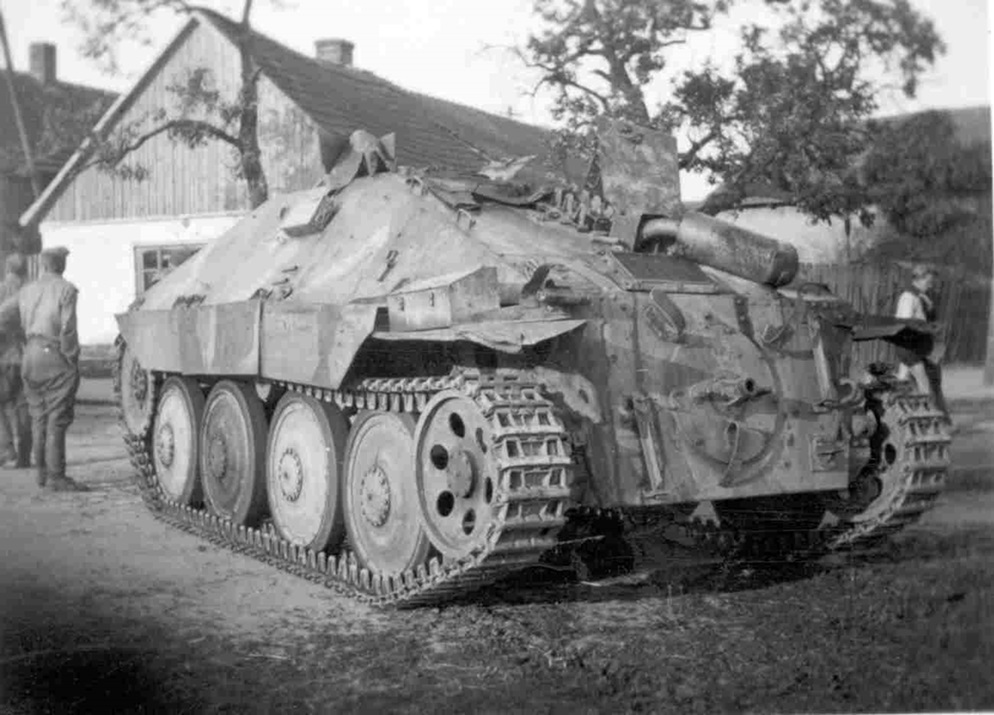
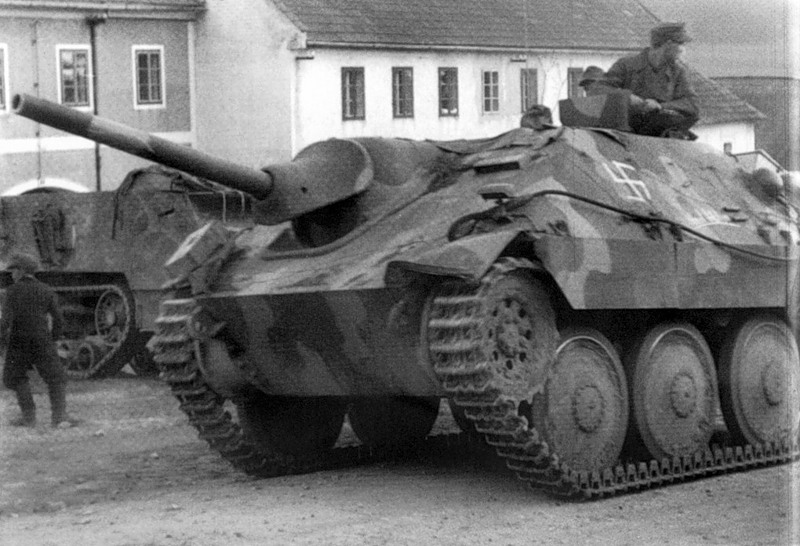
Ciò premesso, il 4 settembre 1944 B.M.M. presentò al Wa.Preuf 6 il progetto per istallare la torretta “Kugelblitz” sullo scafo del Panzer 38(t) modificato opportunamente. L’idea fu accolta ma Skoda e B.M.M. non potevano distrarre risorse dalla produzione dello Jagdpanzer 38(t). Inoltre, lo chassis del Panzer 38(t) aveva ormai raggiunto i suoi limiti, perciò, si optò per avviare la produzione in territorio del Reich di un nuovo tipo di scafo che, più moderno e versatile, prese il nome di Panzer 38D (“D” per Deutsch/tedesco). Leggermente più grande del predecessore, il Panzer 38D era prima di tutto pensato come Waffentrager, termine che indicava una piattaforma cingolata per armamenti di vario genere, compresi cannoni d’artiglieria, antiaerei ed anticarro. Nel 1944-45, l’industria bellica tedesca, finalmente consapevole dell’importanza della standardizzazione e della produzione di massa, individuò nel Panzer 38D il veicolo multiruolo con cui meccanizzare efficacemente l’intero esercito, divisioni di fanteria comprese. Benché mai entrato in produzione, il Panzer 38D fu ipotizzato in infinite versioni, ivi compresa quella con torretta “Kugelblitz”.

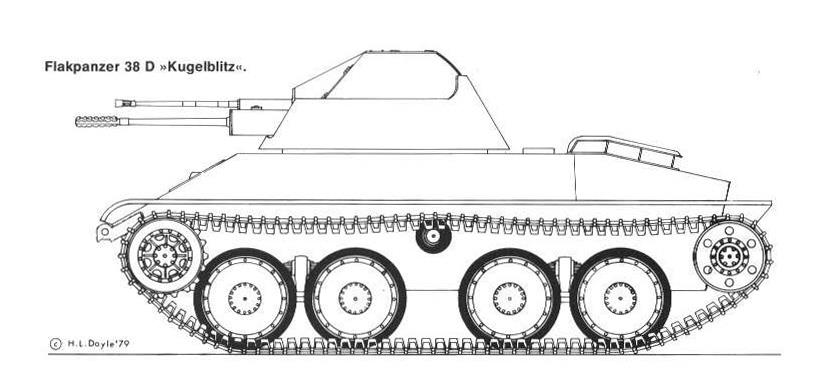
La “Kugelblitz” (fulmine globulare) era una torretta sferica progettata per ospitare due cannoni automatici MK-103 da 3 cm alimentati a nastro. Il 3cm MK-103 era un’arma sviluppata dalla Rheinmetall-Borsig per essere imbarcata su velivoli. La Luftwaffe preferì l’uso massivo del più leggero 3cm MK-108, perciò il versatile e potente 3cm MK-103 si rese disponibile alla Wermacht che ne apprezzò le capacità antiaeree e di supporto. Il cannone fu montato su vari affusti. La produzione più significativa riguardò la 3cm Flak-103/38 che usaval’affusto della 2cm Flak-38 mentre fu costruito solo qualche prototipo (probabilmente uno solo) di 3cm Flakvierling-103/38 (versione quadrinata simile alla 2cm Flakvierling-38). L’uso più interessante del 3cm MK-103 è certamente quello come armamento della torretta “Kugelblitz“. Originariamente progettata per equipaggiare gli U-Boot di nuova generazione, la “Kugelblitz” fu anche ipotizzata per i Flakpanzer, i carri armati con armamenti antiaerei concepiti per garantire protezione alle truppe terrestri contro gli attacchi dei Jabo, i cacciabombardieri alleati. Benché non siano ad oggi disponibili informazioni certe sull’impiego operativo, qualche esemplare di Flakpanzer_IV “Kugelblitz” fu effettivamente costruito. Restò, invece, un semplice progetto il Flakpanzer 38D “Kugelblitz”.
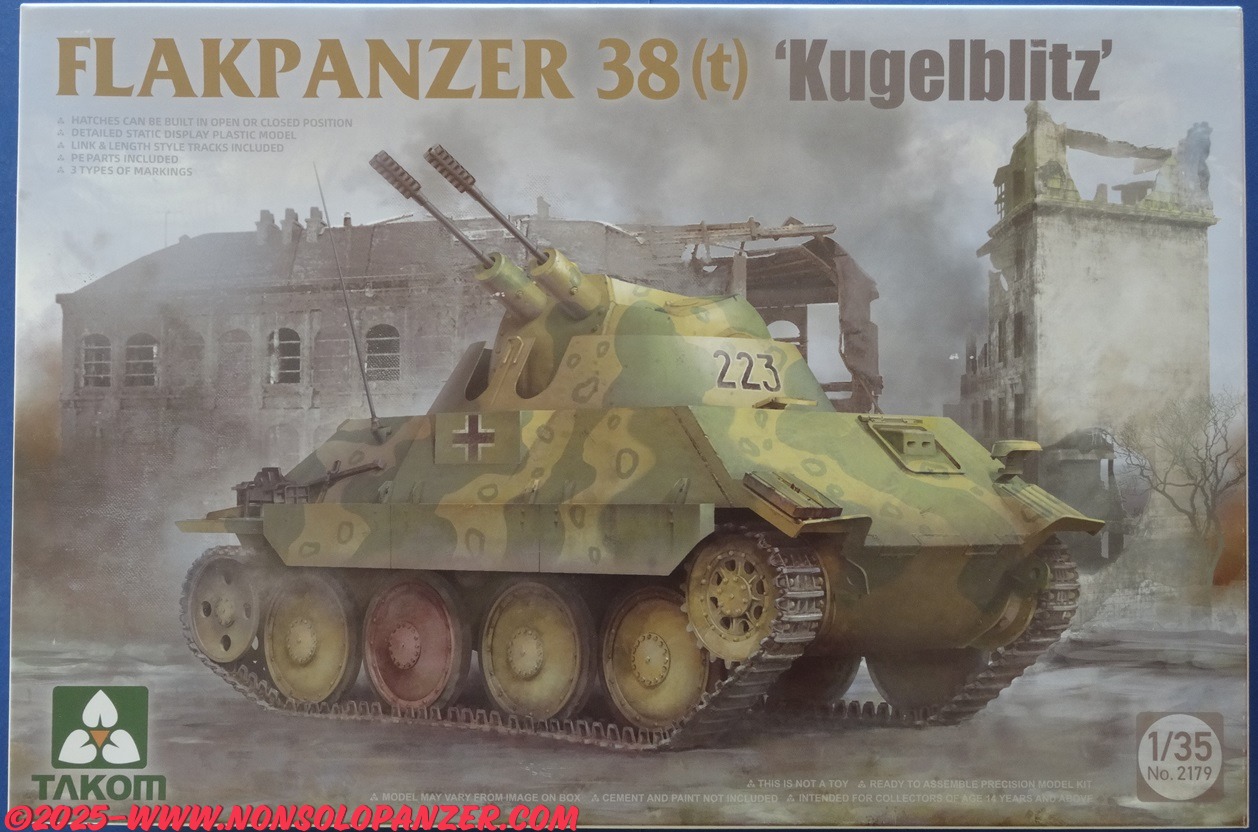
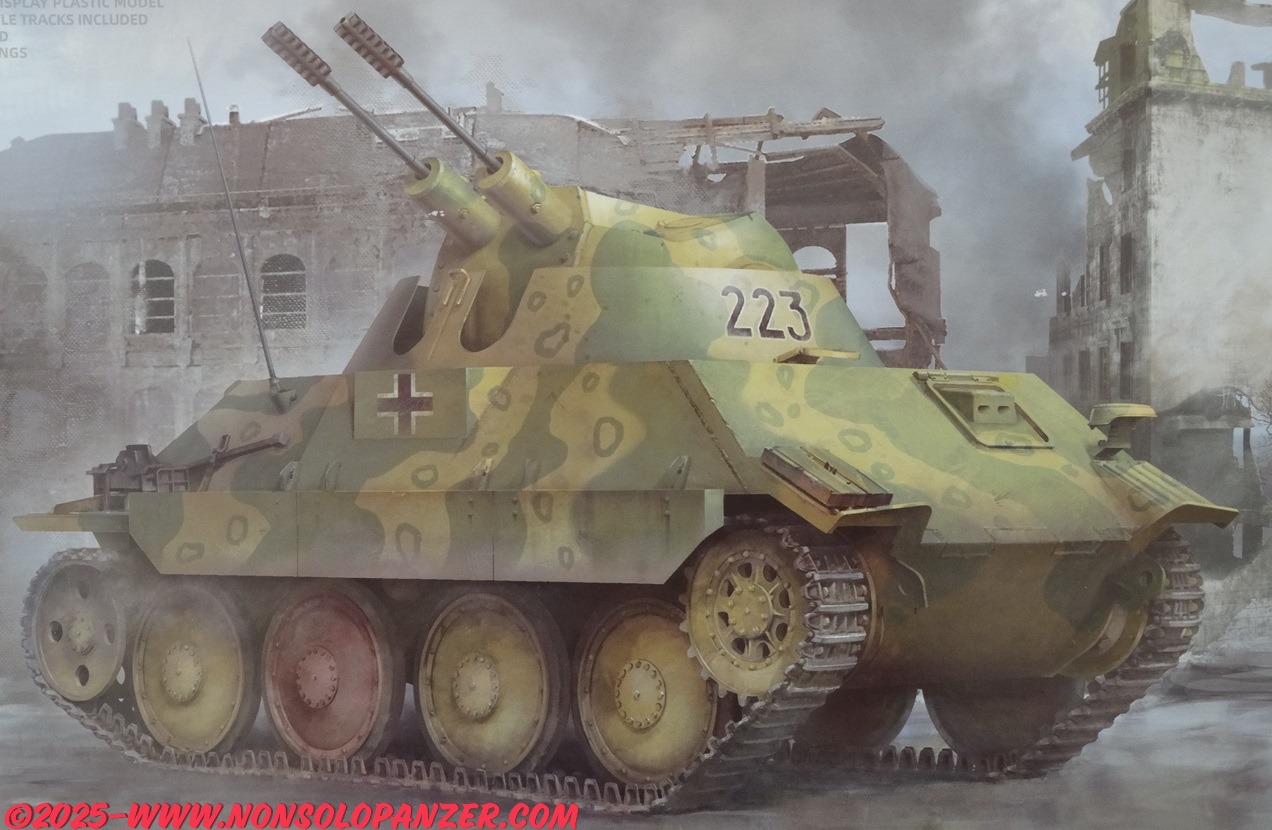
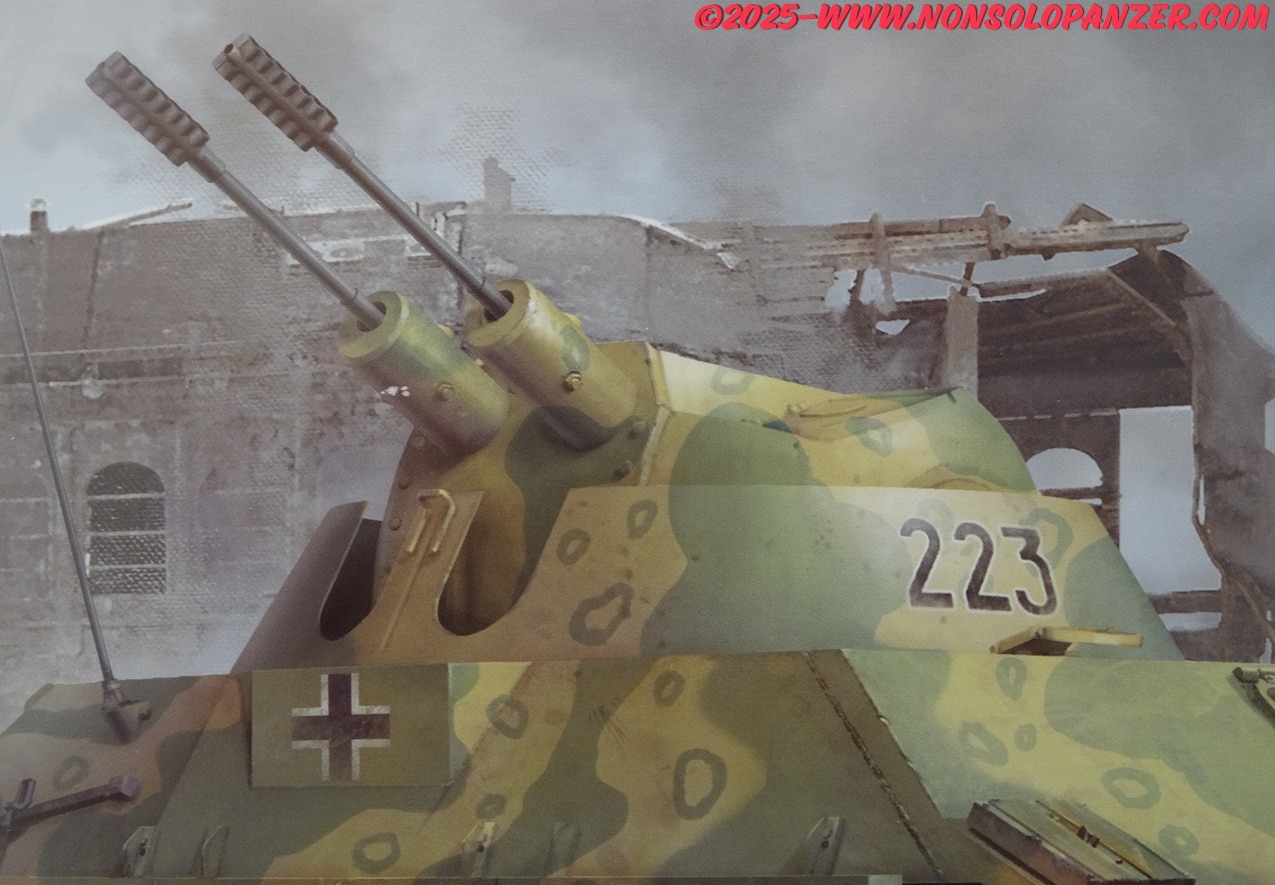
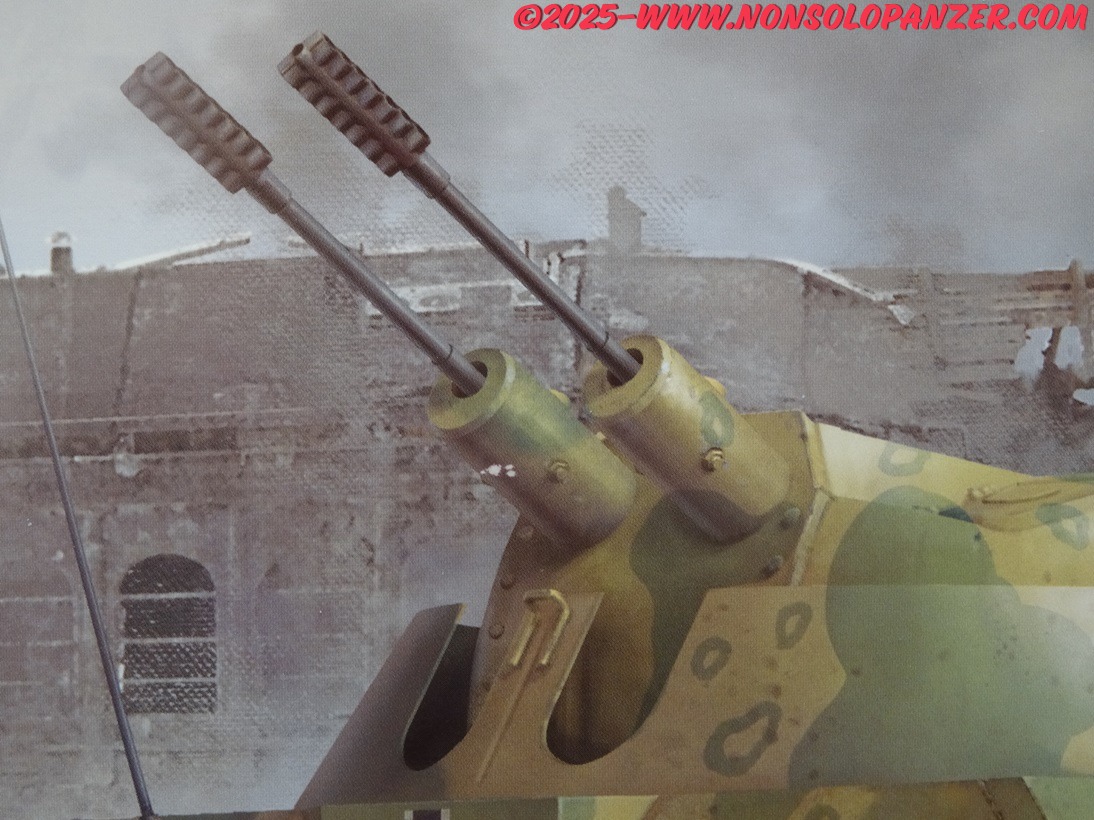
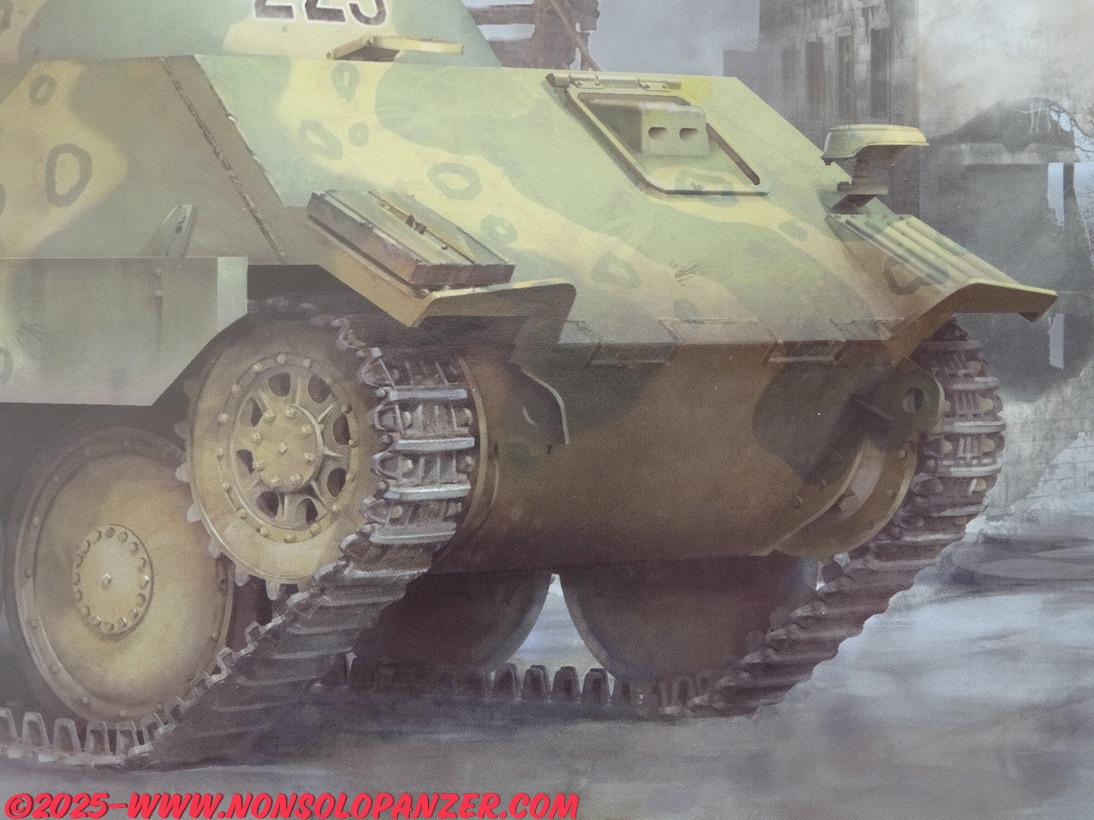

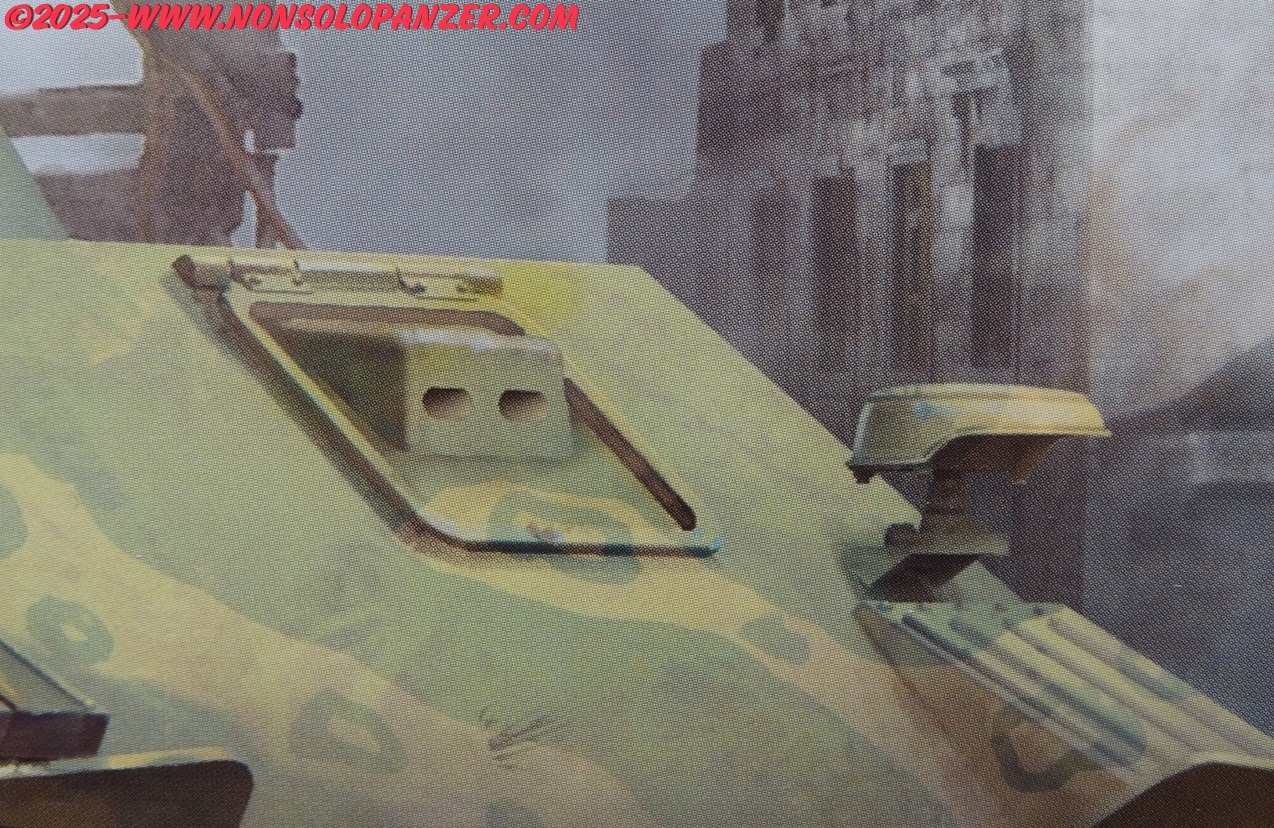
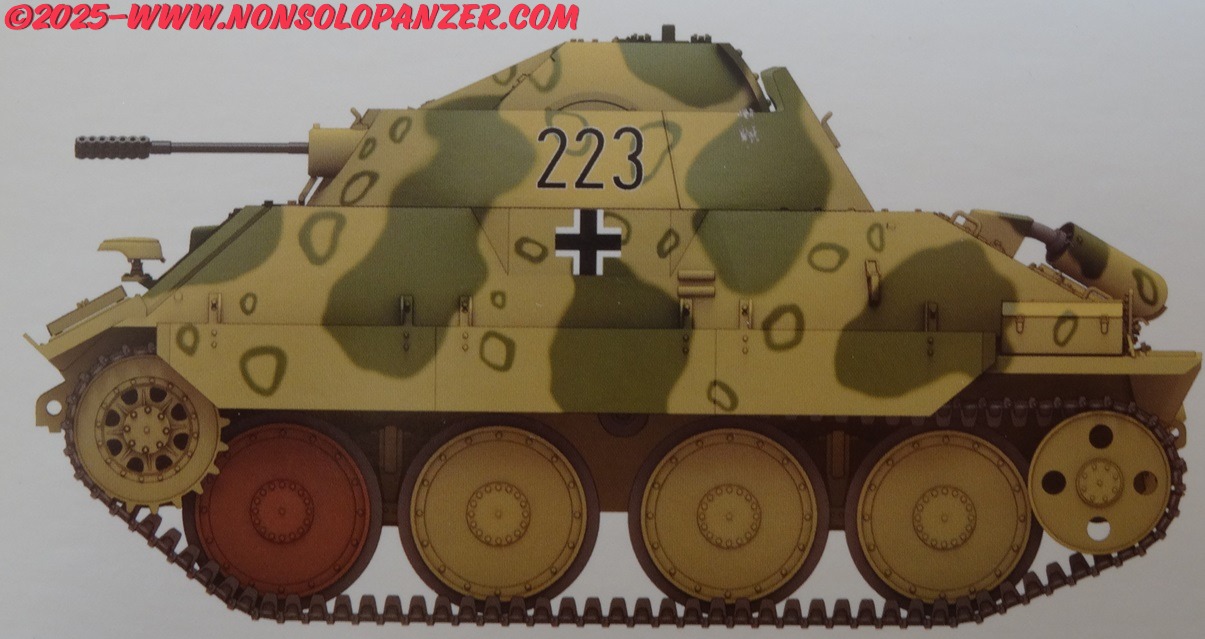
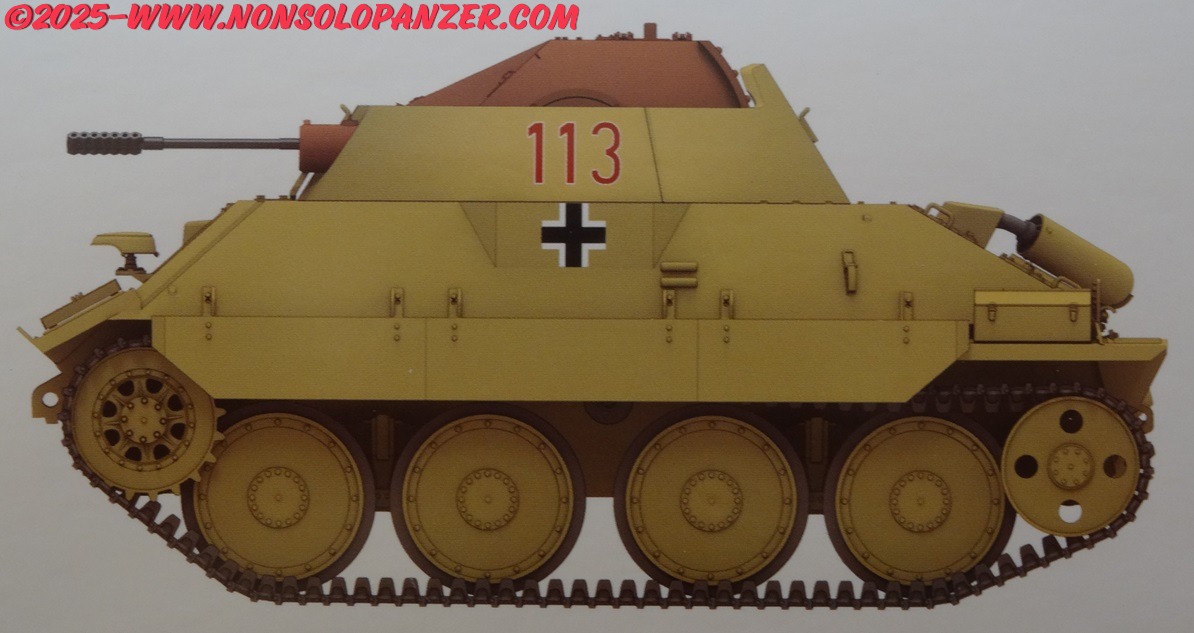
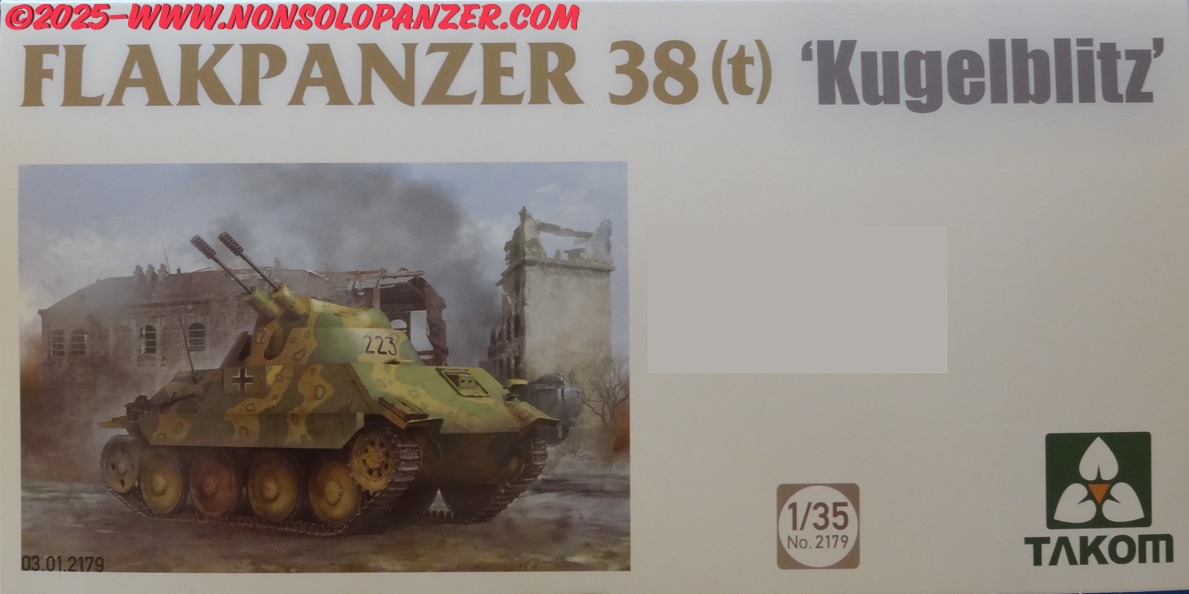
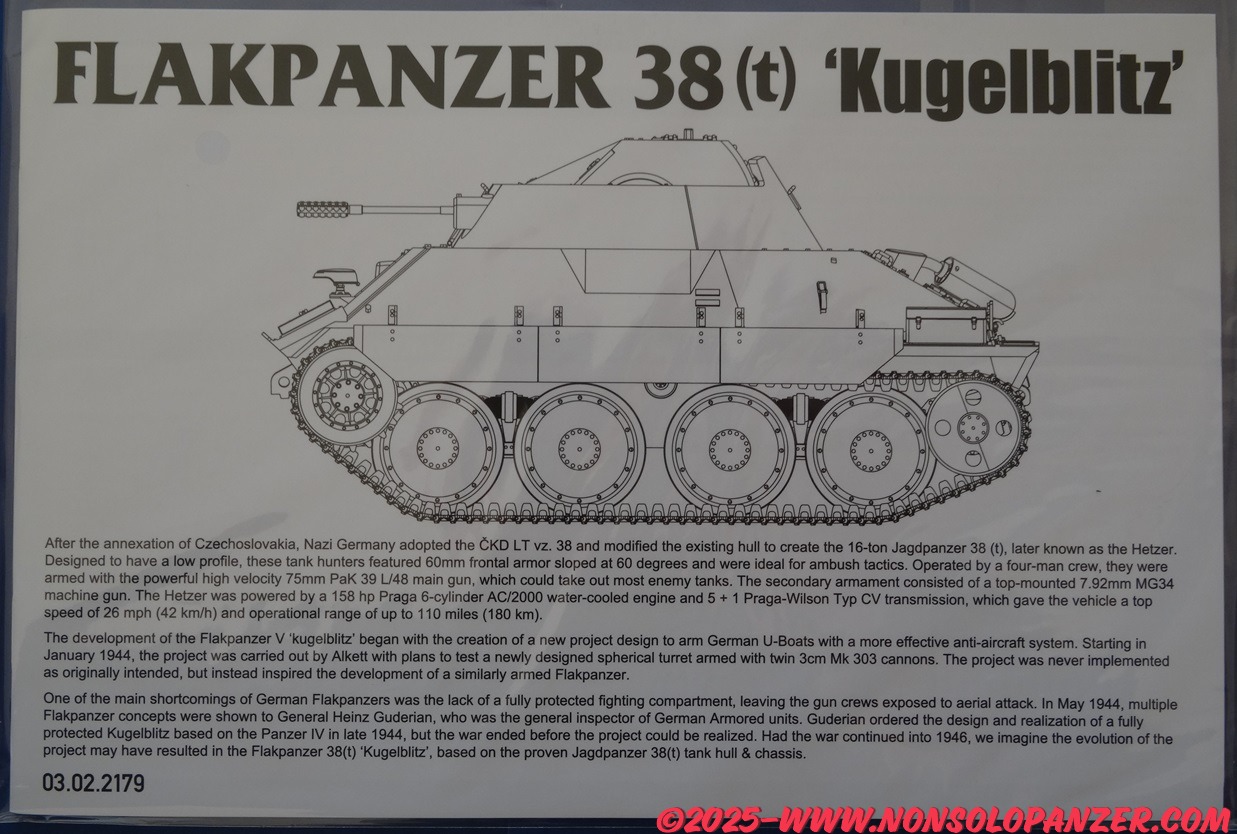
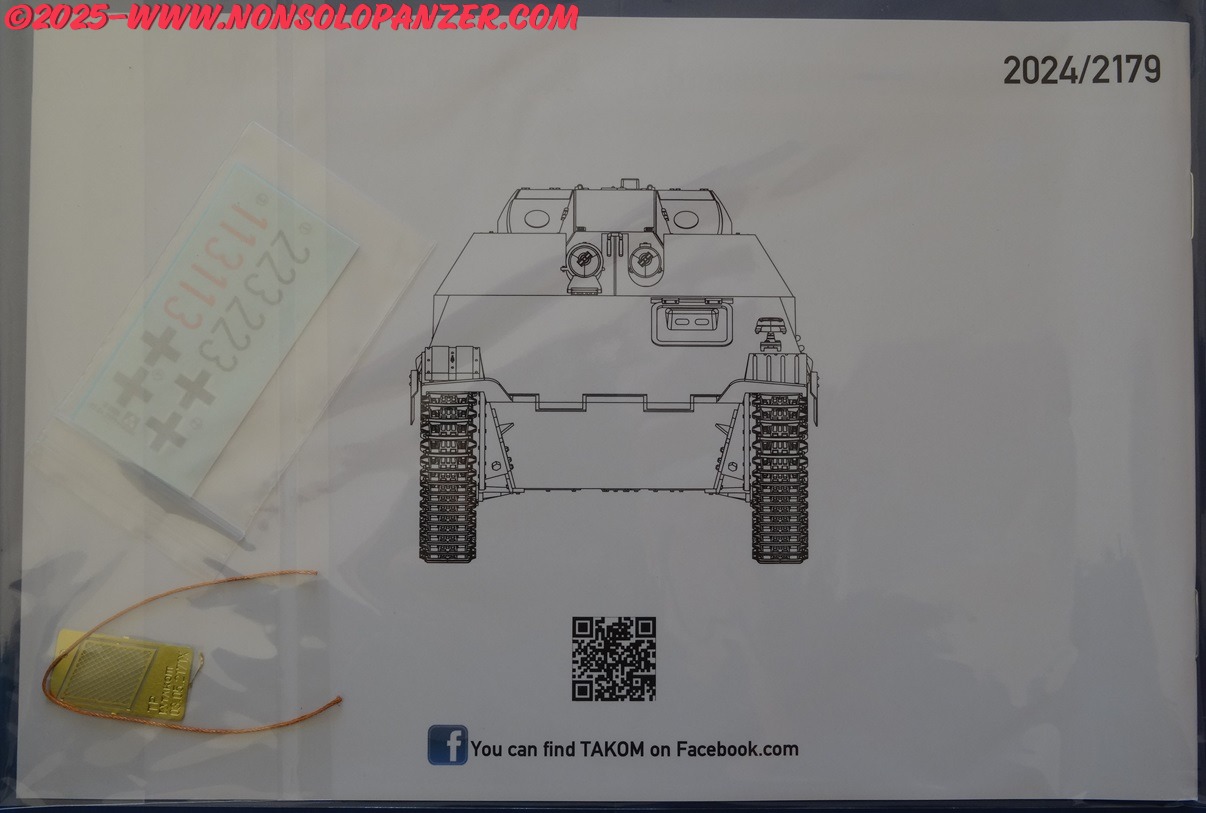
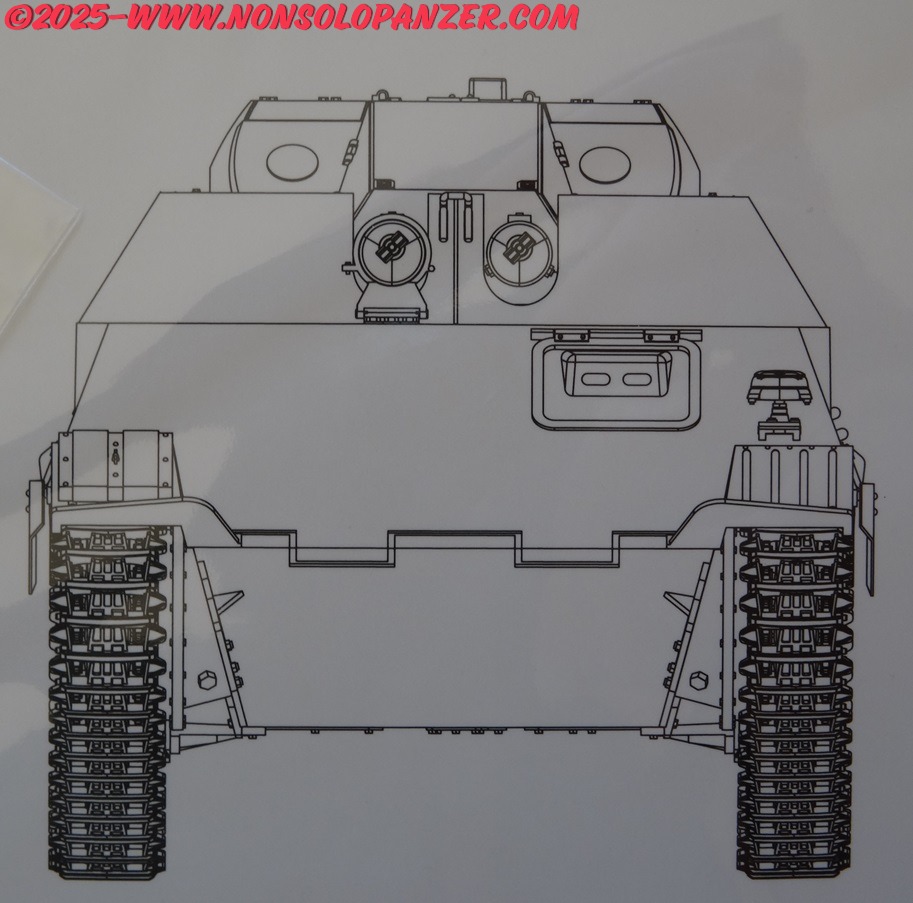
Takom ha recentemente commercializzato il kit in 1/35 del Flakpanzer 38(t) “Kugelblitz”. Il veicolo unisce la torretta “Kugelblitz” con lo scafo dello Jagdpanzer 38(t) di cui Takom ha realizzato un’ampia gamma di modelli. Takom, quindi, ha preso gli stampi del suo Jagdpanzer 38(t) e, con piccole modifiche, ha aggiunto la “Kugelblitz”. In quanto appassionato di progetti tedeschi, ho prontamente acquisto questo kit ma è giusto ricordare che, Panzer Tracts No.20-2 “Paper Panzers: Aufklaerungs, Beobachtungs & Flakpanzer” alla mano, il Flakpanzer 38(t) “Kugelblitz” fu un progetto di B.M.M. scartato dal Wa.Preuf 6. Fu, infatti, lo scafo dello Panzer 38D ad essere scelto per ricevere la “Kugelblitz”, non quello del Panzer 38(t). Le ragioni sono ben comprensibili: oltre ai miglioramenti puramente tecnici (motorizzazione, trasmissione, etc.) lo scafo del Panzer 38D era più lungo e largo, perciò, era una piattaforma più stabile e performante di quella del Panzer 38(t). Il Flakpanzer 38(t) “Kugelblitz” è, quindi, un veicolo che non avrebbe mai visto la luce nemmeno se la Seconda Guerra Mondiale fosse proseguita di qualche anno. Non considero tutto ciò una tragedia. Il soggetto è, comunque, accattivante perciò sono molto felice di avere il modello a disposizione.
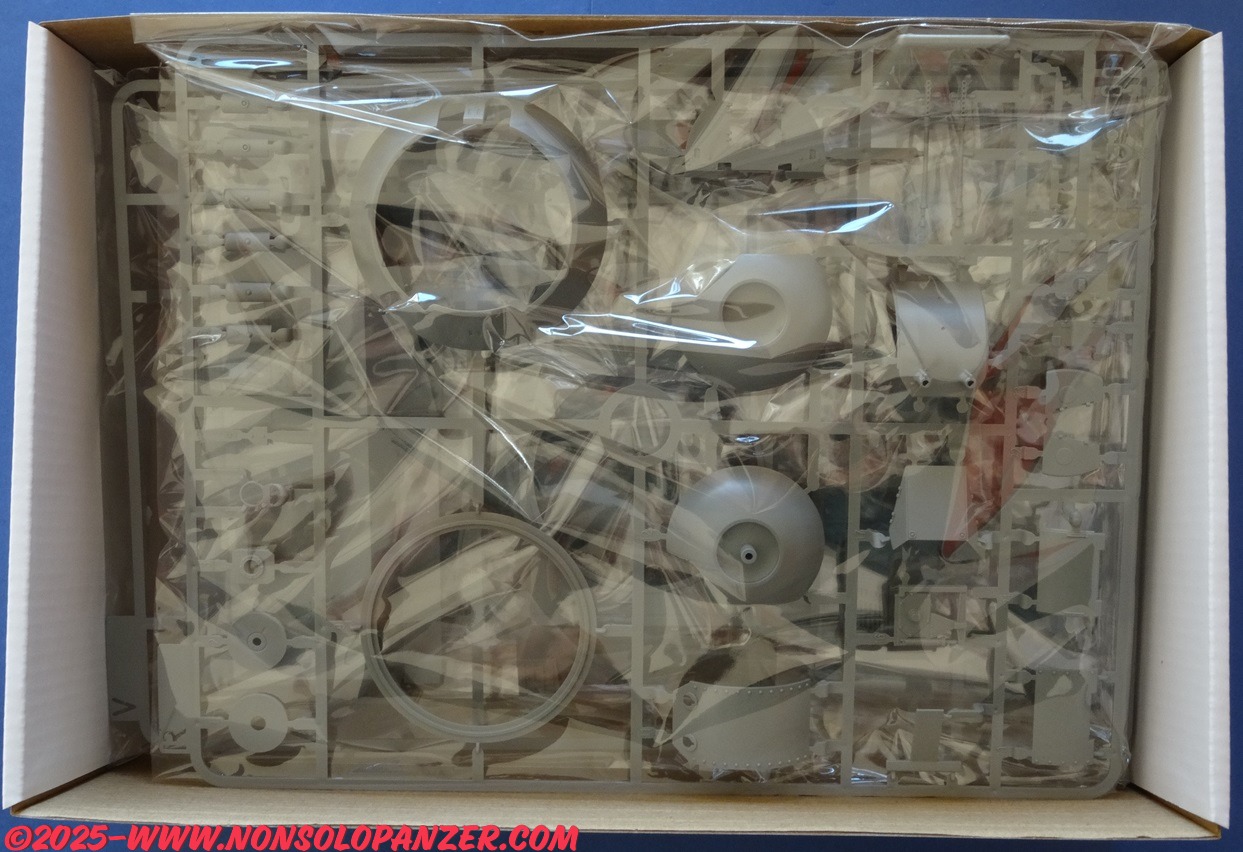
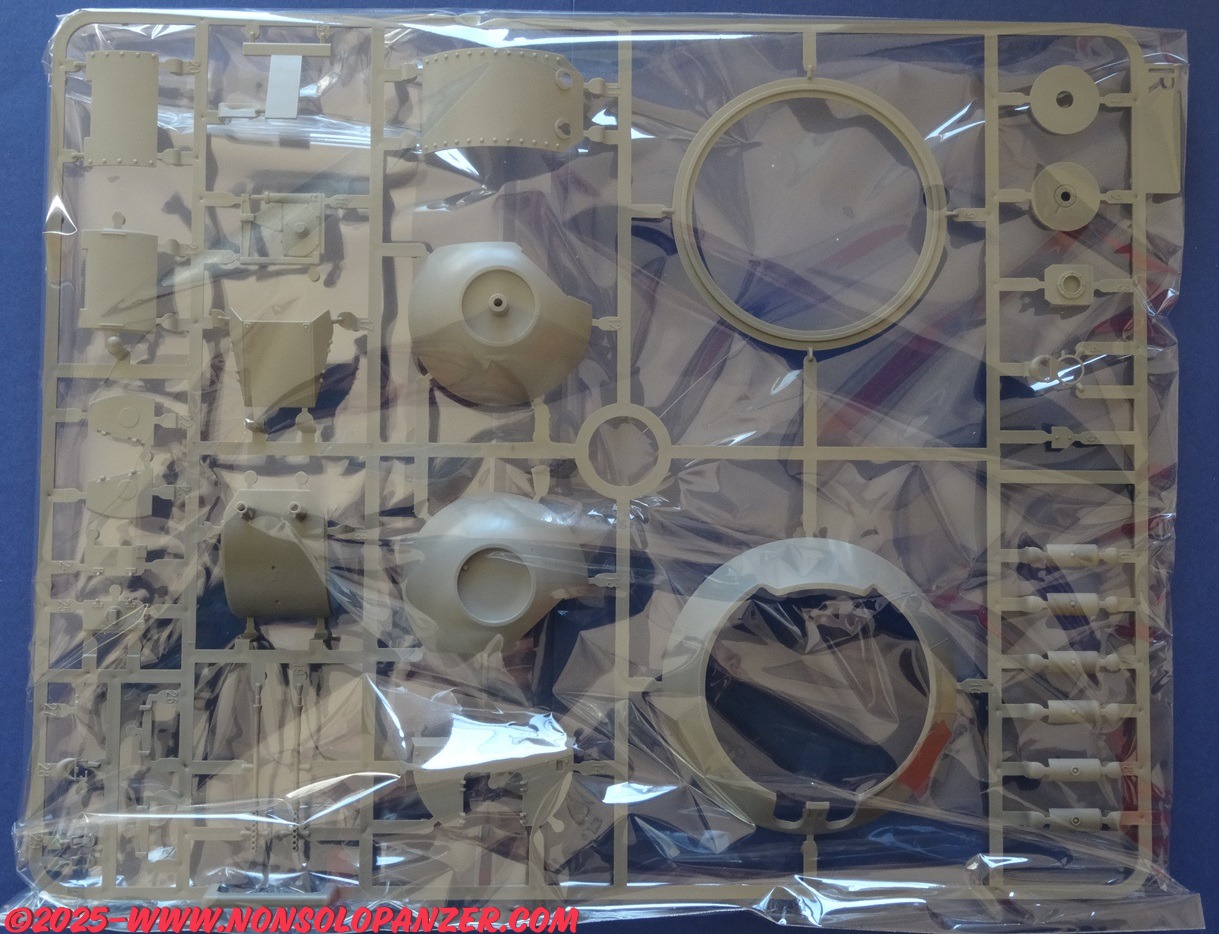
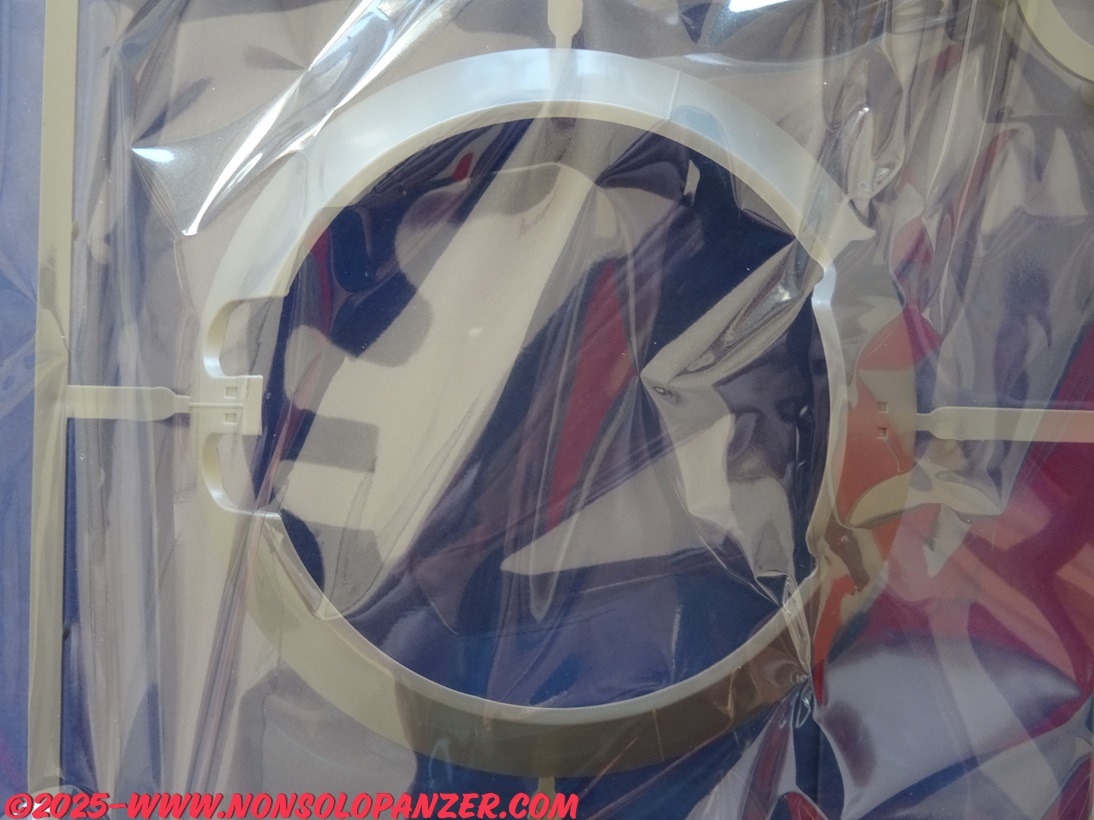
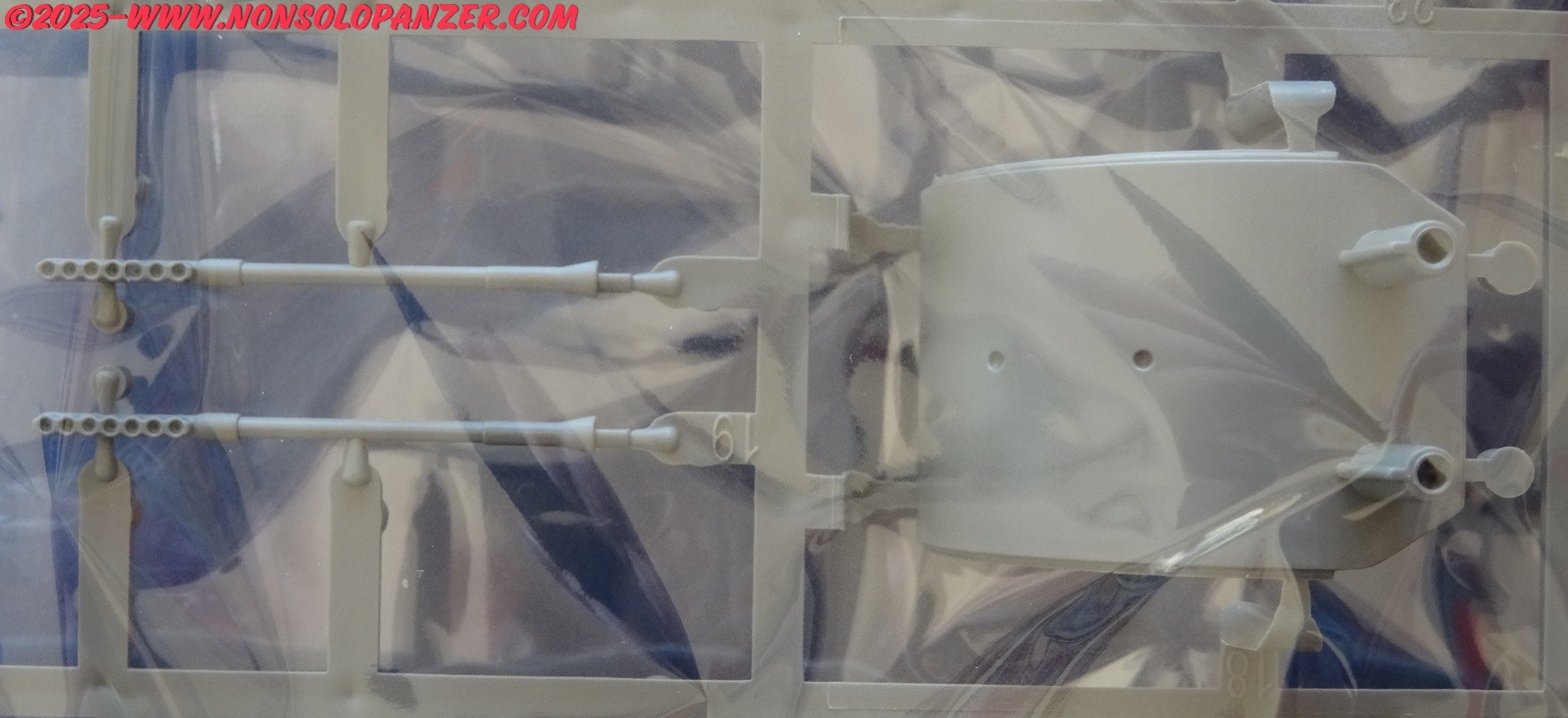

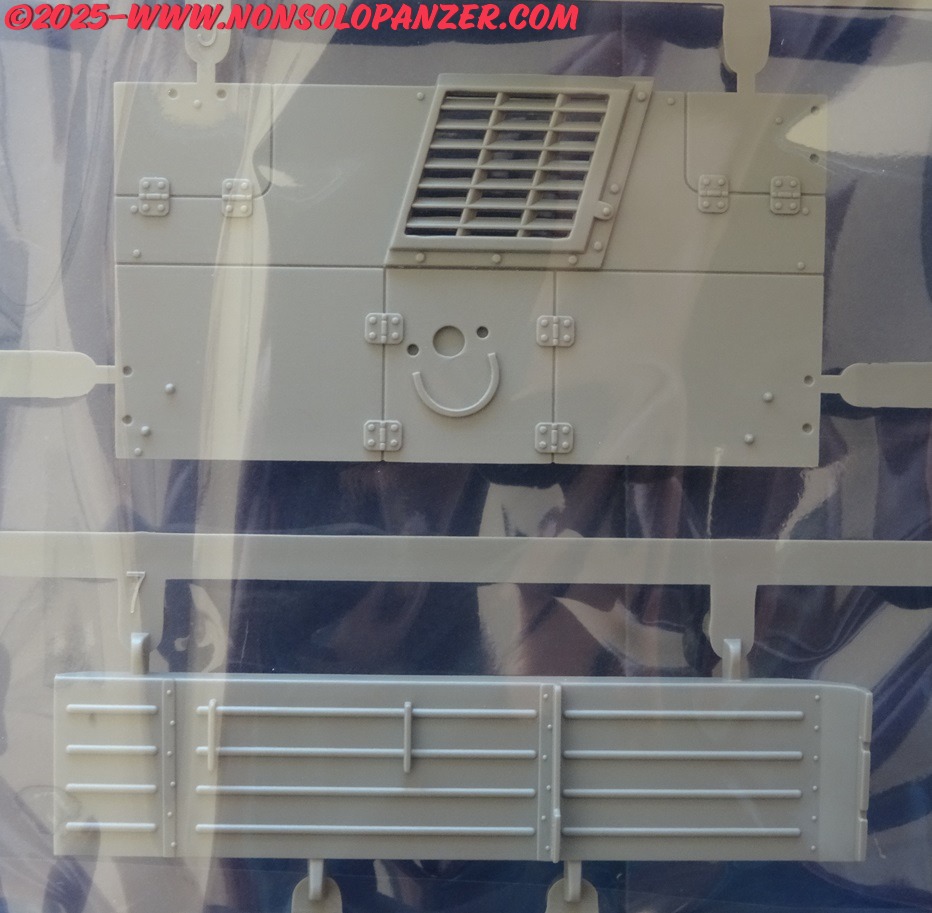
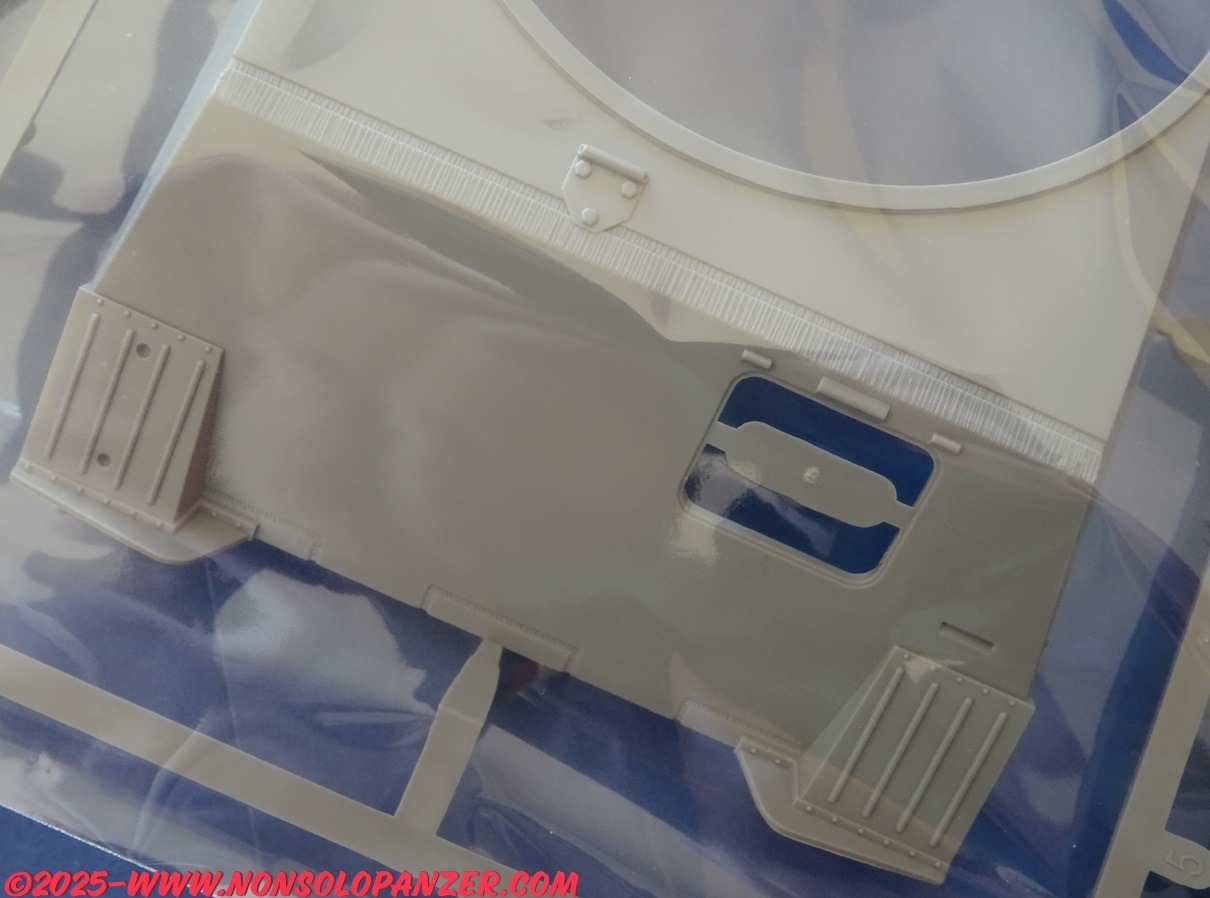
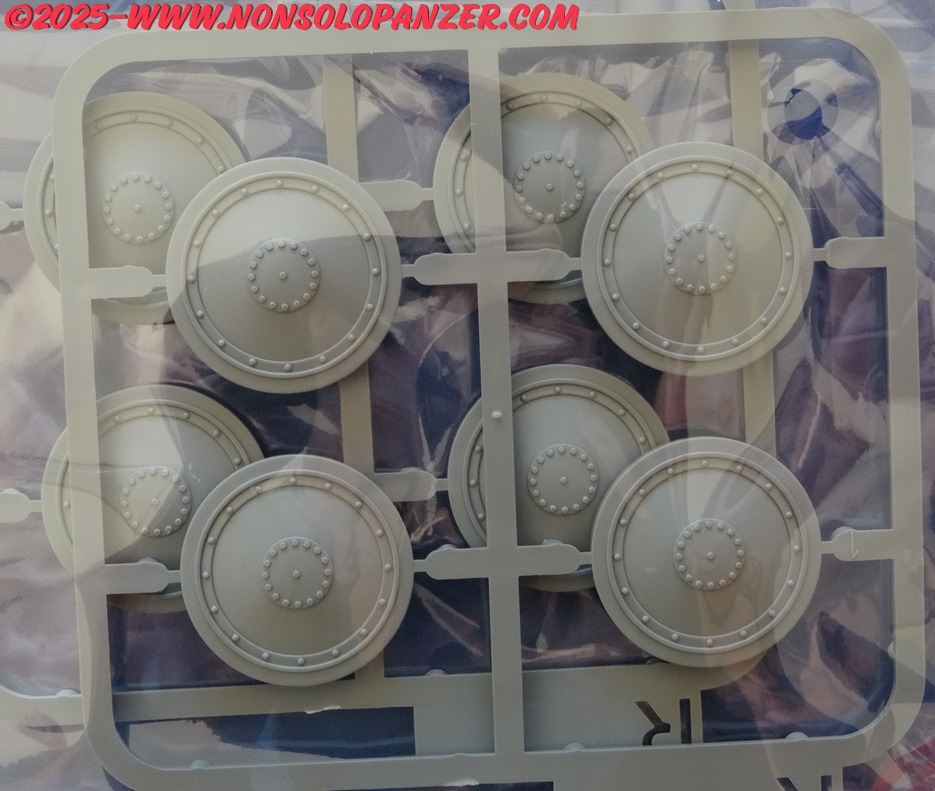
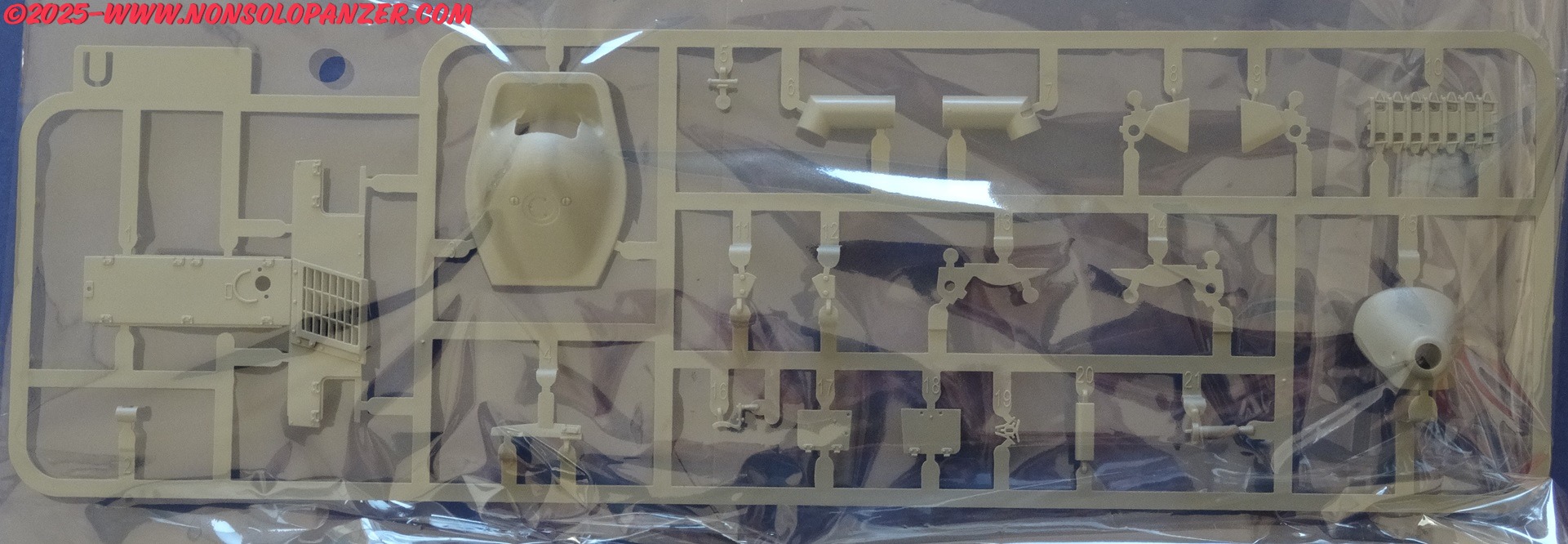
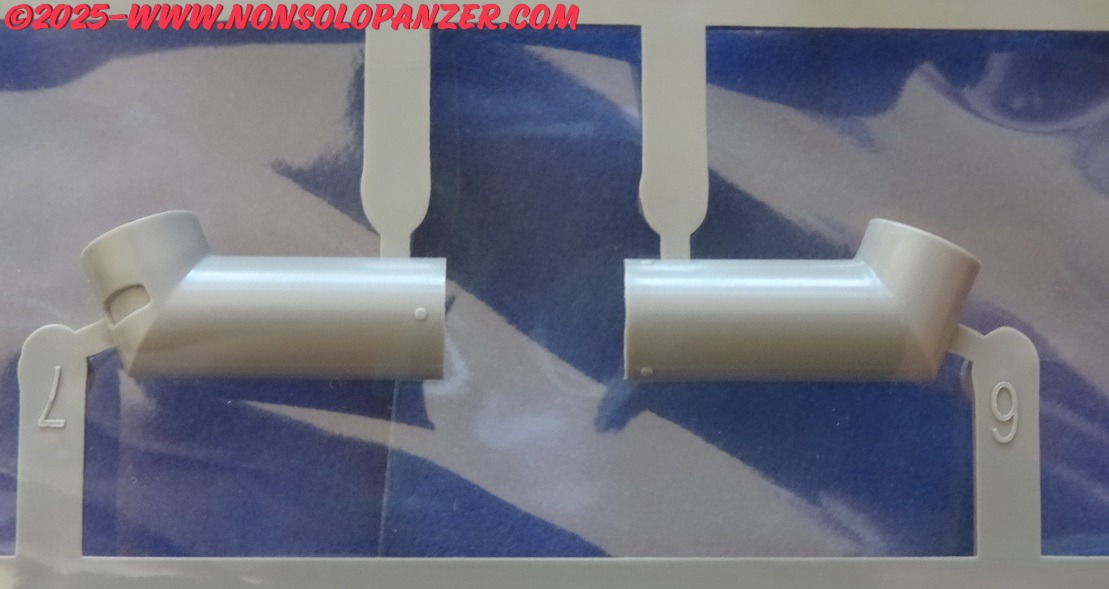
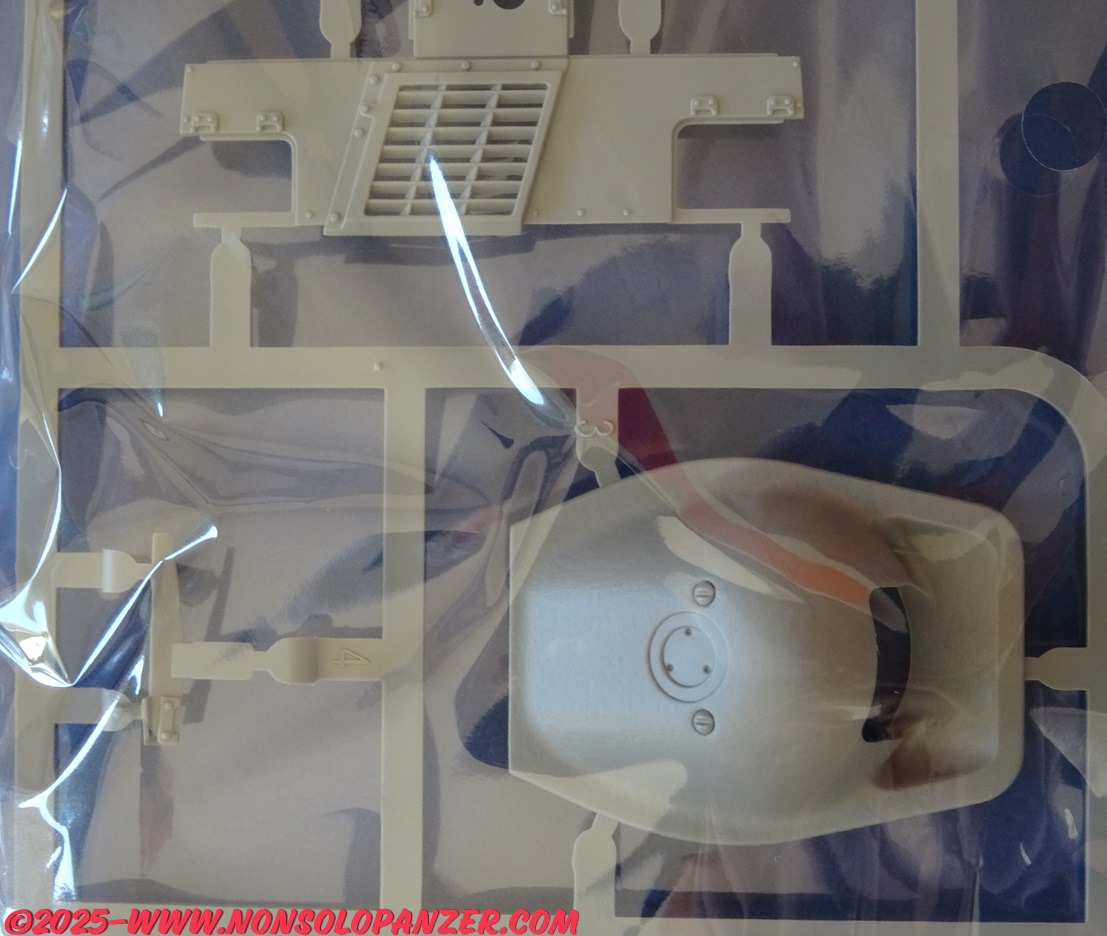
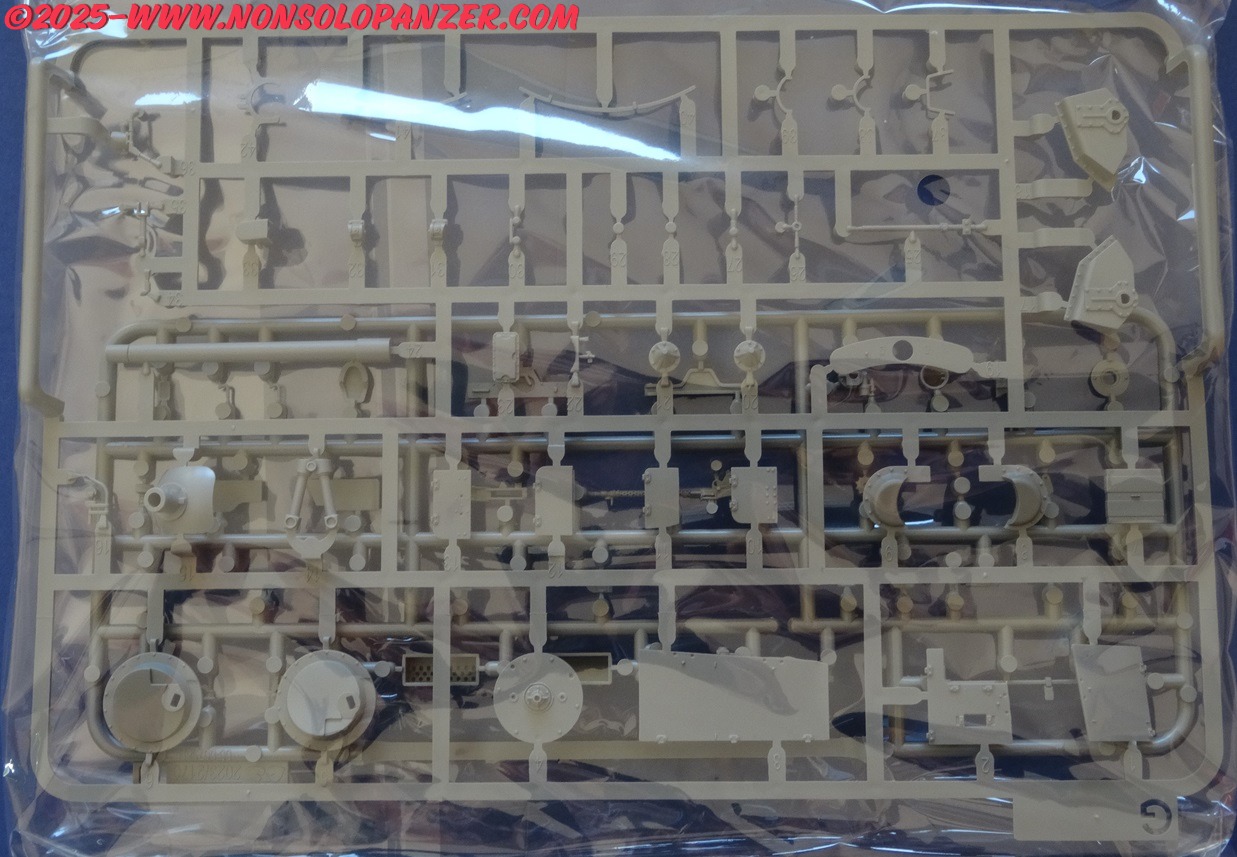
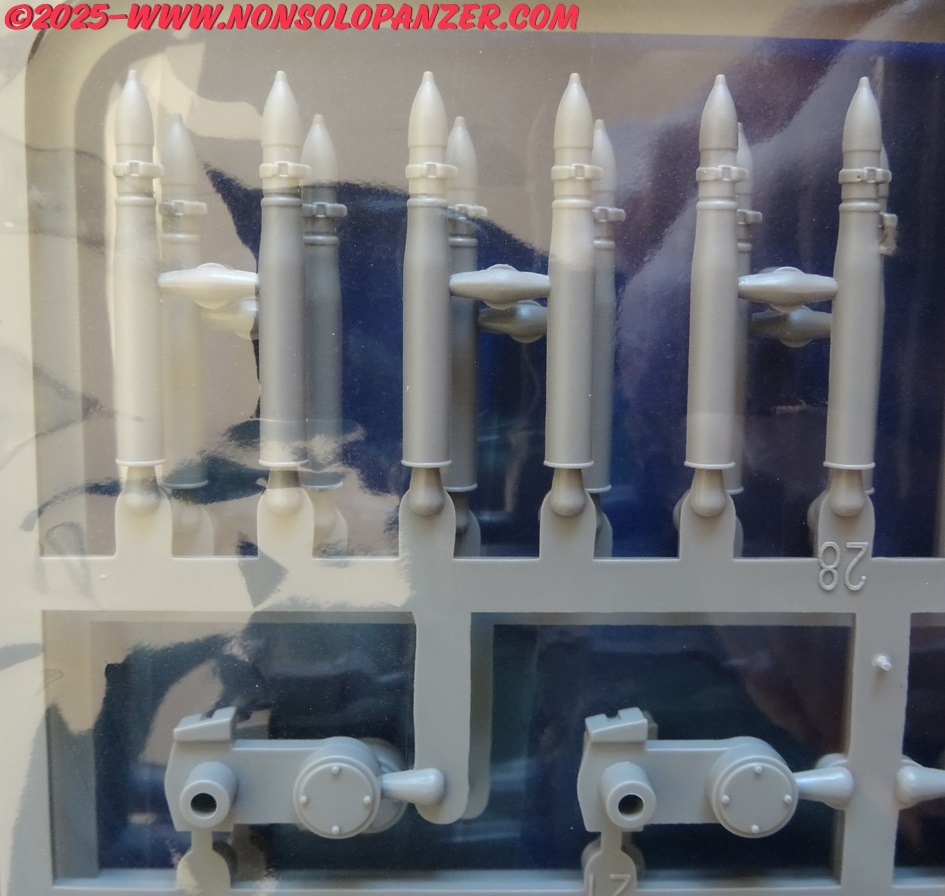
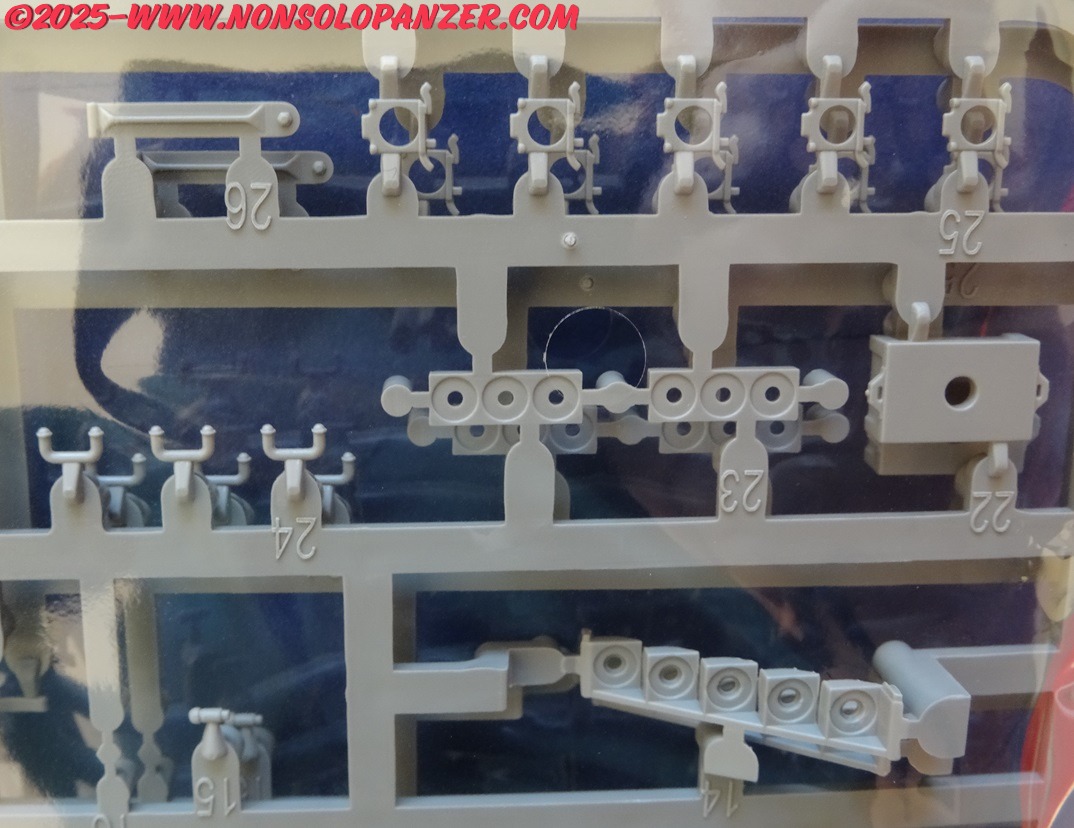
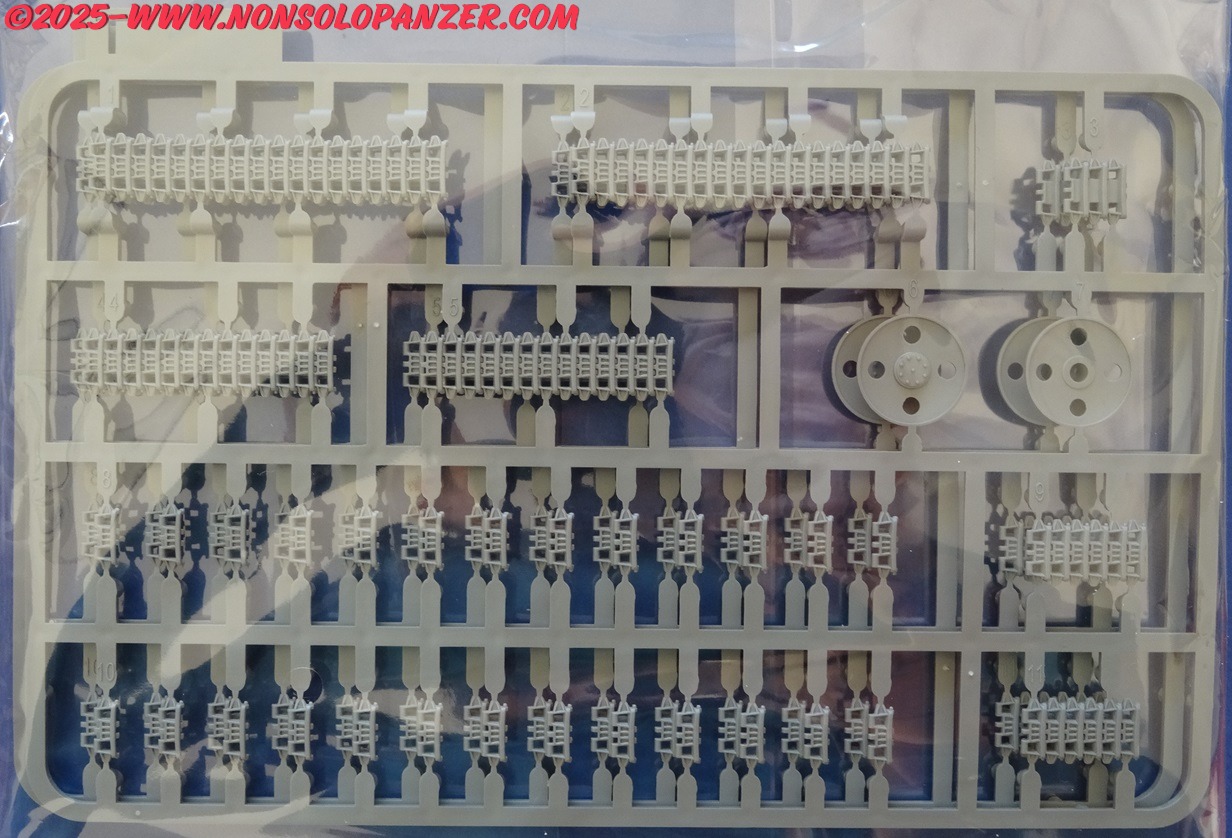
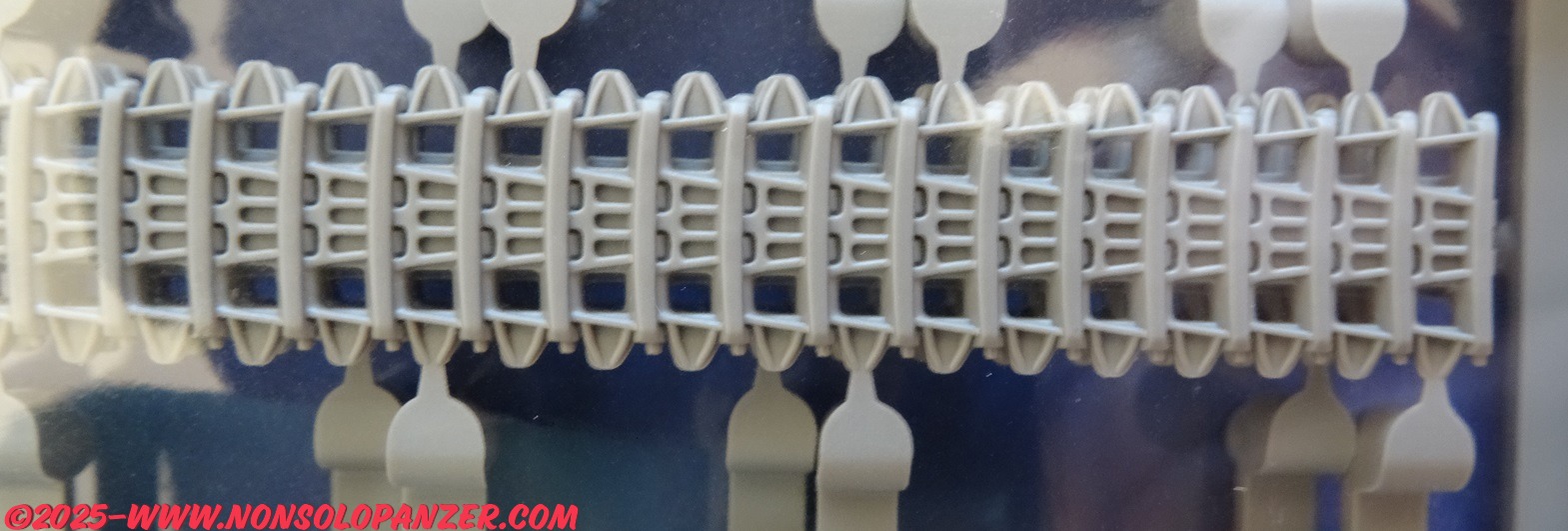
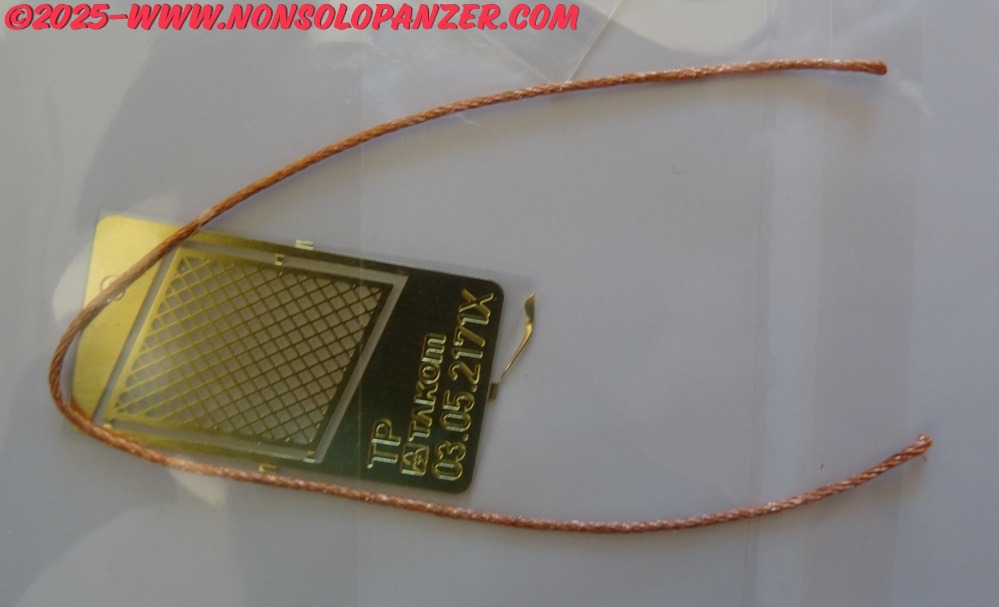
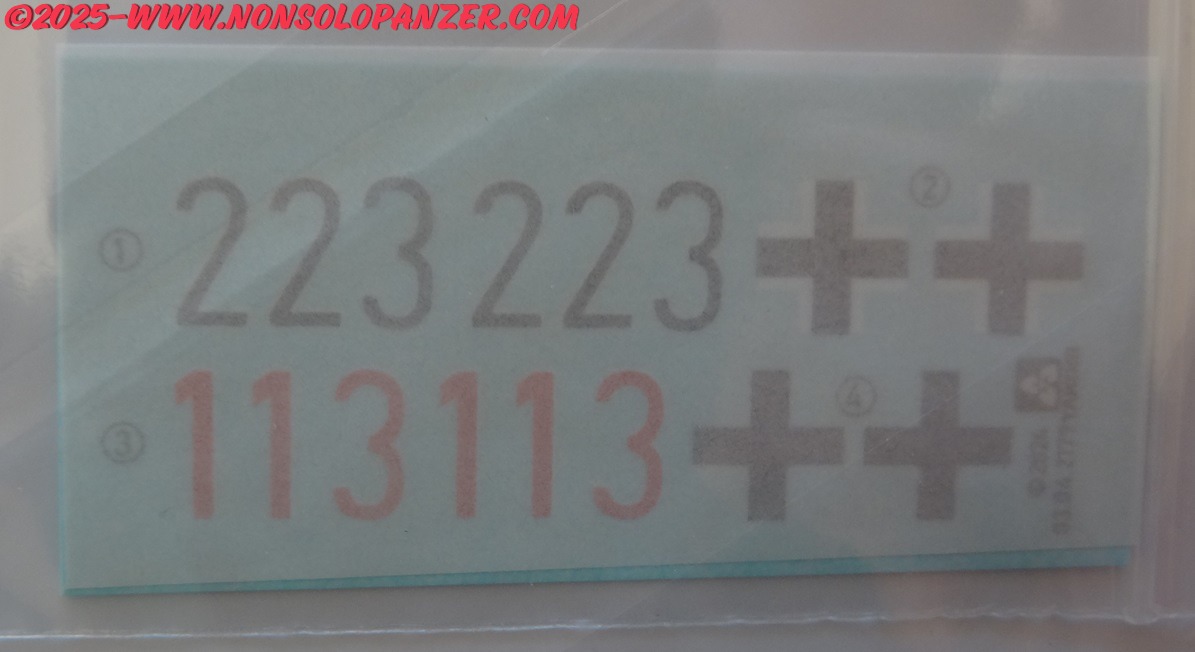
Parlando della scatola di montaggio in sé, non posso che lodare l’accuratezza dei dettagli e la buona qualità delle stampate. L’impressione generale è ottima ma, per i modellisti della vecchia scuola come me, le canne in metallo tornito e qualche fotoincisione sono sempre necessarie. A tale scopo, abbondano i set di dettaglio dedicati allo Jagdpanzer 38(t) le cui parti sono utilizzabili anche per questo soggetto essendo lo scafo sostanzialmente identico. Per le canne, sono ottime quelle di Schatton Modellbau a patto di trovarle.
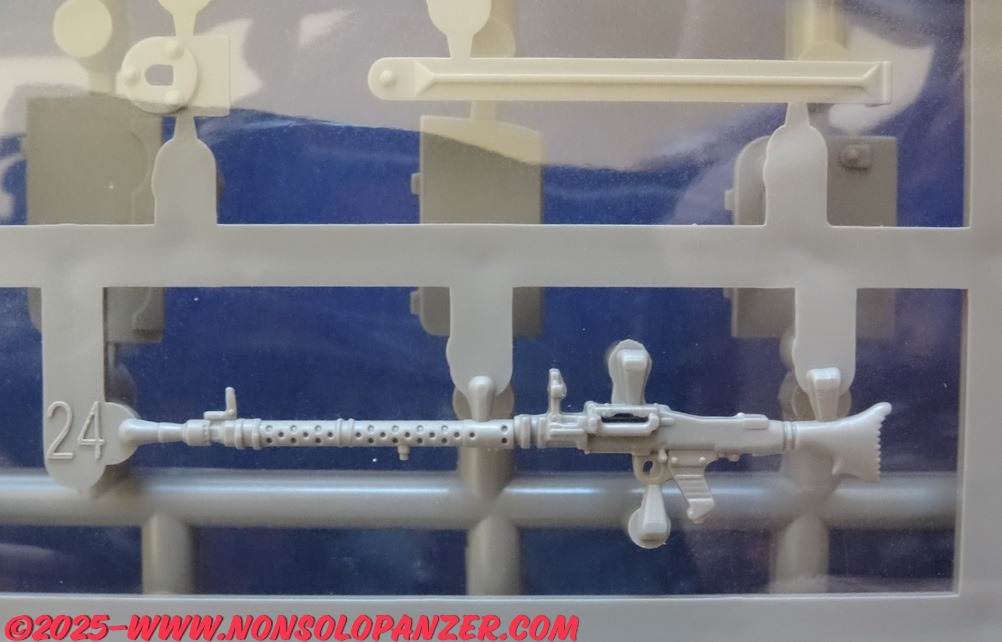

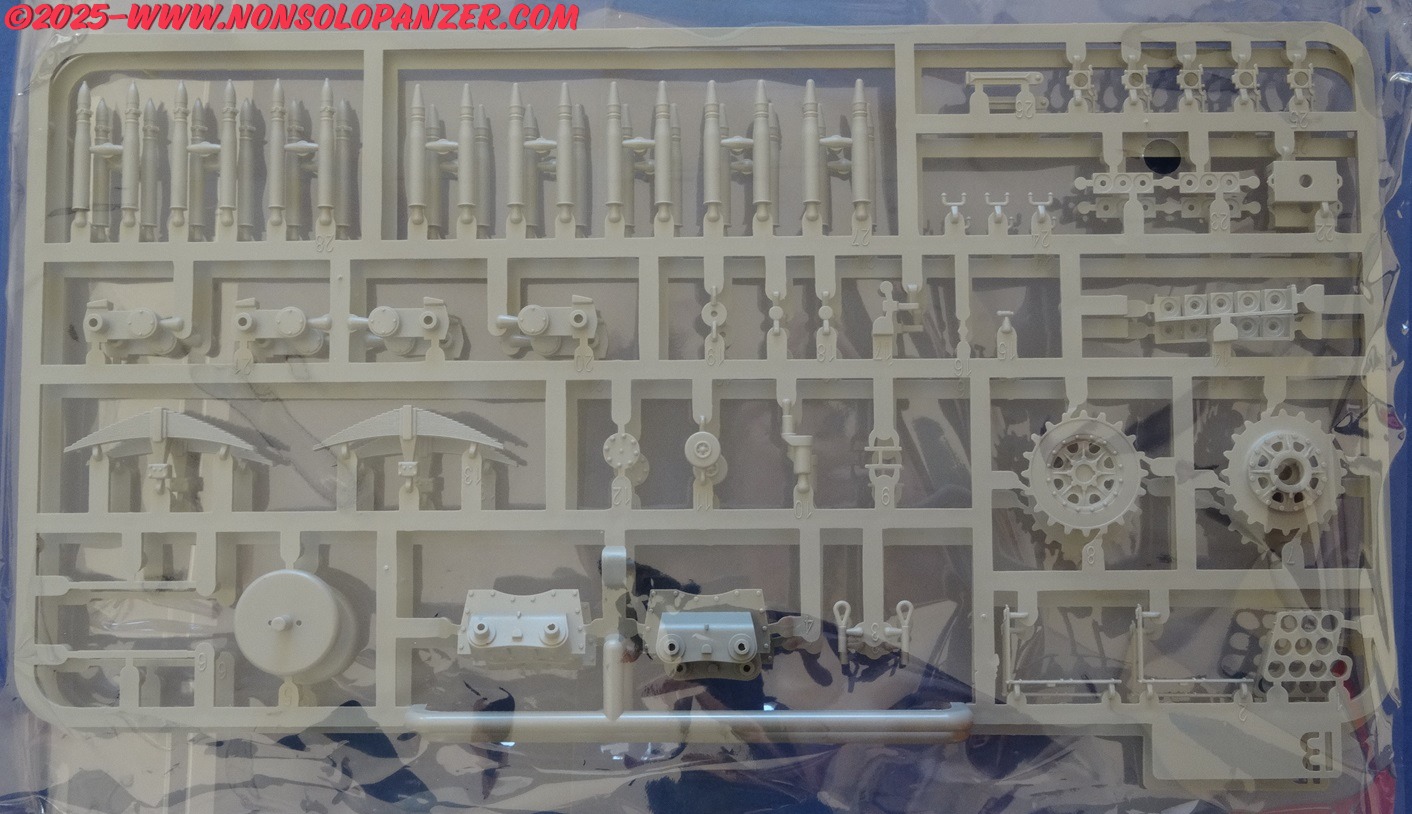
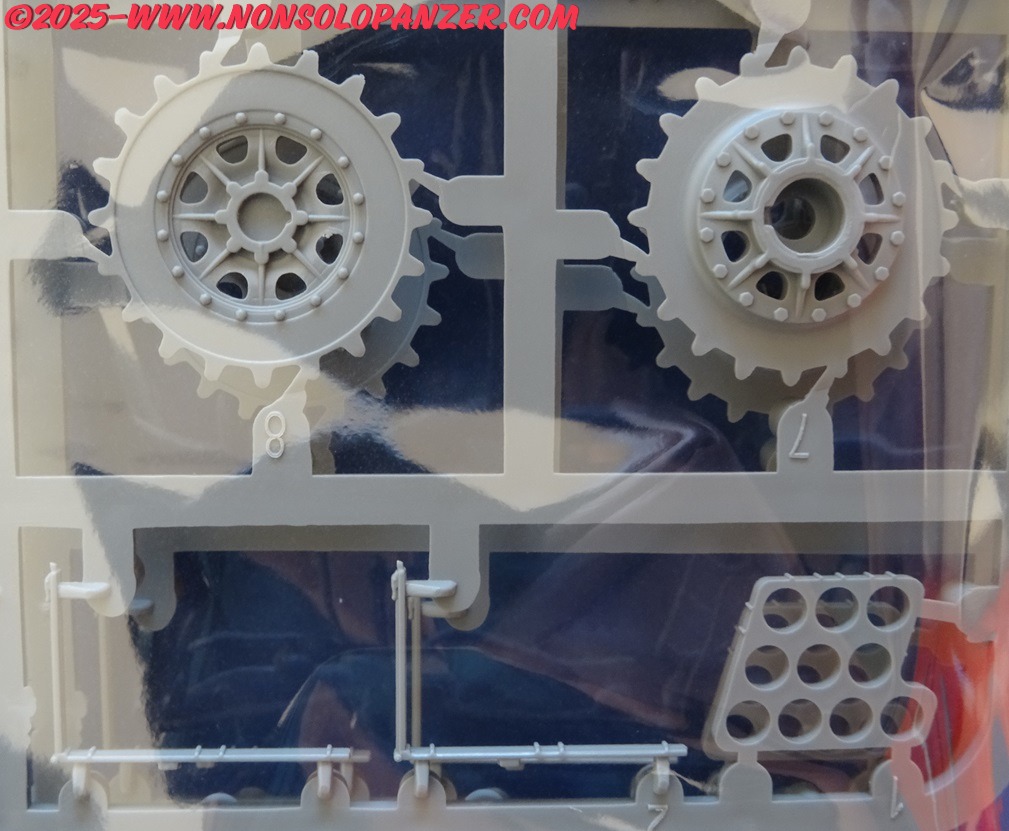

Concludendo, il modello del Flakpanzer 38(t) “Kugelblitz” mi piace molto, non so quando lo costruirò ma lo vedo già accompagnarsi con altri Paper Panzer che utilizzano lo scafo del Panzer 38(t) o D.
English Language
Anschluss is the strike by which Nazi Germany occupied a large part of Czechoslovakia in 1938. Without firing a shot, Hitler obtained loot of the highest strategic value, including the vehicles of the Czechoslovak army and the Skoda Tatra and CKD (Českomoravská-Kolben-Daněk, then renamed by the Germans B.M.M. – Böhmisch-Mährische Maschinenfabrik) industrial plants. Although there is a belief that the German army was a perfect war machine, the Wehrmacht was far from ready for the outbreak of World War II. The shortage of tanks was dramatic both in terms of quality and number. As proof of this, just think that the Panzer I was widely used on the front line, born for training and therefore armed with only two MG-34 machine guns. It is easy, therefore, to imagine the importance it had for the German war effort to be able to integrate the Czechoslovakian LT vz. 38 tanks into the Panzerwaffe and to continue the production of the same by local industries. The LT vz. 38 was, in fact, a well-armed and extraordinarily high-performance tank for the time thanks above all to the rolling train and leaf spring suspension. The Czechoslovakian tank then had a second life under the name of Panzer 38(t) (38 – year of production – (t) for Tschech/Czech) also participating in the invasion of Russia in 1941. Having become obsolete in the turret version, the excellent hull was adapted and improved to serve as a platform for various artillery pieces and, above all, as the basis for the Jagdpanzer 38(t) which, from 1944 represented a good compromise between mass production and an effective tank destroyer.
That said, on 4 September 1944, B.M.M. presented to Wa.Preuf 6 the project to install the “Kugelblitz” turret on the hull of the suitably modified Panzer 38(t). The idea was accepted, but Skoda and B.M.M. could not divert resources from the production of the Jagdpanzer 38(t). In addition, the chassis of the Panzer 38(t) had now reached its limits, so it was decided to start production in the Reich of a new type of hull which, more modern and versatile, took the name of Panzer 38D (“D” for Deutsch/German). Slightly larger than its predecessor, the Panzer 38D was first of all designed as a Waffentrager, a term that indicated a tracked platform for armaments of various kinds, including artillery, anti-aircraft and anti-tank guns. In 1944-45, the German war industry, finally aware of the importance of standardization and mass production, identified the Panzer 38D as the multi-role vehicle with which to effectively mechanize the entire army, including infantry divisions. Although it never went into production, the Panzer 38D was hypothesized in infinite versions, including the one with a “Kugelblitz” turret.
The “Kugelblitz” (ball lightning) was a spherical turret designed to house two 3cm belt-fed MK-103 autocannons. The 3cm MK-103 was a weapon developed by Rheinmetall-Borsig for aircraft boarding. The Luftwaffe preferred the massive use of the lighter 3cm MK-108, so the versatile and powerful 3cm MK-103 became available to the Wehrmacht who appreciated its anti-aircraft and support capabilities. The gun was mounted on various carriages. The most significant production was the 3cm Flak-103/38 which used the carriage of the 2cm Flak-38 while only a few prototypes (probably only one) of 3cm Flakvierling-103/38 (quadrupled version similar to the 2cm Flakvierling-38) were built. The most interesting use of the 3cm MK-103 is certainly the one as armament for the “Kugelblitz” turret. Originally designed to equip the new generation U-boats, the “Kugelblitz” was also hypothesized for the Flakpanzers, tanks with anti-aircraft armaments designed to guarantee protection to ground troops against attacks by Jabo, the allied fighter-bombers. Although no reliable information on operational use is available to date, some Flakpanzer_IV “Kugelblitz” were actually built. Instead, the Flakpanzer 38D “Kugelblitz” remained a simple project.
Takom has recently marketed the 1/35 kit of the Flakpanzer 38(t) “Kugelblitz”. The vehicle combines the “Kugelblitz” turret with the hull of the Jagdpanzer 38(t) of which Takom has made a wide range of models. Takom, therefore, took the molds of his Jagdpanzer 38(t) and, with minor modifications, added the “Kugelblitz”. As a fan of German projects, I readily purchased this kit but it is fair to mention that, Panzer Tracts No.20-2 “Paper Panzers: Aufklaerungs, Beobachtungs & Flakpanzer” in hand, the Flakpanzer 38(t) “Kugelblitz” was a B.M.M. project rejected by Wa.Preuf 6. It was, in fact, the hull of the Panzer 38D that was chosen to receive the “Kugelblitz”, not that of the Panzer 38(t). The reasons are well understandable: in addition to the purely technical improvements (engine, transmission, etc.) the hull of the Panzer 38D was longer and wider, therefore, it was a more stable and performing platform than that of the Panzer 38(t). The Flakpanzer 38(t) “Kugelblitz” is, therefore, a vehicle that would never have seen the light of day even if the Second World War had continued for a few years. I do not consider all this a tragedy. The subject is, however, very captivating so I am very happy to have the model available.
Speaking of the assembly box itself, I can only praise the accuracy of the details and the good quality of the prints. The overall impression is great but, for old-school modelers like me, turned metal barrels and some photo-etching are always necessary. There are plenty of detail sets dedicated to Jagdpanzer 38(t) whose parts can also be used for this subject as the hull is substantially identical. For the barrels, those from Schatton Modellbau are excellent as long as you find them.
In conclusion, I really like the Flakpanzer 38(t) “Kugelblitz” model, I don’t know when I’ll build it but I already see it accompanied by other Paper Panzers that use the Panzer 38(t) or D hull.
 NonSoloPanzer