
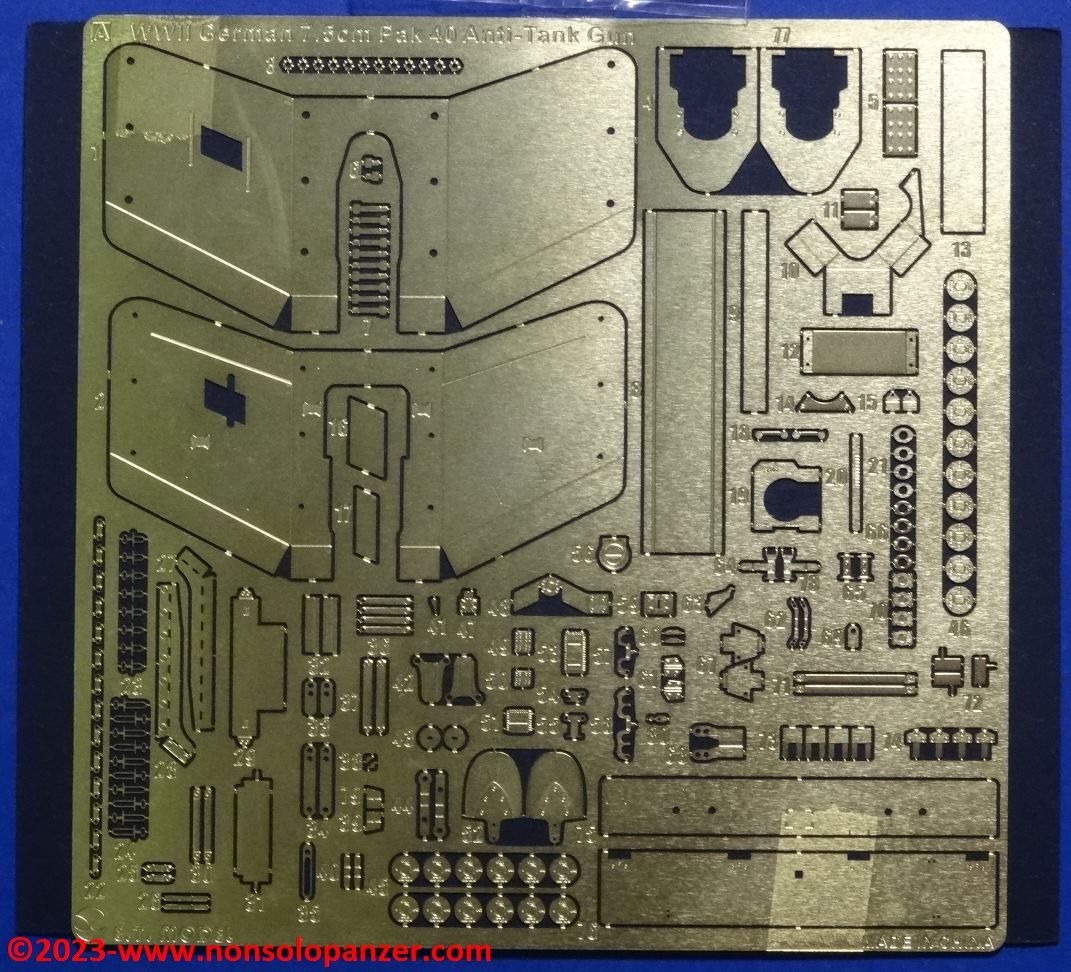
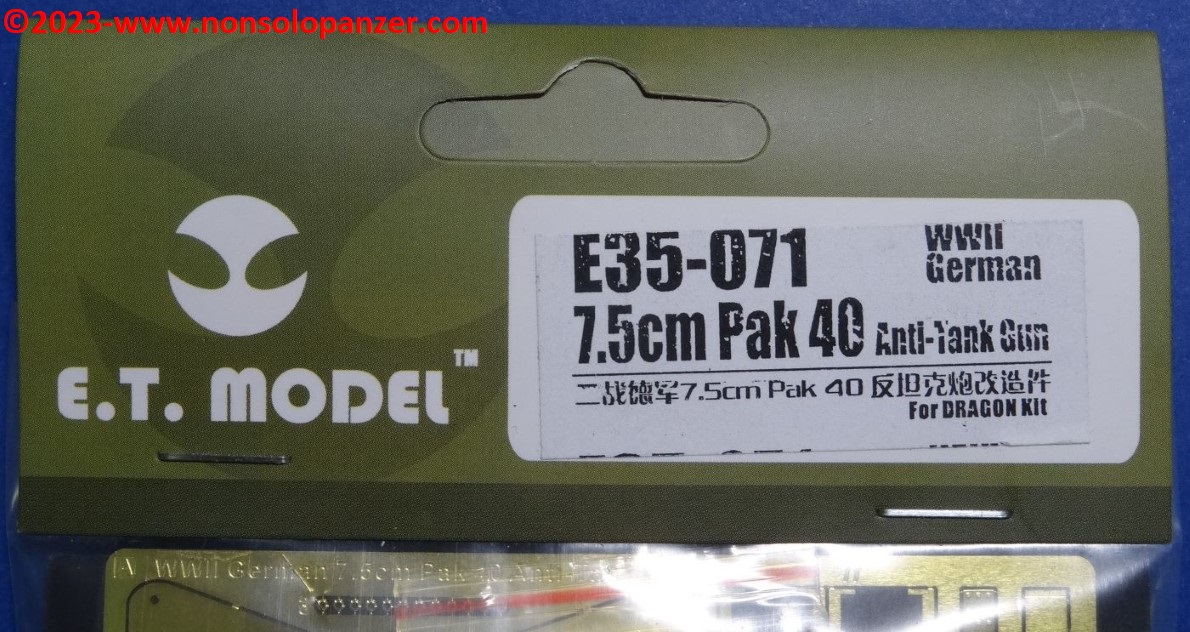
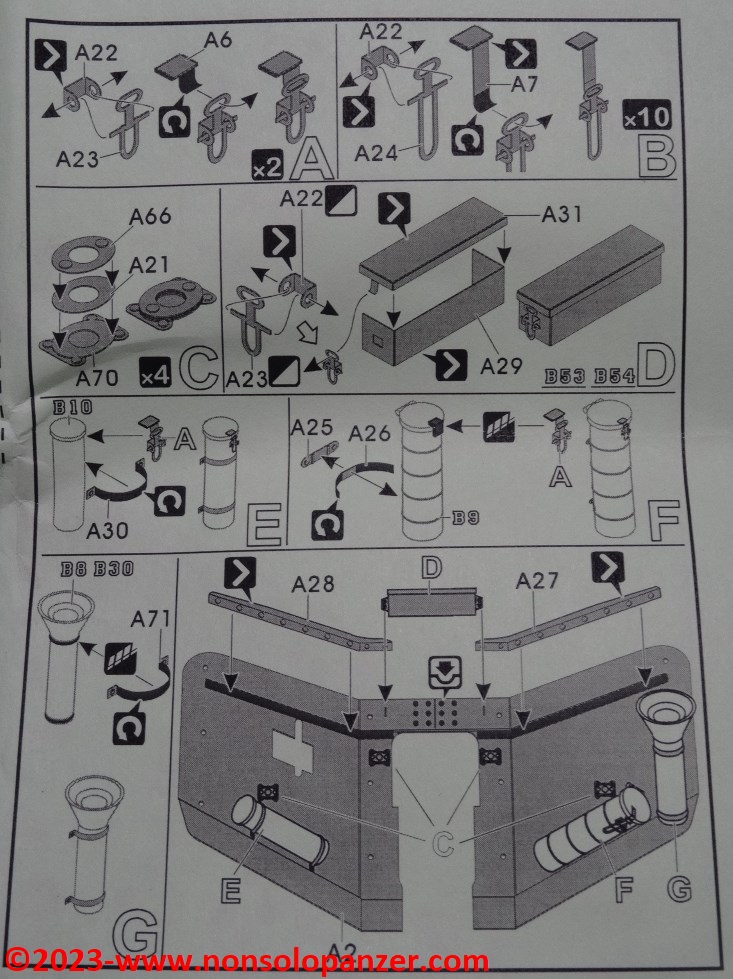
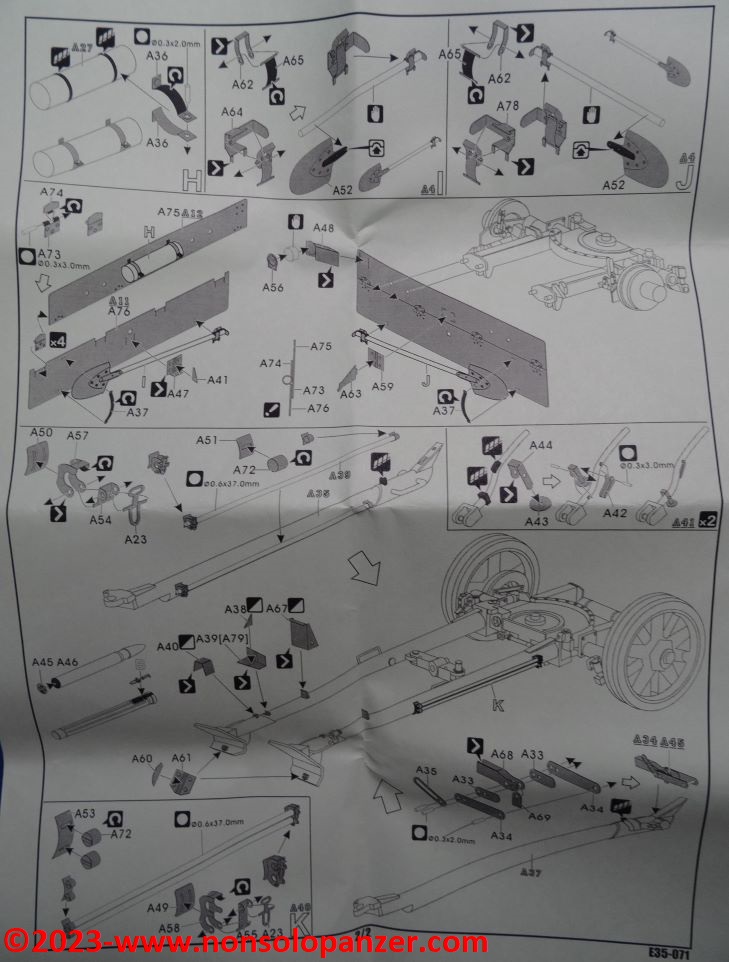
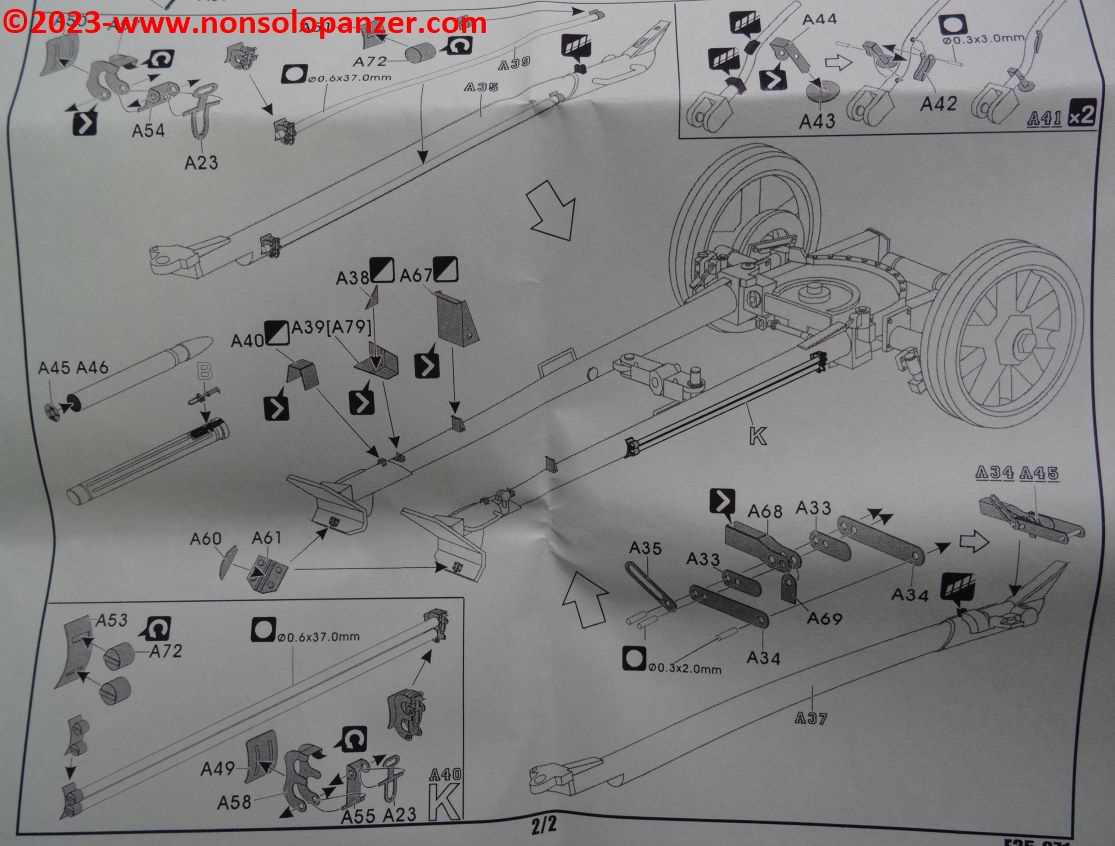
Come anticipato nel precedente articolo dedicato al kit in scala 1/35 del 7.5cm Pak-40 commercializzato da Dragon Ltd., è proprio questo efficace cannone anticarro tedesco della Seconda Guerra Mondiale ad essere oggetto del mio attuale impegno modellistico. In verità, ho a malapena aperto la scatola di montaggio ed assemblato i primi pezzi ma ciò non mi ha impedito di procurarmi il set di dettaglio German 7.5cm Pak-40 Military Vehicle Upgrade Series di E.T Model (codice E35-071).
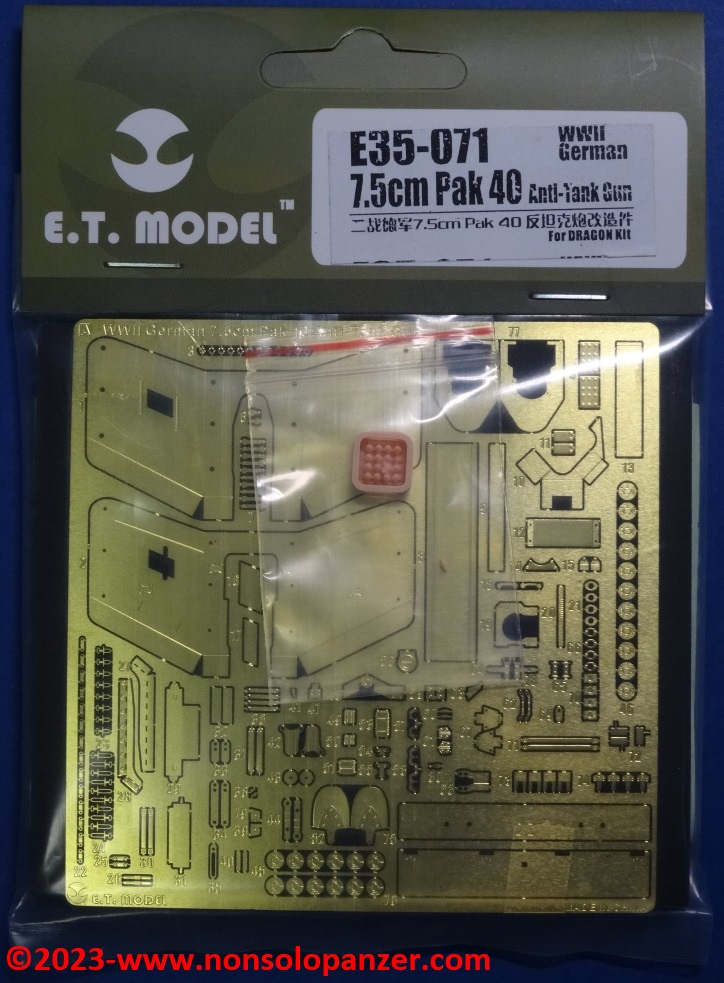
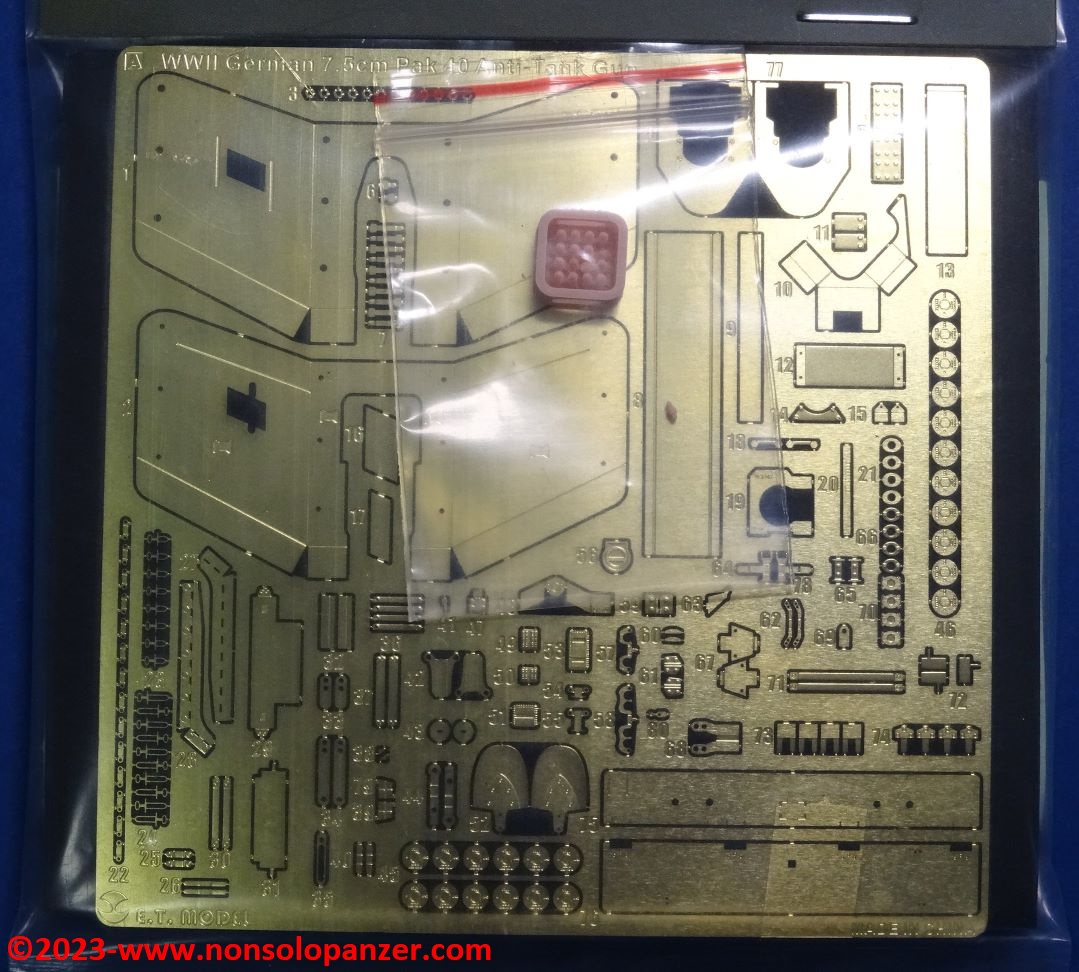
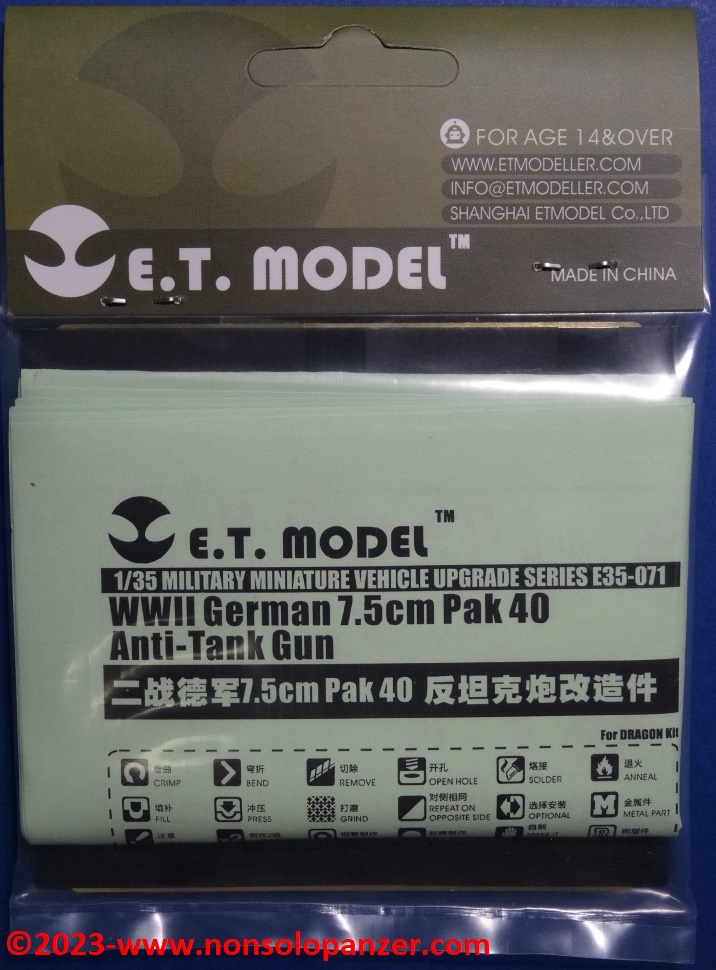
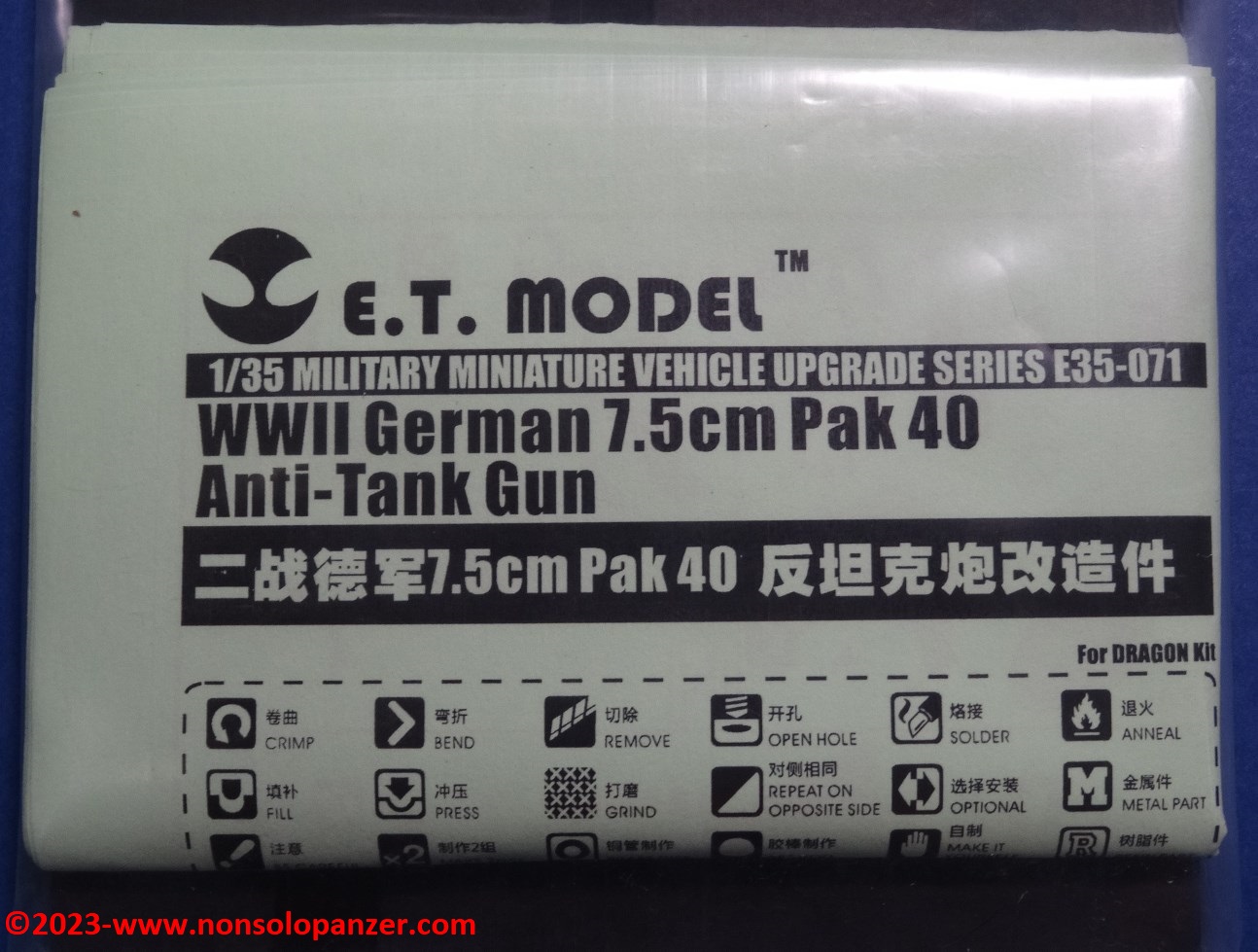
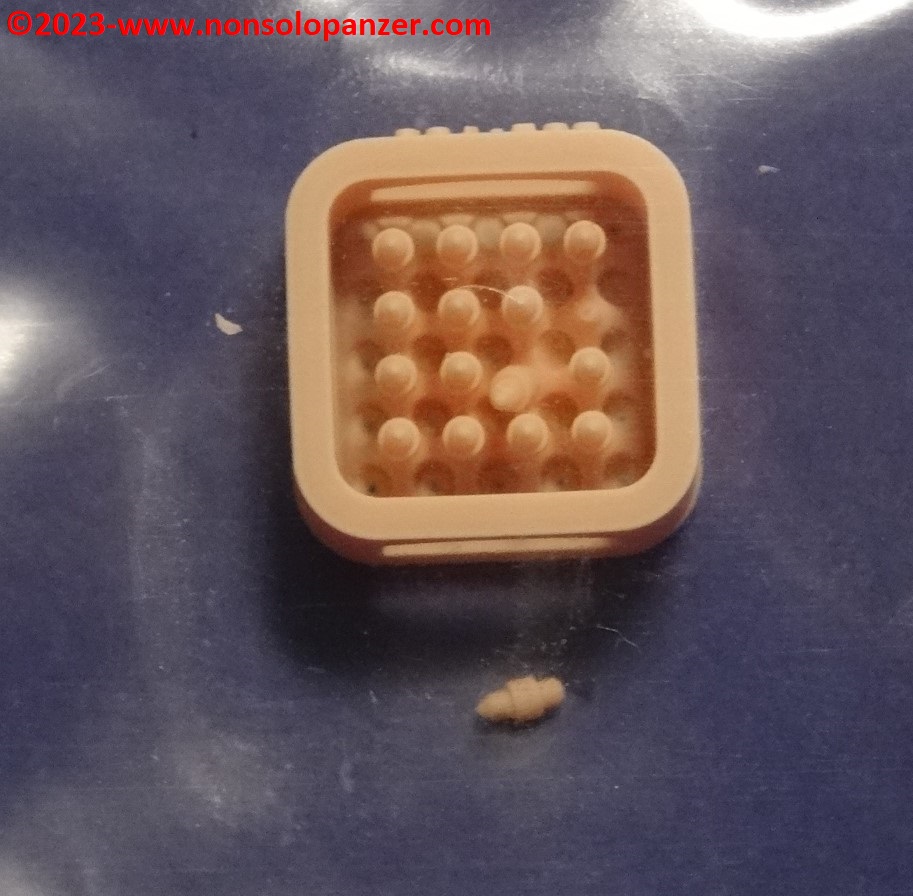
La storia dietro all’acquisto di questo set di fotoincisioni deriva dal ripetersi implacabile degli stessi meccanismi perversi. Come sempre, inizio un nuovo progetto modellistico con l’intenzione di non complicarmi troppo la vita. Approcciarmi con serenità al lavoro che mi aspetta grazie ai vantaggi offerti da un kit moderno e di qualità è il mio mantra. Godermi il bello del montaggio e della pittura limitandomi a quanto offerto dalla scatola di montaggio è la mia regola monastica. Poi, però, comincio a guardare cosa offre il mercato e non resisto alla tentazione di ottenere quel realismo che solo fotoincisioni e resine possono offrire. È così che ho finito per acquistare il set in oggetto che contiene un foglio di ottone con circa settanta fotoincisioni e una stampata in resina con i 12 punzoni che tengono insieme lo scudo del cannone.

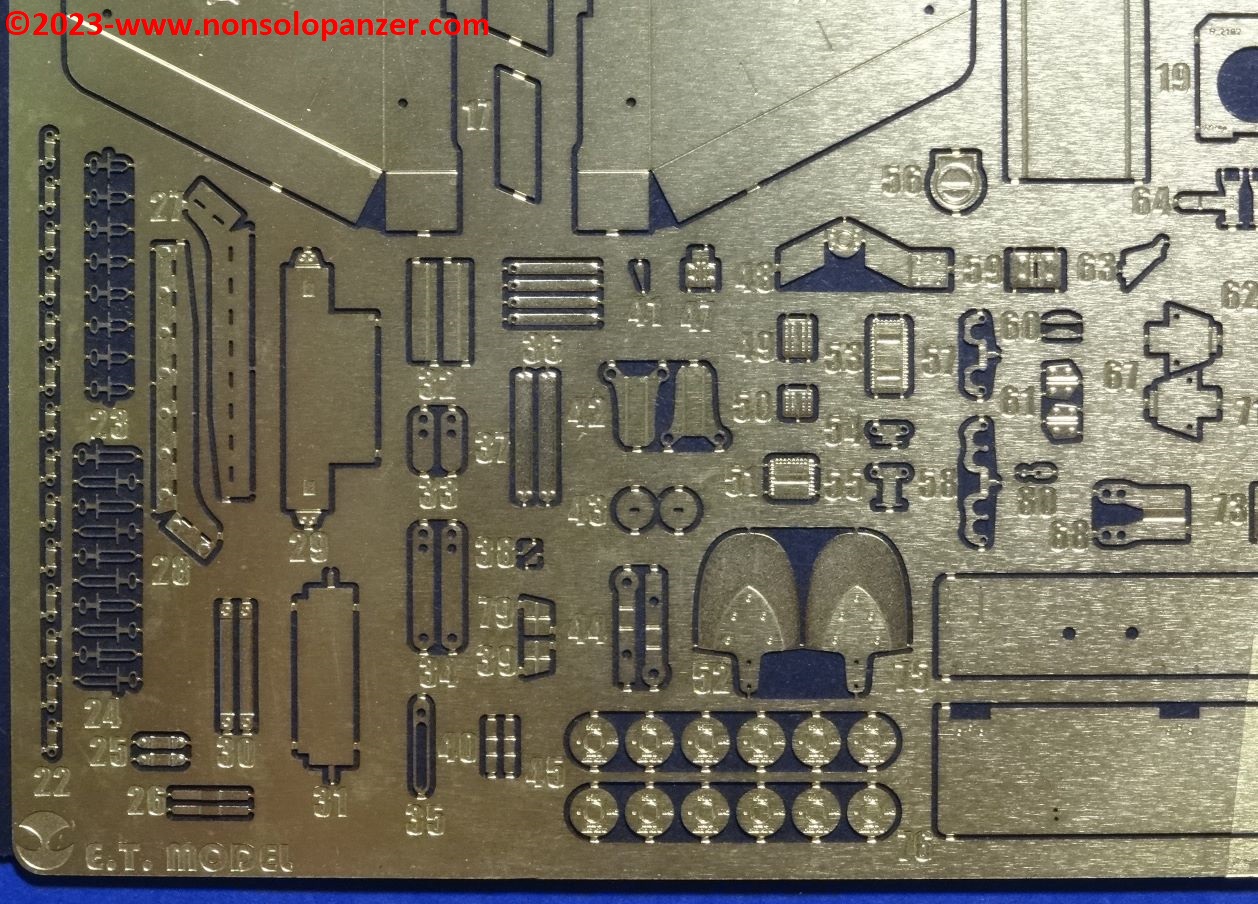
Val la pena ribadire che il kit Dragon in oggetto è di ottima qualità e già include la canna in metallo tornito ed alcune fotoincisioni. Non c’è un’oggettiva necessità di complicare il montaggio con dettagli aggiuntivi. Ciononostante, il set di E.T. Model è assai apprezzabile dai perfezionisti come me. Tutto quanto, ad esempio, permette di dettagliare le parti in plastica è certamente ideale. Al contrario, le fotoincisioni che sostituiscono i corrispettivi in plastica potrebbero risultare inutili sia per la qualità dei pezzi già offerti dal kit Dragon sia per la complessità di montaggio.
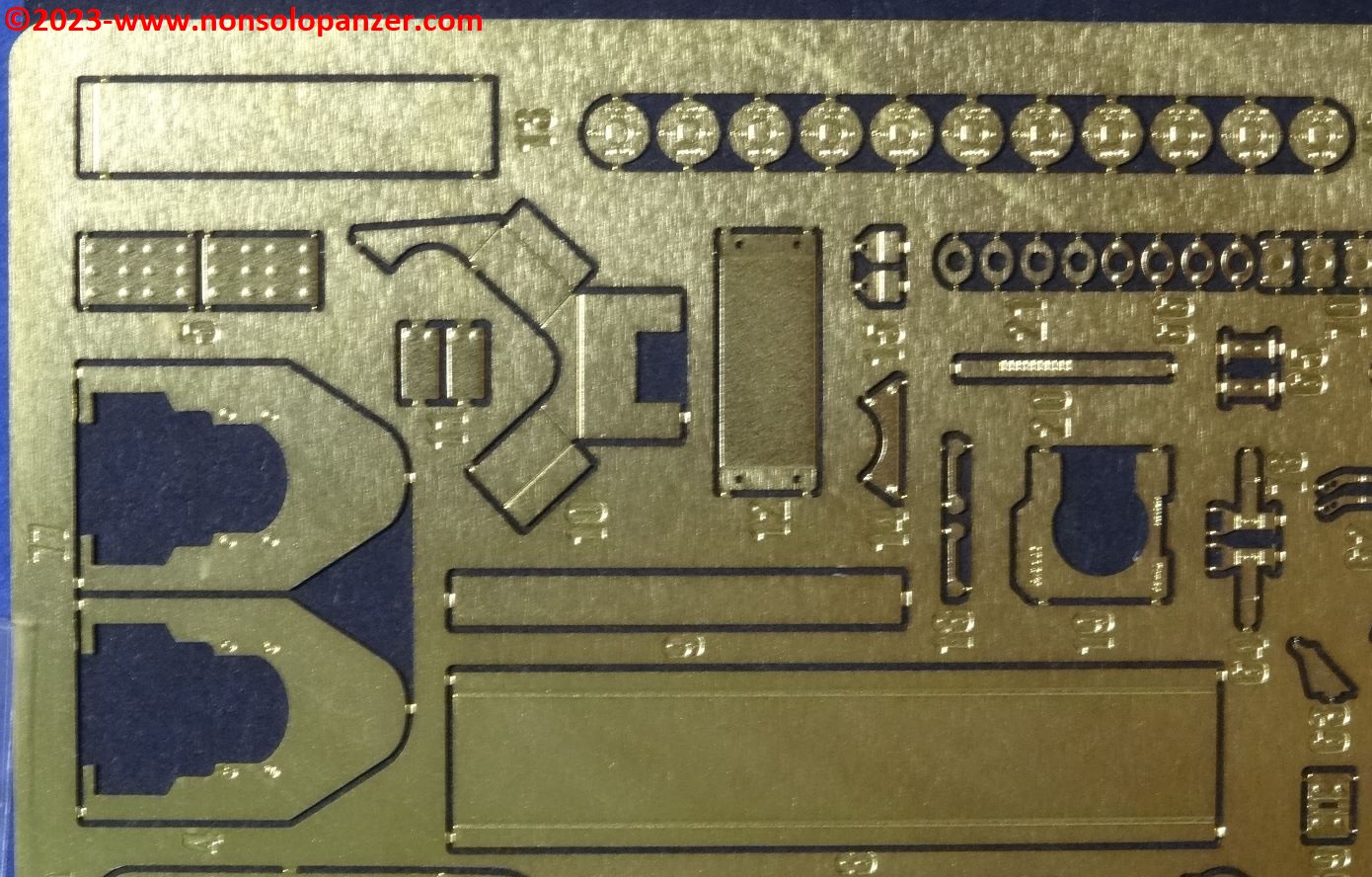
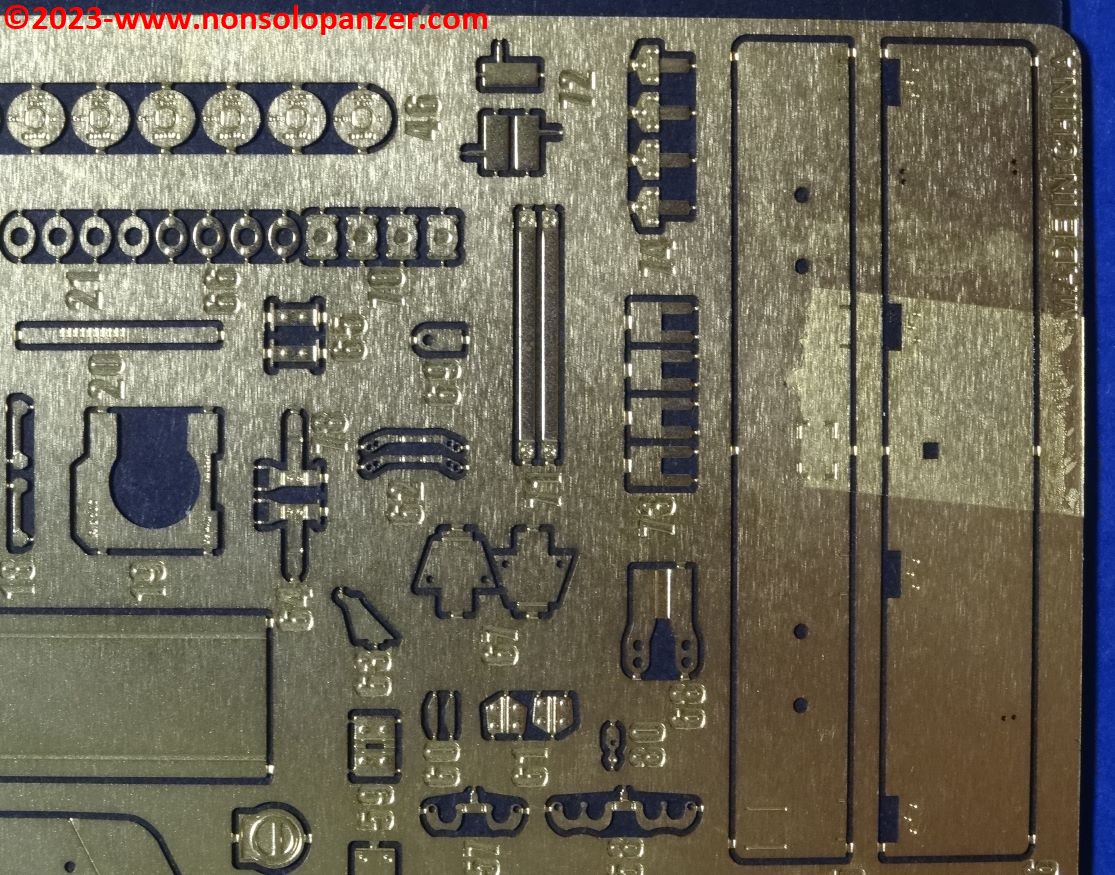
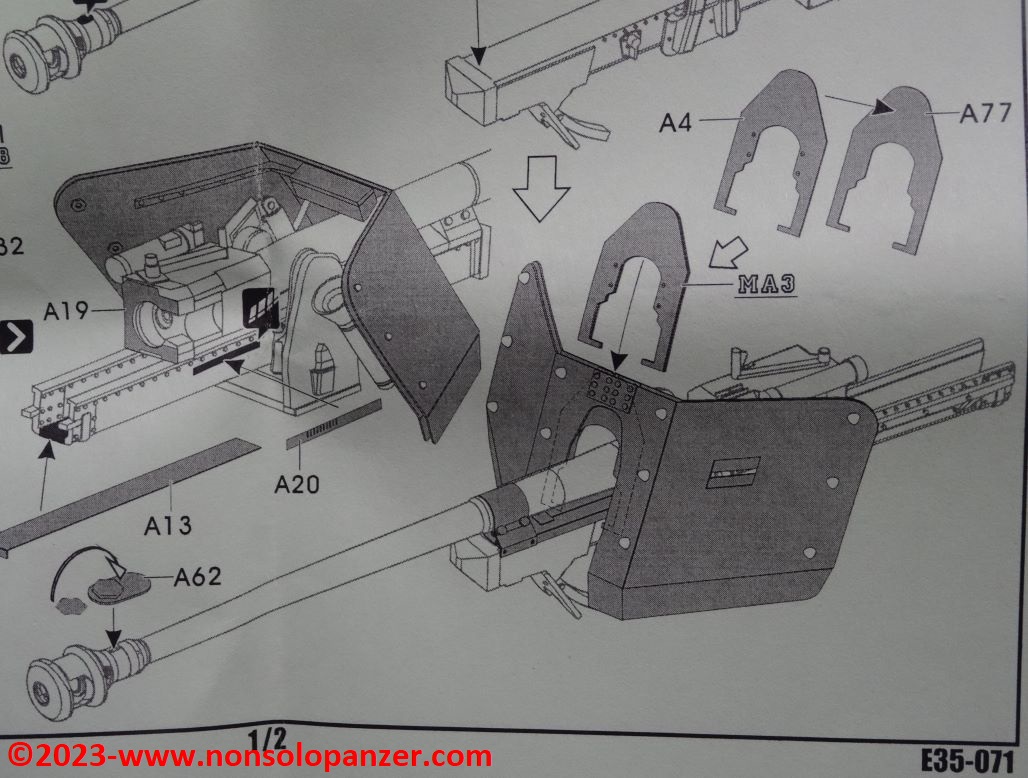
Mi riferisco in particolar modo allo scudo del cannone. Si tratta di un elemento non facile da piegare correttamente e che, in fotoincisione, rischia di essere troppo sottile rispetto allo spessore che dovrebbe avere in scala 1/35. Ciononostante, realizzare in ottone la scudatura ha certamente un fascino irresistibile e sono curioso, disegni tecnici alla mano, di scoprire se il corrispettivo in plastica del kit ha dimensioni e inclinazioni corrette.
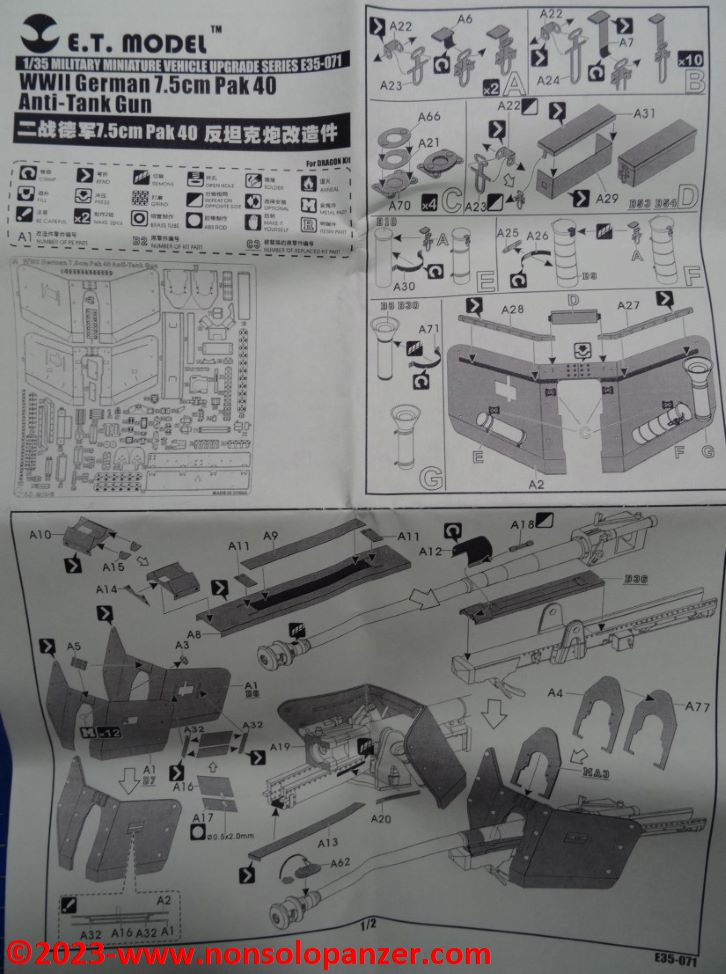

Personalmente non so ancora se mi cimenterò nella sostituzione dello scudo in plastica con quello in fotoincisione. Temo sia un’impresa molto difficile e dai risultati incerti. In ogni caso sfrutterò al massimo il set di dettaglio E.T Model allo scopo di realizzare al meglio il mio 7.5cm Pak-40!
English Language
As anticipated in the previous article dedicated to Dragon Ltd.‘s 1/35 scale kit of the 7.5cm Pak-40, this successful World War II German anti-tank gun is the object of my current modelling efforts. In truth, I just barely opened the assembly box and assembled the first pieces but that did not stop me from purchasing the German 7.5cm Pak-40 Military Vehicle Upgrade Series detail set from E.T Model (part number E35-071).
The story behind the purchase of this detail set stems from the relentless repetition of the same perverse mechanisms. As always, I start a new modelling project with the intention of not complicating my life too much. Approaching the work with serenity thanks to the advantages of a modern, high-quality kit is my mantra. Enjoying the beauty of assembly and painting by limiting myself to what the kit offers is my monastic rule. But then I start looking at what the market offers and cannot resist the temptation to achieve the realism that only photoetched and resin can offer. That is how I finished up by buying the set in question, which contains a brass sheet with about seventy photoengravings and a resin mould with the 12 punches that hold the cannon shield together.
It is important to point out that the Dragon kit in question is of excellent quality and already includes the turned metal barrel and some photoengravings. There is no objective need to complicate the assembly with additional details. Nevertheless, the E.T. Model set can be highly appreciated by perfectionists like me. Everything, for example, that allows for the detailing of plastic parts is certainly ideal. On the contrary, the photoengravings that replace the plastic counterparts may be unnecessary both because of the quality of the parts already offered by the Dragon kit and the complexity of assembly.
I am referring in particular to the cannon shield. This is an element that is not easy to bend correctly and, in photoengraving, risks being too thin compared to the thickness it should be in 1/35 scale. Nevertheless, making the shield in brass certainly has an irresistible appeal and I am curious, technical drawings in hand, to find out whether the plastic counterpart in the kit has the correct dimensions and angles.
Personally, I do not yet know whether I will attempt to replace the plastic shield with the photoengraved one. I fear it will be a very difficult undertaking with uncertain results. In any case, I will take full advantage of the E.T Model detail set in order to make the best of my 7.5cm Pak-40!
 NonSoloPanzer
Hola, para que modelo, marca sirve..???
gracias herna.
"Mi piace"Piace a 1 persona
Hola Claudio, the E.T. Model’s set is intended for Dragon’s Pak-40 Kit. 👍
"Mi piace""Mi piace"