Il cannone da 7.5 cm KwK 37 L/24 (KwK sta per Kampfwagenkanone) fu uno dei pezzi d’artiglieria più usati dall’esercito tedesco nel corso della Seconda Guerra Mondiale. Sviluppato da Krupp nel 1934, questo cannone a canna corta era progettato per il supporto ravvicinato della fanteria. Grazie a proiettili a bassa velocità e ad alto contenuto esplosivo, l’arma offriva un aiuto essenziale ai fanti essendo particolarmente efficace contro fortificazioni e nidi di mitragliatrici.



Per tali motivi, il 7.5 cm KwK 37 L/24 equipaggiò le prime versioni del Panzer IV e dello StuG III che, nelle fasi iniziali del conflitto, erano stati progettati proprio per dare supporto alla fanteria. Tuttavia, con l’evolversi della guerra e l’incontro con carri armati nemici sempre più potenti, essi furono costretti ad una evoluzione che determinò l’abbandono del loro ruolo originario per essere equipaggiati con cannoni anticarro. Di conseguenza, il 7.5 cm KwK 37 L/24 fu montato su altre tipologie di veicoli allo scopo di non far mancare ai fanti l’aiuto essenziale di questo cannone. Tentando la massima standardizzazione possibile, il 7.5 cm KwK 37 L/24 equipaggiò dai semicingolati alle autoblinde (cito a titolo di esempio: Sd.Kfz. 251/9, Sd.Kfz. 250/8 e Sd.Kfz. 234/3) senza dimenticare il Panzer III Ausf. N, ultima versione di un carro armato che, ormai obsoleto nel 1943, proprio grazie 7.5 cm KwK 37 L/24 ebbe un ultimo riscatto proteggendo i Tiger I dalla fanteria nemica sulle alture della Tunisia e nella pianura di Kursk.

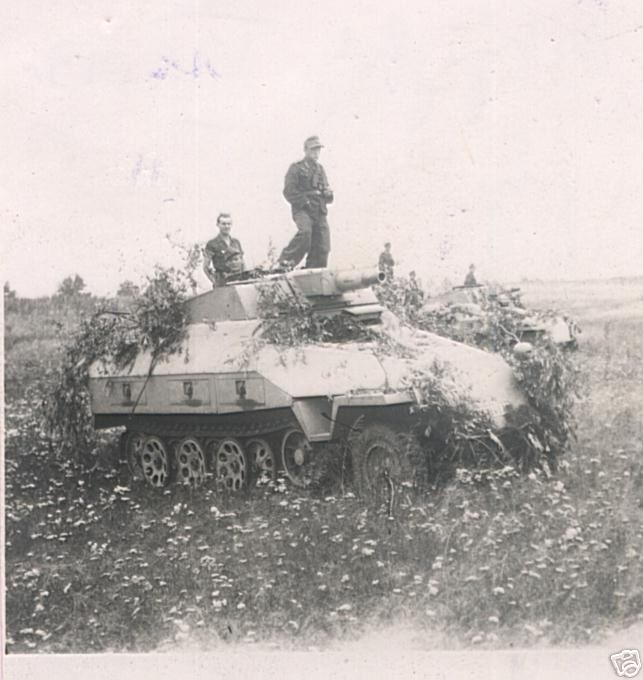


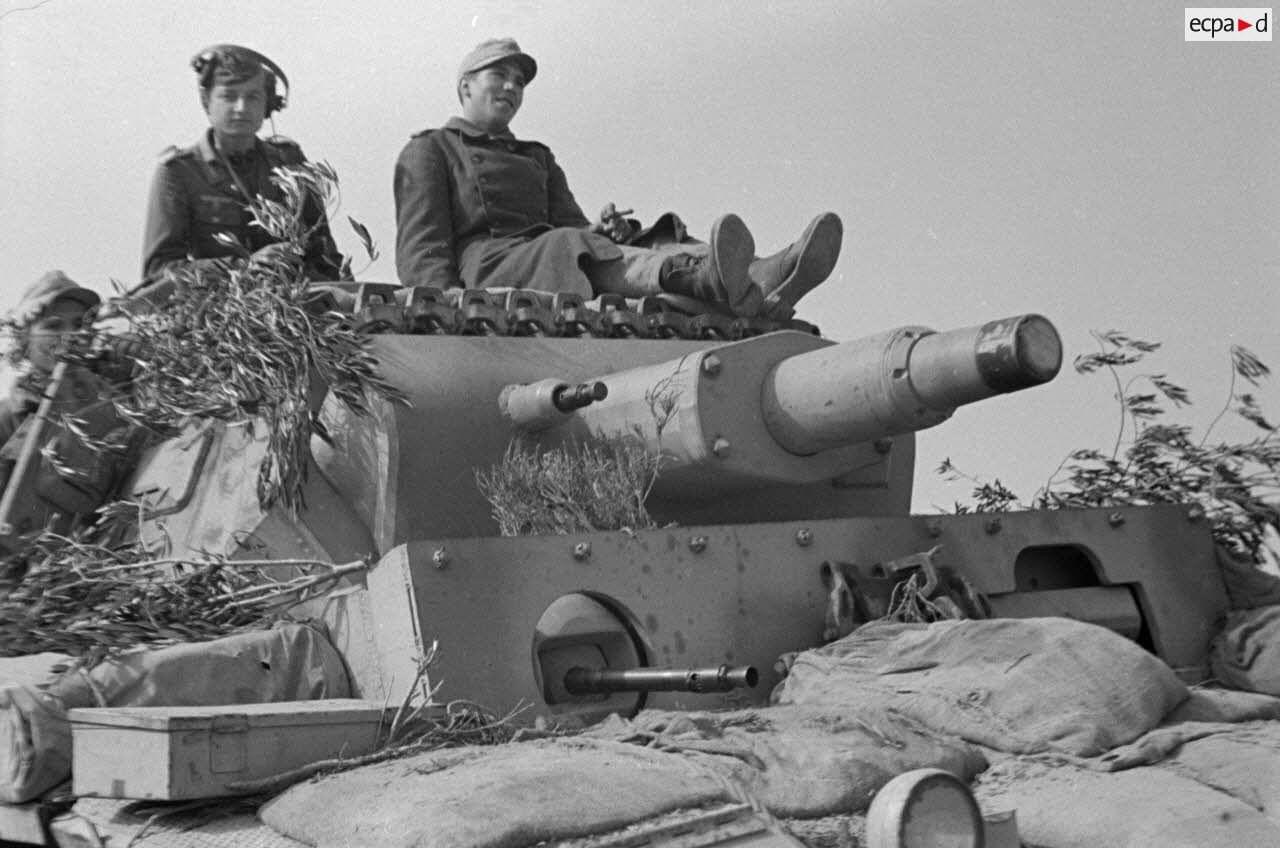
Concludo questa breve panoramica ricordando che, come vari fatti d’arme dimostrarono durante l’Operazione Barbarossa, il 7.5 cm KwK 37 L/24 era dotato un proiettile a carica cava che, nonostante regole d’ingaggio rischiosissime, era sorprendentemente efficace anche contro i T-34 sovietici. Infine, per capire meglio le caratteristiche dell’affusto utilizzato sugli Sd.Kfz. 251/9 (di prima produzione) potete fare riferimento a questo mio precedente articolo: 7.5 cm L24 KwK-37 für Sdkfz. 251/9 – Overloon War Museum
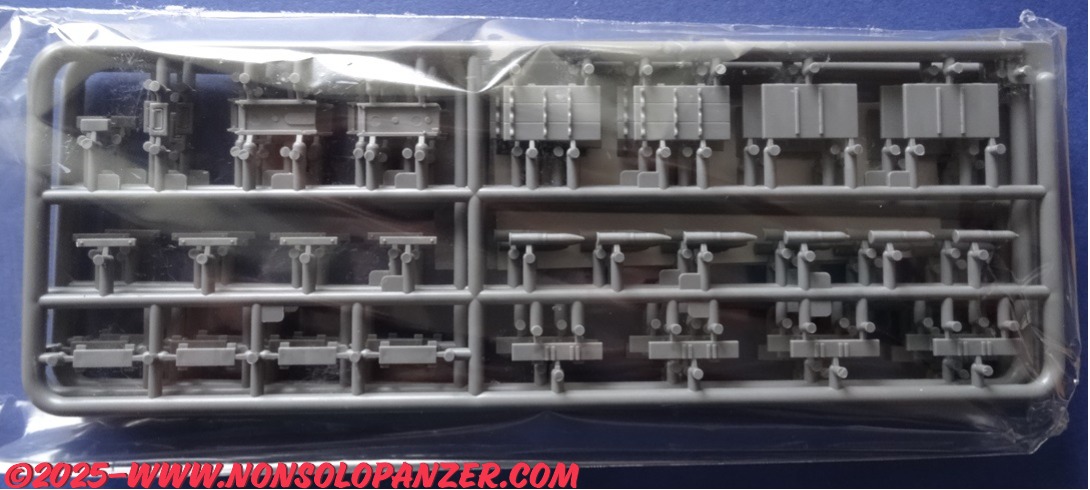
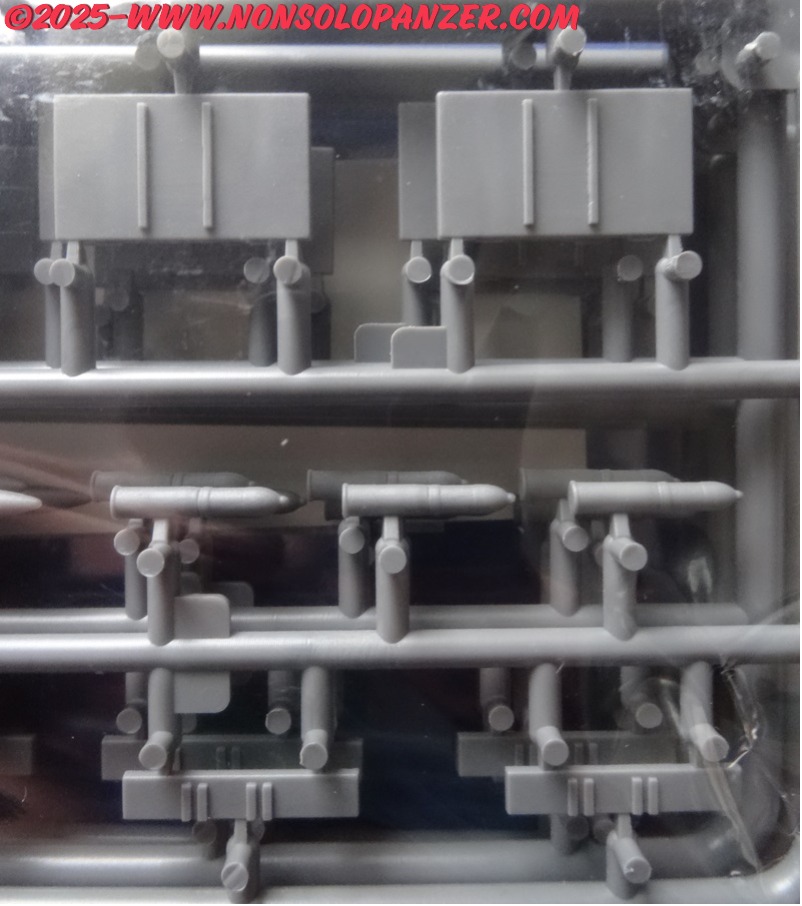
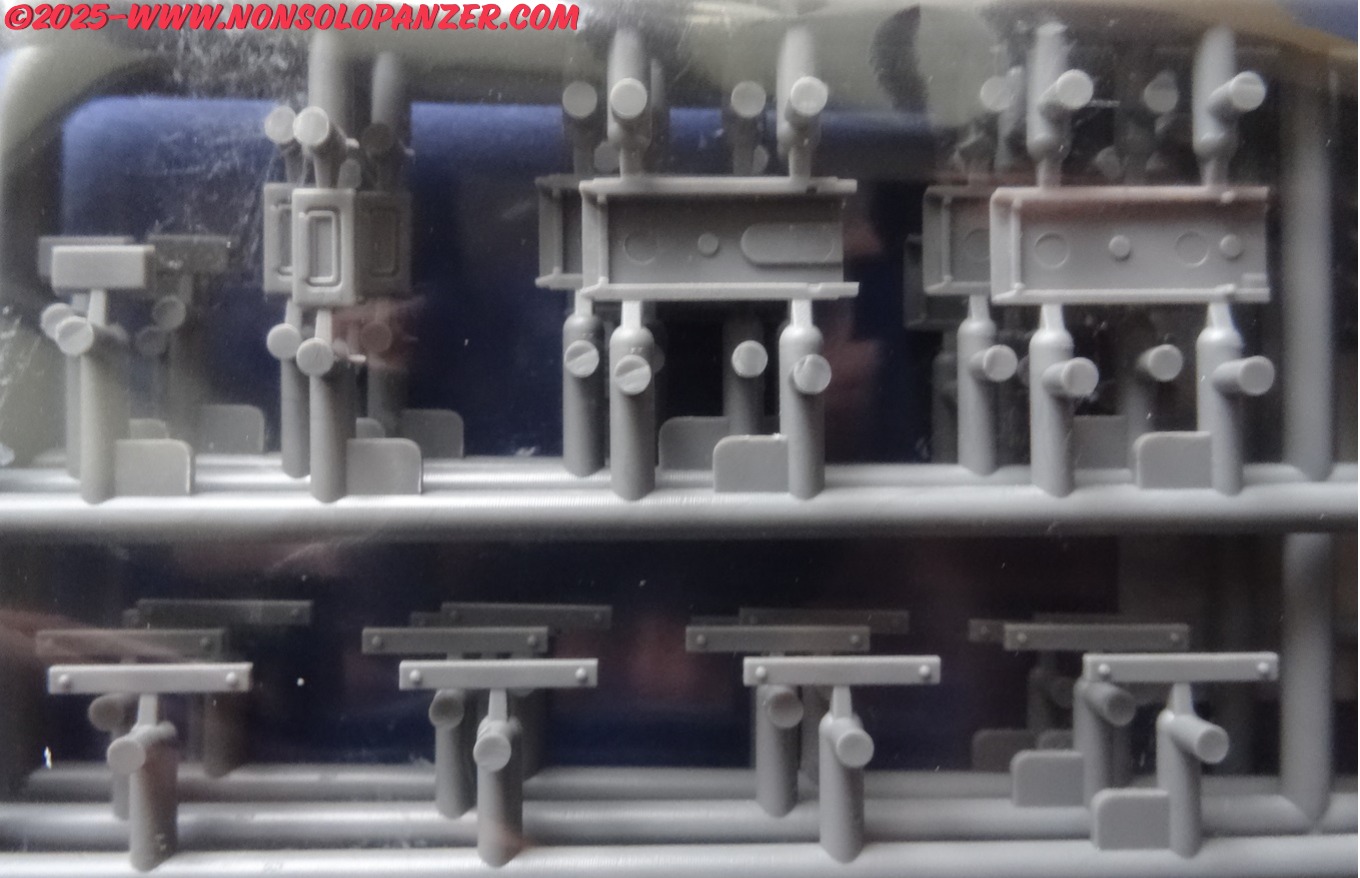
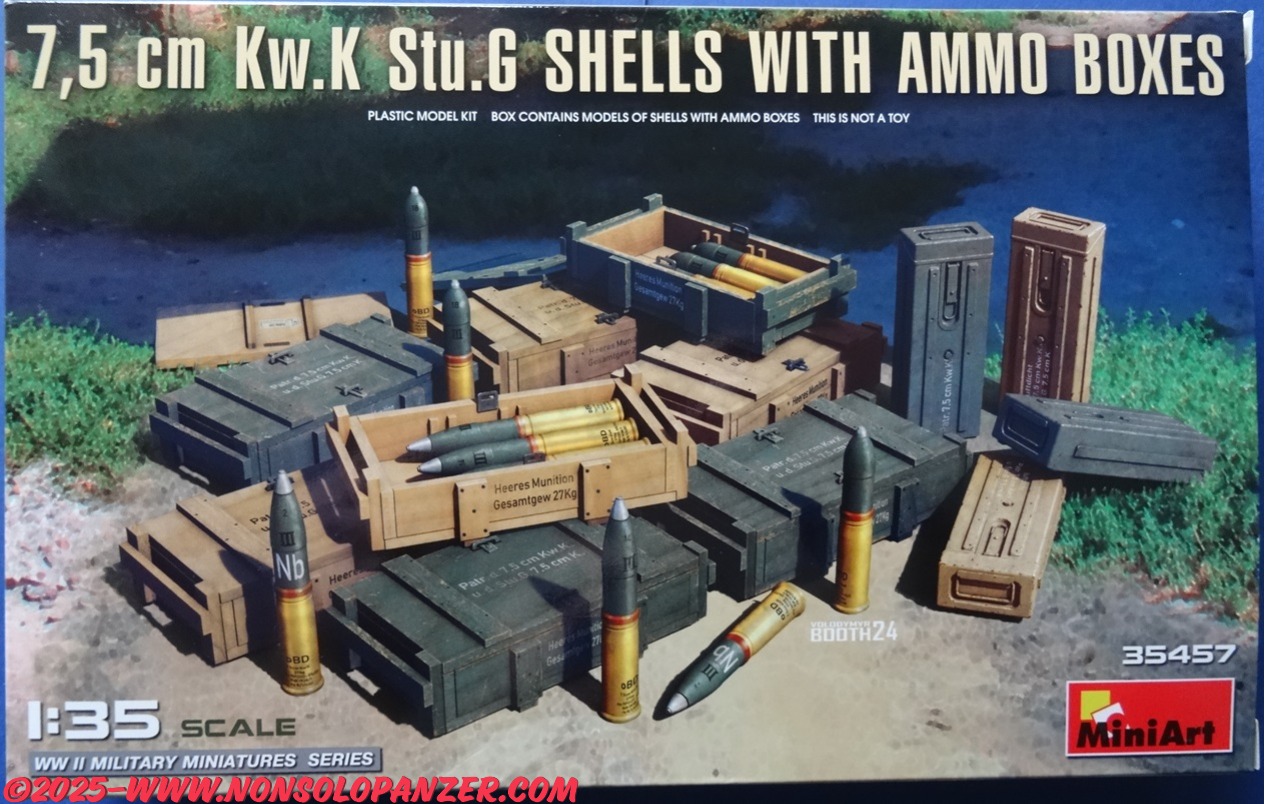
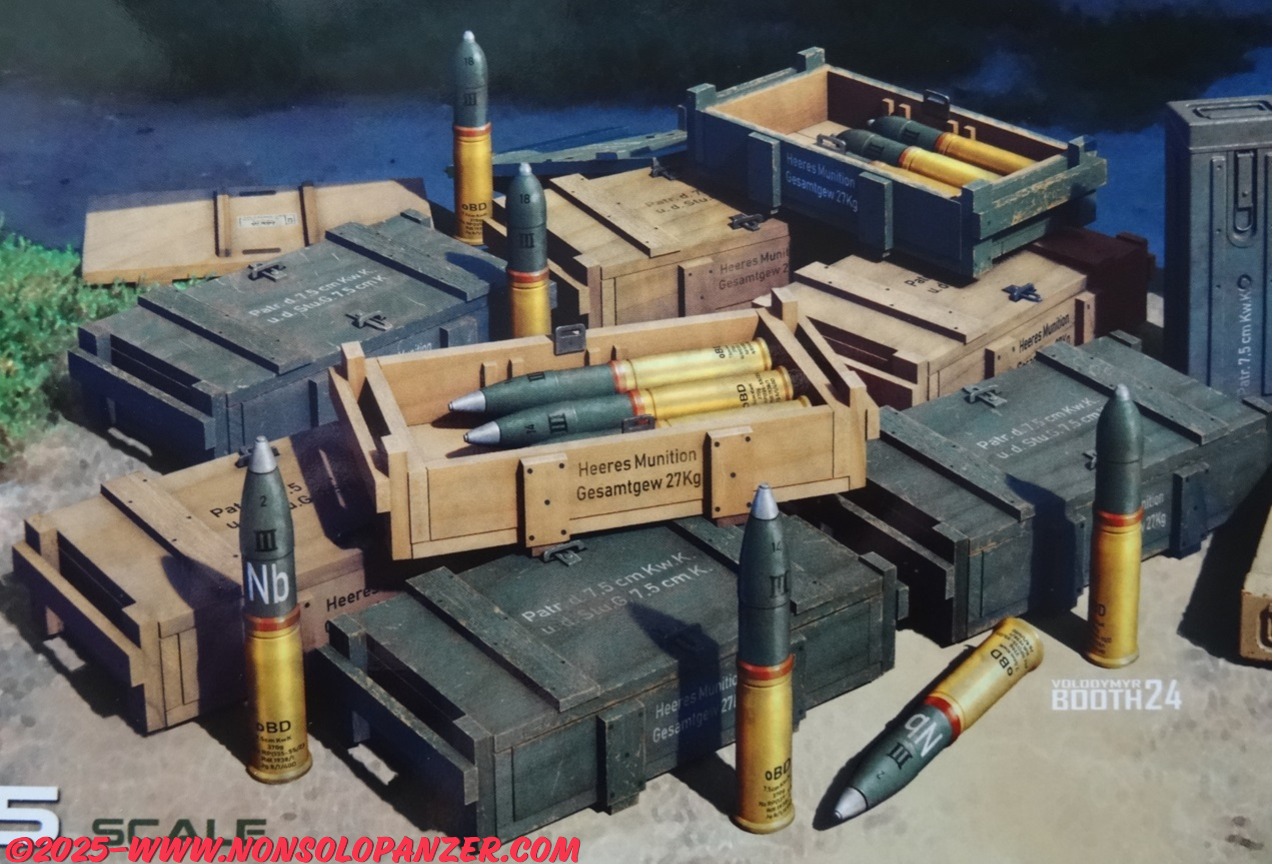
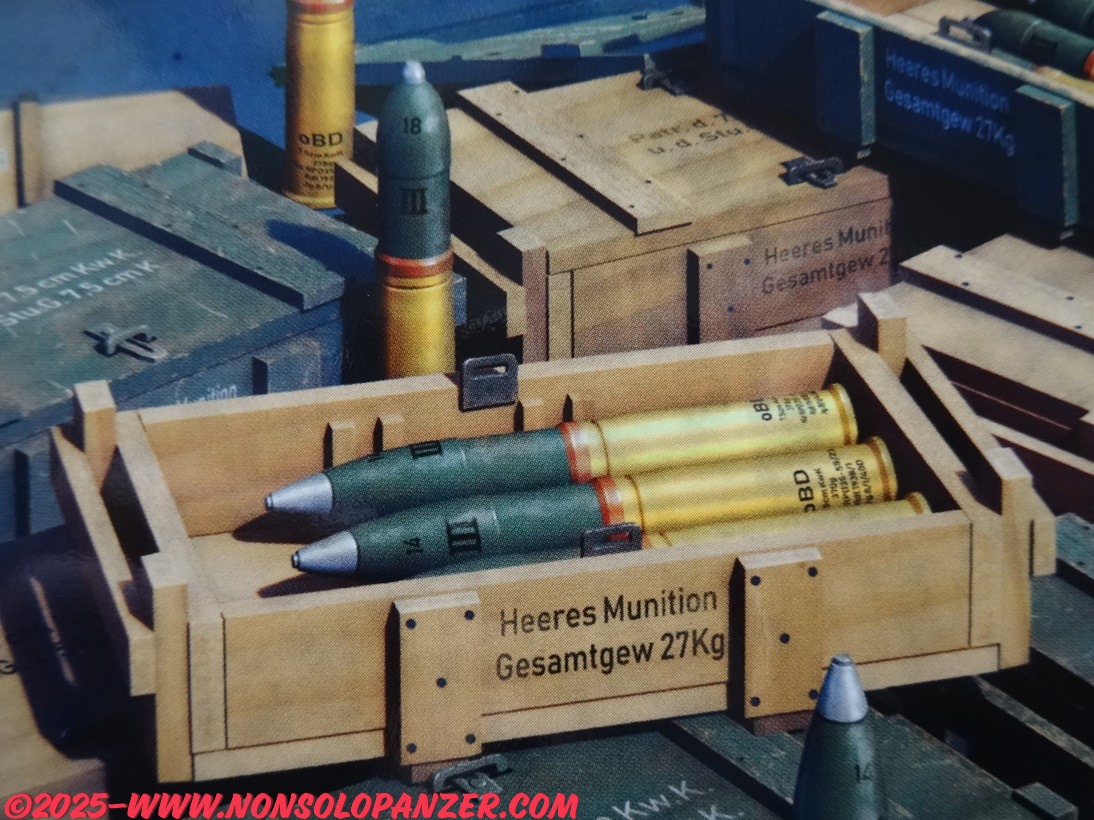
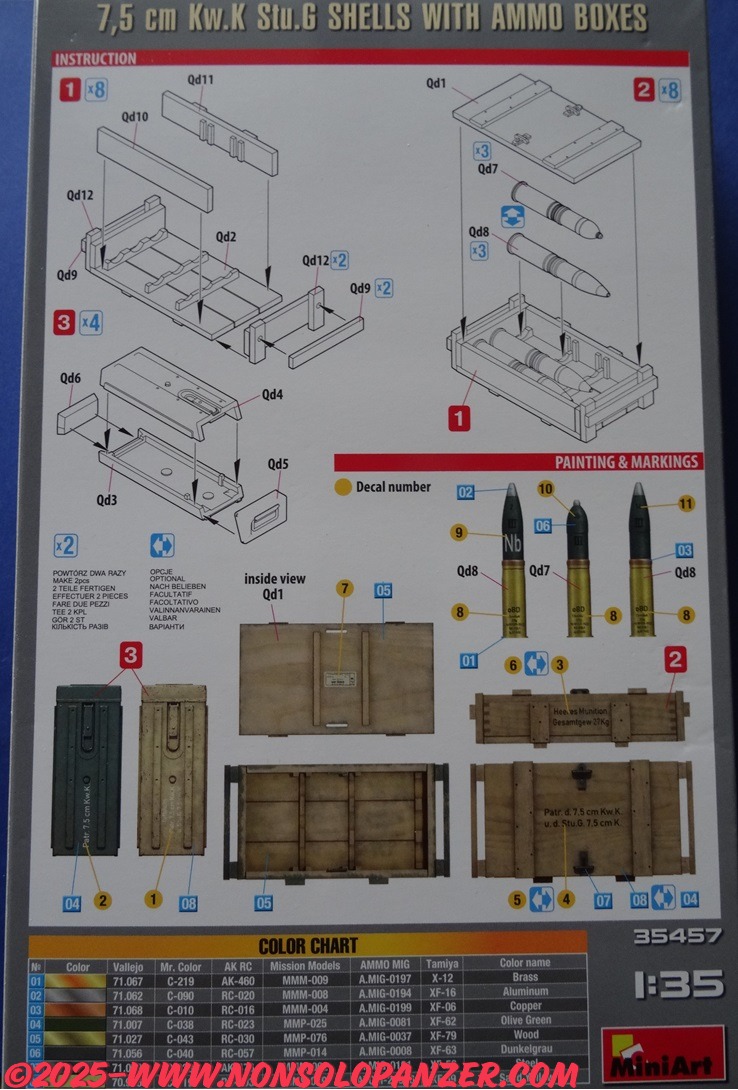
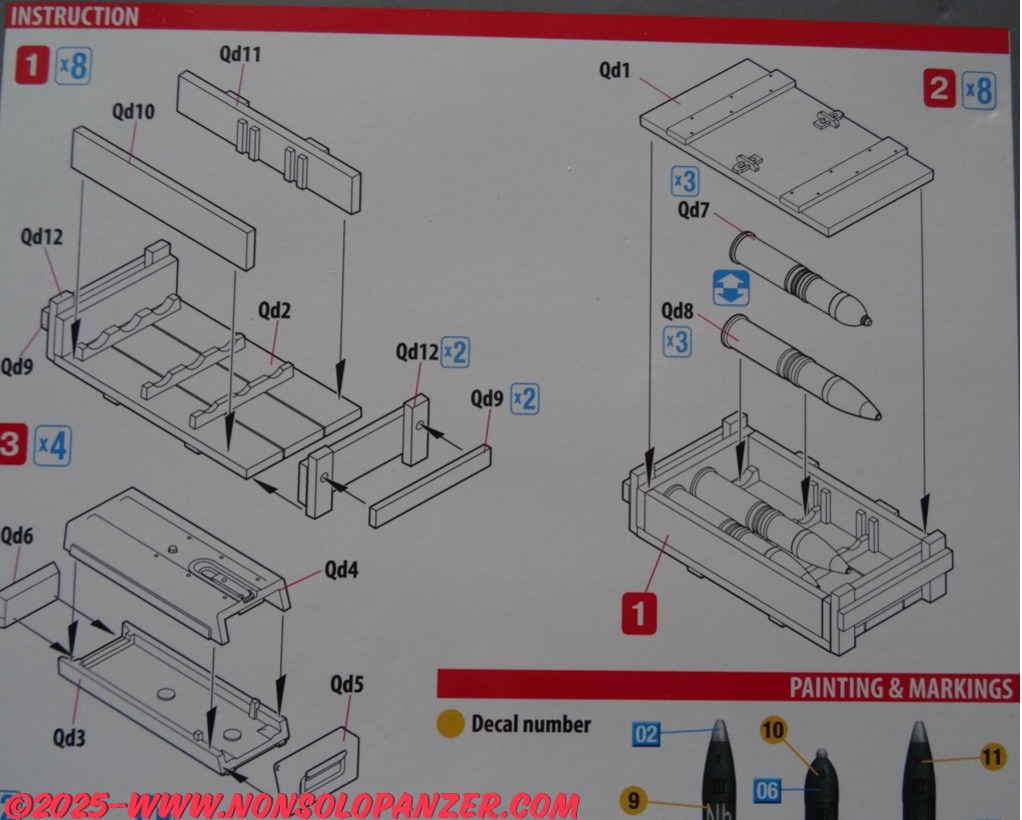
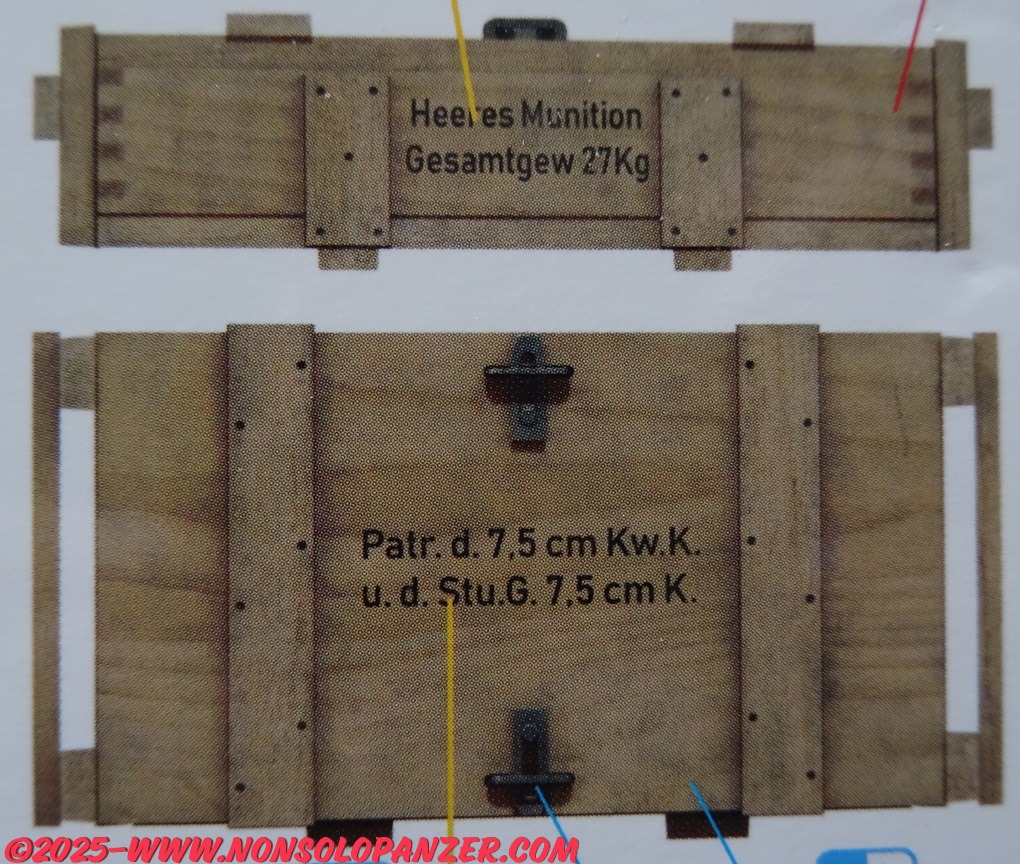
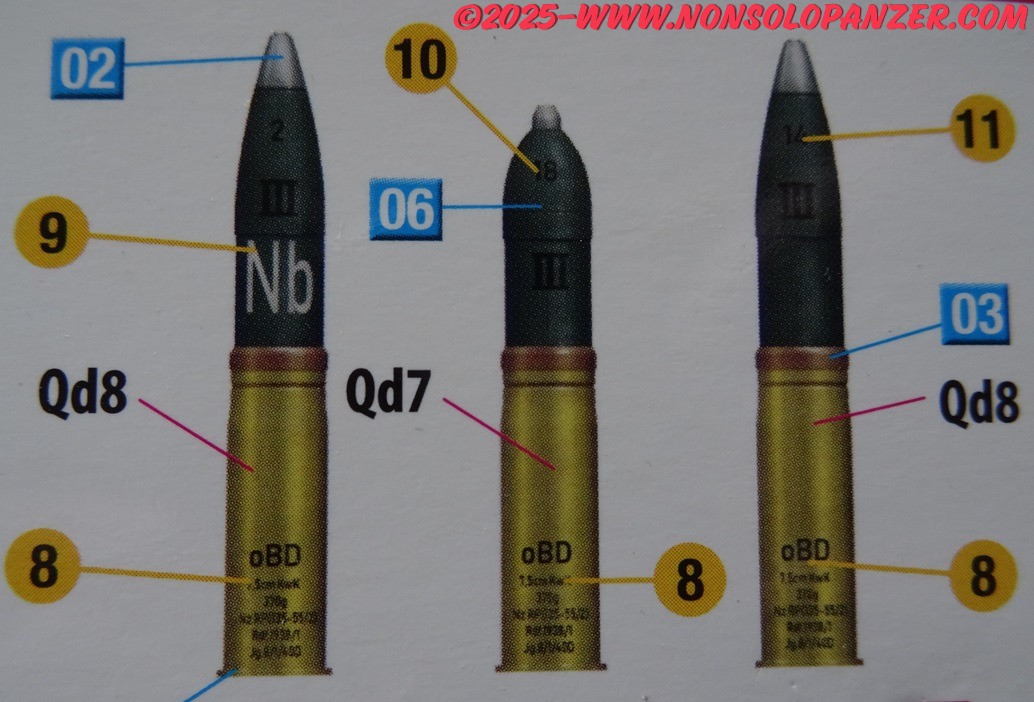
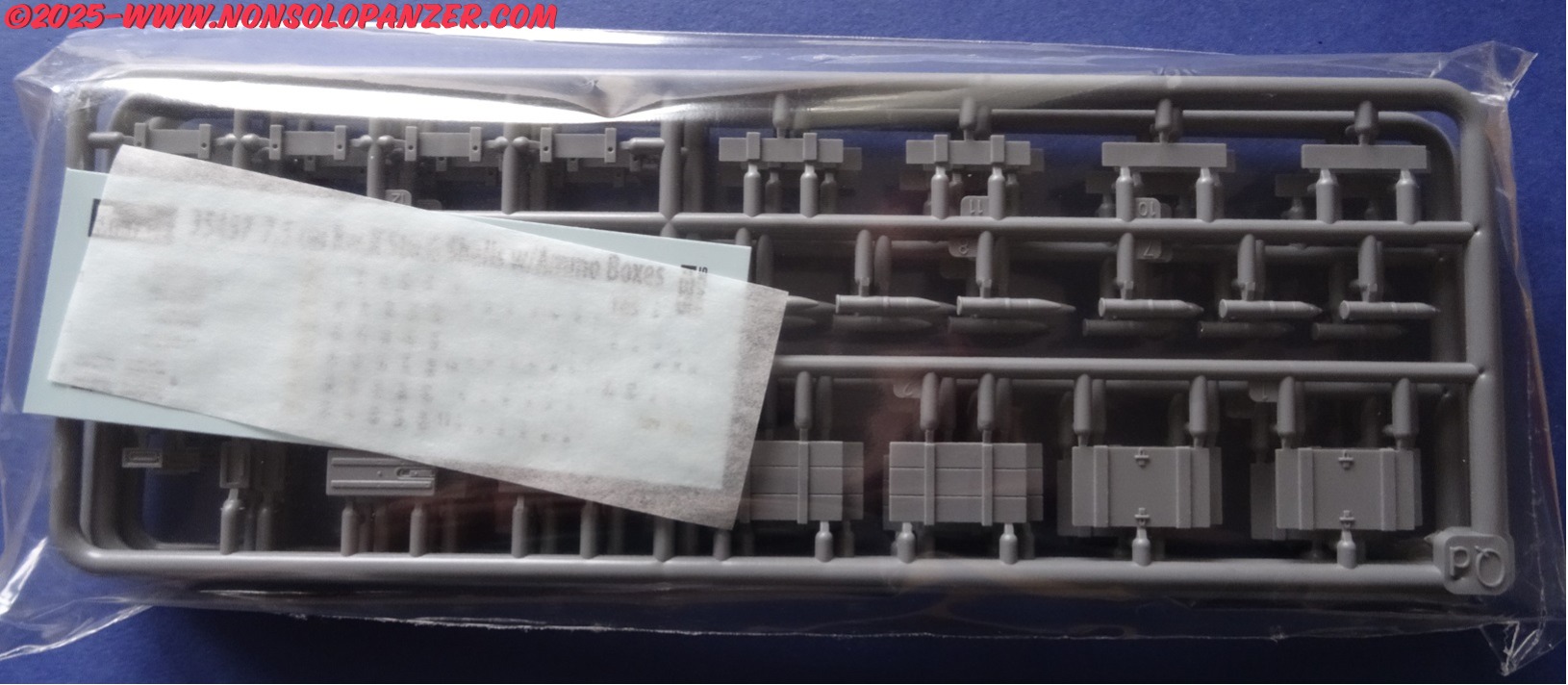
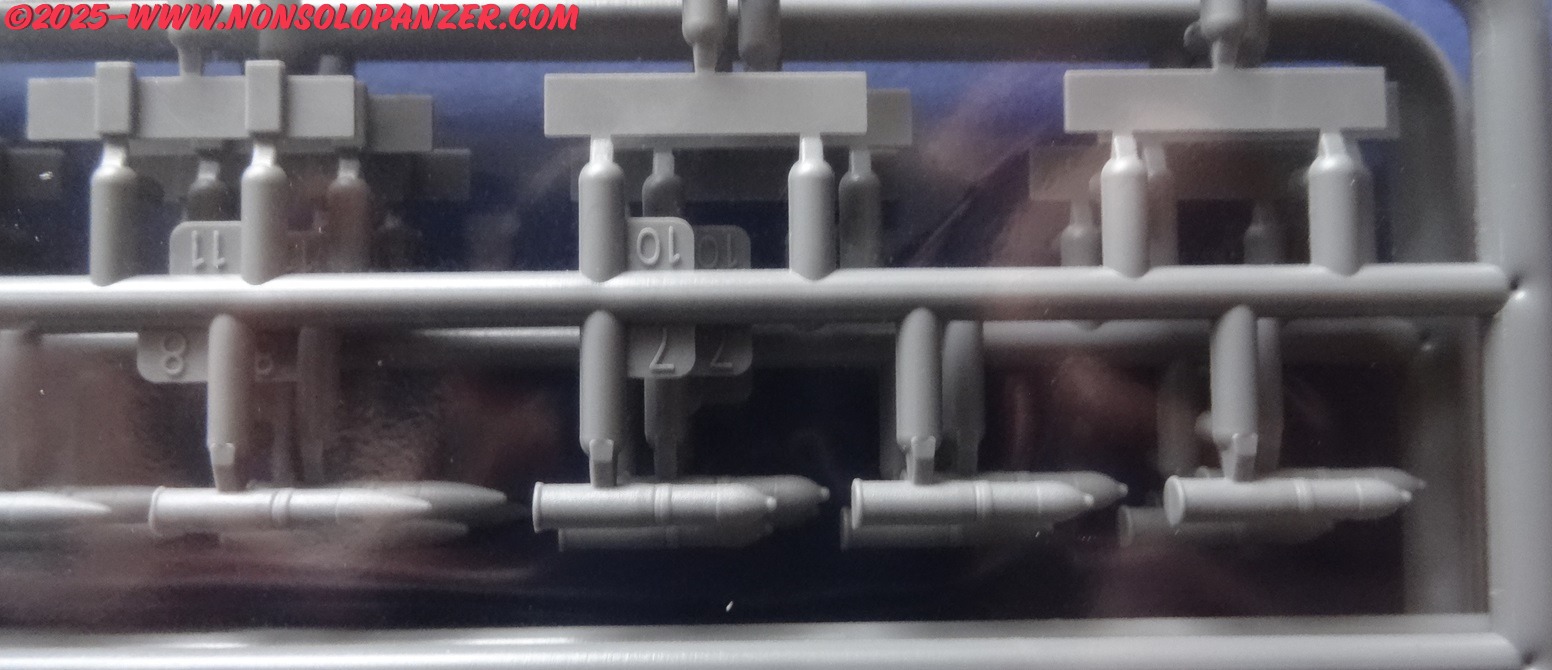
MiniArt ha recente commercializzato il kit in oggetto dedicato proprio ai proiettili del 7.5 cm KwK 37 L/24. Benché la confezione citi esclusivamente il cannone d’assalto StuG, i proiettili sono gli stessi utilizzati da tutti i veicoli che furono equipaggiati col 7.5 cm KwK 37 L/24. Si tratta, quindi, di un set assai utile a tutti gli appassionati di modellismo militare in scala 1/35 che vogliano arricchire i modelli che riproducono i numerosi veicoli che utilizzarono questo cannone. Il contenuto del kit, infine, è ben dettagliato e stampato, include sia i proiettili che le casse di trasporto nonché le decal per riprodurre le scritte tecniche.


English language
The 7.5 cm KwK 37 L/24 gun (KwK stands for Kampfwagenkanone) was one of the most used artillery pieces by the German army during World War II. Developed by Krupp in 1934, this short-barreled gun was designed for close infantry support. Thanks to low-velocity and high-explosive shells, the weapon offered essential help to infantrymen as it was particularly effective against fortifications and machine gun nests.
For these reasons, the 7.5 cm KwK 37 L/24 equipped the first versions of the Panzer IV and StuG III which, in the initial stages of the conflict, had been designed to support the infantry. However, with the evolution of the war and the encounter with increasingly powerful enemy tanks, they were forced leaving their original role to be equipped with anti-tank guns. As a result, the 7.5 cm KwK 37 L/24 was mounted on other types of vehicles in order to ensure that the infantrymen did not lack the essential help of this gun. Attempting the maximum possible standardization, the 7.5 cm KwK 37 L/24 equipped half-tracks and armoured cars (I cite as an example: Sd.Kfz. 251/9, Sd.Kfz. 250/8 and Sd.Kfz. 234/3) without forgetting the Panzer III Ausf. N, the latest version of a tank that, obsolete in 1943, thanks to the 7.5 cm KwK 37 L/24 had a last redemption by protecting the Tiger I from enemy infantry on the heights of Tunisia and in the Kursk plain.
I conclude this brief overview by recalling that, as various feats of arms demonstrated during Operation Barbarossa, the 7.5 cm KwK 37 L/24 was equipped with a hollow charge projectile which, despite very risky rules of engagement, was surprisingly effective even against the Soviet T-34s. Finally, to better understand the characteristics of the carriage used on the Sd.Kfz. 251/9 (early production) you can refer to my previous article: 7.5 cm L24 KwK-37 für Sdkfz. 251/9 – Overloon War Museum
MiniArt has recently marketed the kit dedicated to the 7.5 cm KwK 37 L/24 bullets. Although the packaging mentions the StuG assault gun only, the shells are the same as those used by all vehicles that were equipped with the 7.5 cm KwK 37 L/24. It is, therefore, a very useful for all fans of 1/35 scale military modeling who want to enrich the models that reproduce the numerous vehicles that used this gun. Finally, the contents of the kit are well detailed and printed, including both bullets and transport crates as well as decals to reproduce the technical writings.
 NonSoloPanzer