
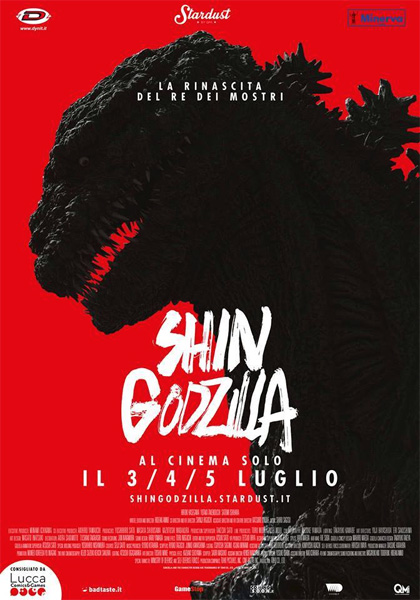
Non posso definirmi un esperto di film nipponici con protagonisti i kaiju, i grandi mostri con l’ossessione di distruggere Tokyo. Ciononostante, il genere mi interessa molto perché i kaiju, pericolosi ed inarrestabili, incarnano il terrore per la bomba atomica come solo il popolo giapponese può esprimere con triste consapevolezza. I kaiju sono una metafora, una rappresentazione spaventosa ma semplice e di stampo popolare di una paura ed uno shock ancora profondamente radicato nel sentire comune nipponico. I kaiju sono, in ultima analisi, una forma di esorcismo dei disastri passati ed un modo per mantenerne vivo il ricordo come monito per il futuro. Per ovvie ragioni, Godzilla è il più importante e noto dei kaiju e gode di un posto speciale nel mio immaginario.

Fu Ishirō Honda il registra del film in cui comparve per la prima volta Godzilla. Era il lontano 1954, nemmeno dieci anni prima, Hiroshima e Nagasaki erano state rase al suolo da esplosioni atomiche. Da allora, Godzilla ha avuto infinite incarnazioni, approdando più volte anche ad Hollywood con messe in scena spesso roboanti e spettacolari ma prive di quel sottotesto che non è certo possibile pretendere, per mentalità e responsabilità, da autori statunitensi. Ne consegue che le opere giapponesi con protagonista Godzilla hanno, almeno ai miei occhi, un’importanza particolare. Ciò è ancor più vero nel caso di “Shin Godzilla“, pellicola del 2016 il cui regista è un autore istrionico come Hideaki Anno, assunto al ruolo di celebrità in quanto deus ex machina di importanti opere animate come “Nadia: The Secret of Blue Water” e, soprattutto, “Neon Genesis Evangelion“.
“Shin Godzilla” offre una rivisitazione moderna di Godzilla per muovere una critica tagliente alla burocrazia giapponese ed all’immobilismo del governo. Tutto inizia con l’apparizione improvvisa di una creatura gigantesca nella baia di Tokyo. Il mostro causa distruzione e caos per poi tornare ad immergersi e sparire senza lasciare tracce. Il governo giapponese, inizialmente incredulo, approfitta della sparizione del mostro per insabbiare l’evento e predisporre una serie di risposte burocratiche inefficaci. Dopo poco tempo, Godzilla torna a colpire evolvendo in forme sempre più potenti. Un gruppo di funzionari e scienziati, consapevoli della minaccia crescente, cerca disperatamente di trovare un modo per fermarlo opponendo la resilienza umana all’inefficienza governativa ingabbiata in rituali vetusti. In questo film, Godzilla è un’evidente allegoria dello tsunami del 2011 e del disastro di Fukushima che ne seguì. Il sottotesto è, altresì, una critica feroce a come fu e continua ad essere gestito l’incidente. Lo stesso Godzilla, come il reattore della centrale nucleare di Fukushima, viene arrestato raffreddandolo. Il problema è lungi dall’essere risolto ma tutto, nella realtà come nel film, è coordinato dalle autorità allo scopo di tornare rapidamente alla normalità. Una normalità rassicurante ma falsa ed ipocrita perché, prima o poi, il “mostro” si sveglierà più pericoloso di prima.
Il film ha ottenuto un grande successo sia in Giappone che a livello internazionale, permettendo a Hideaki Anno di realizzare altri due film dedicati ai suoi eroi dell’infanzia: “Shin Ultraman” (2022) e “Shin Kamen Rider” (2023). Tutti questi film contengono il termine “Shin” nel titolo, che significa “nuovo” o “vero”, indicando una rinascita o una reinterpretazione moderna dei personaggi classici.



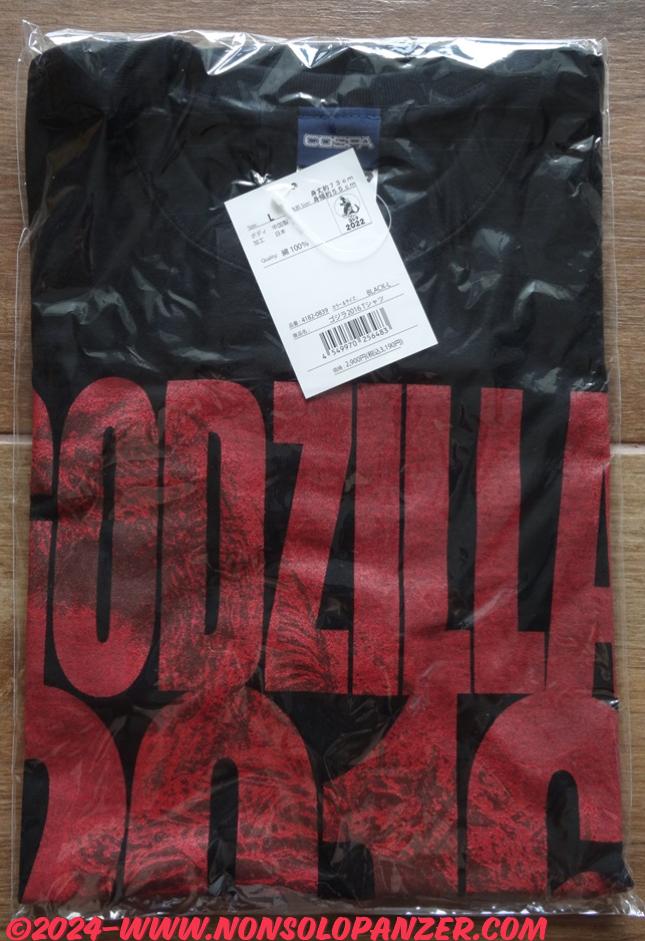
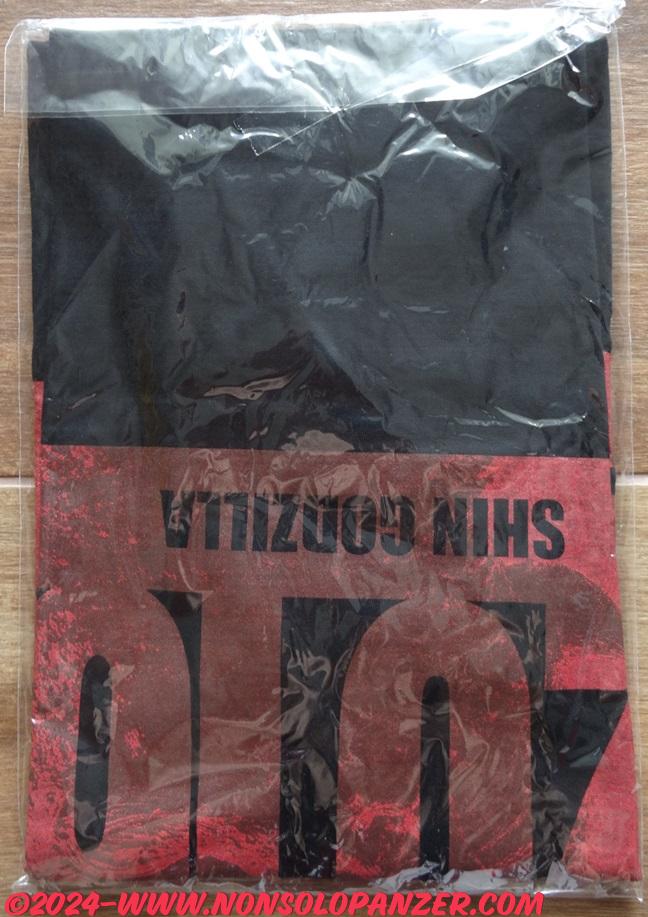
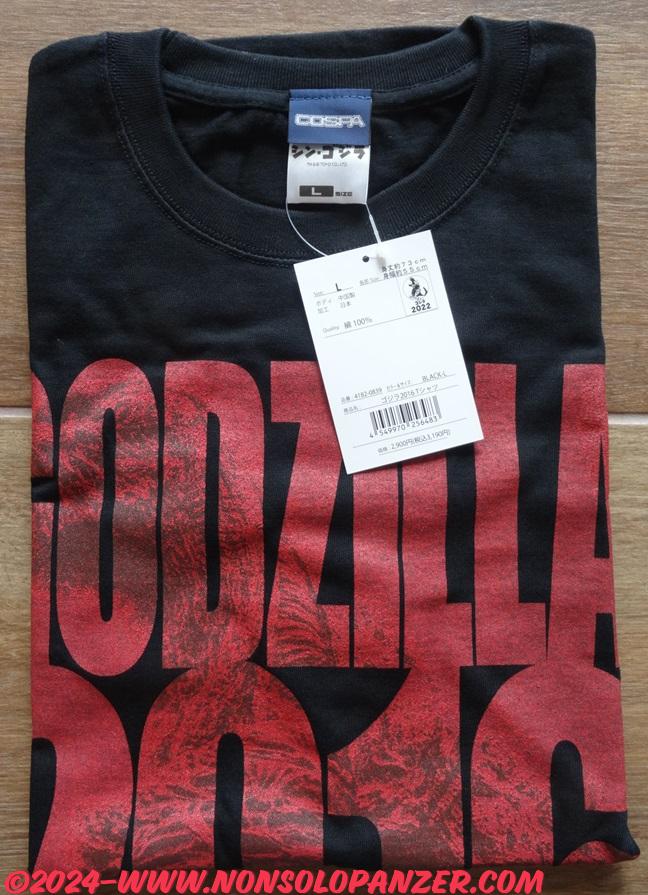
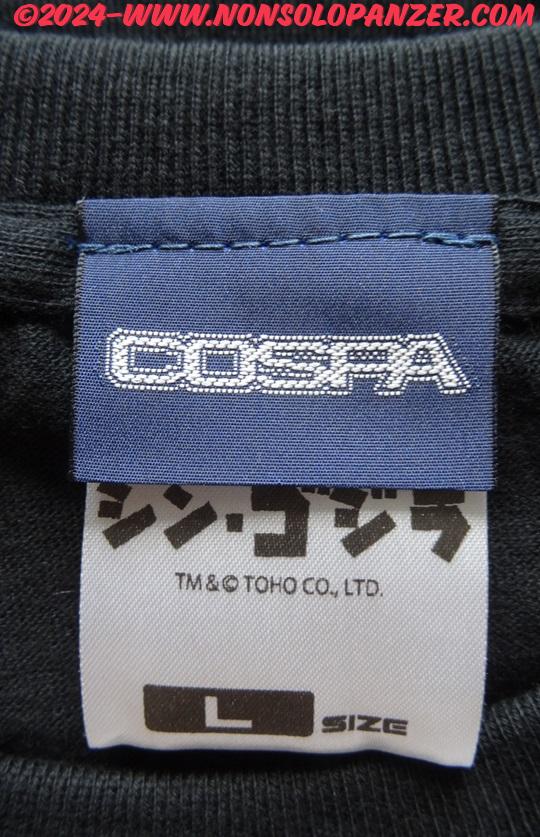
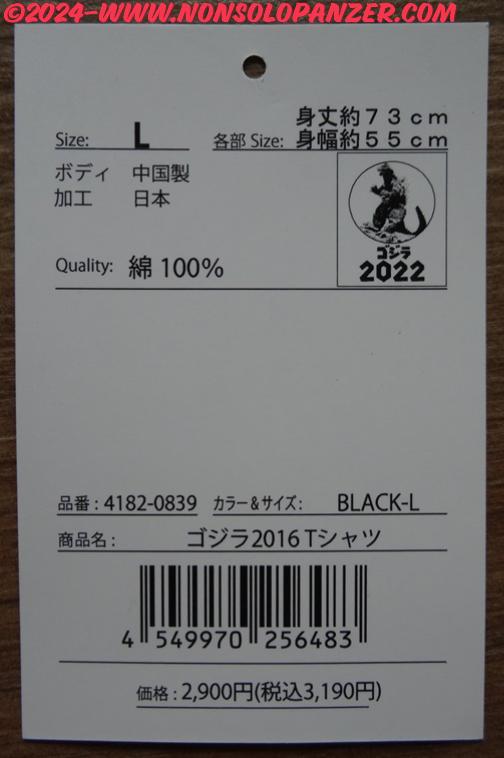
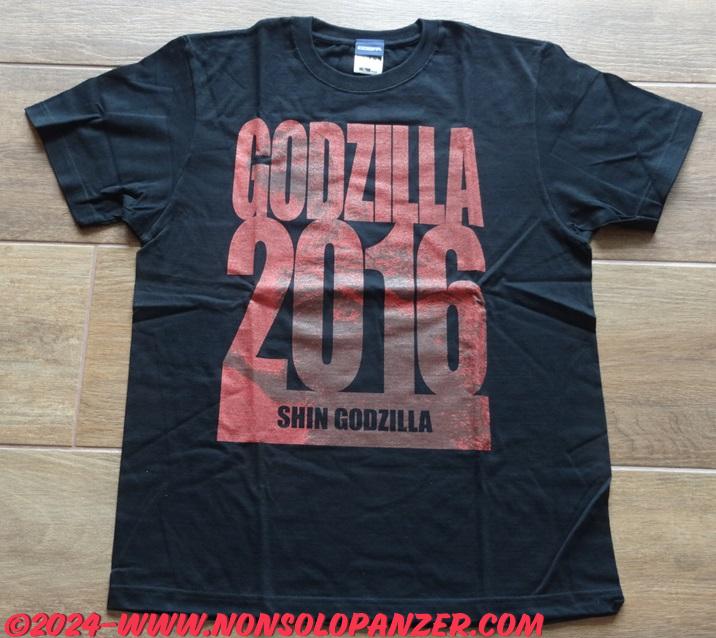
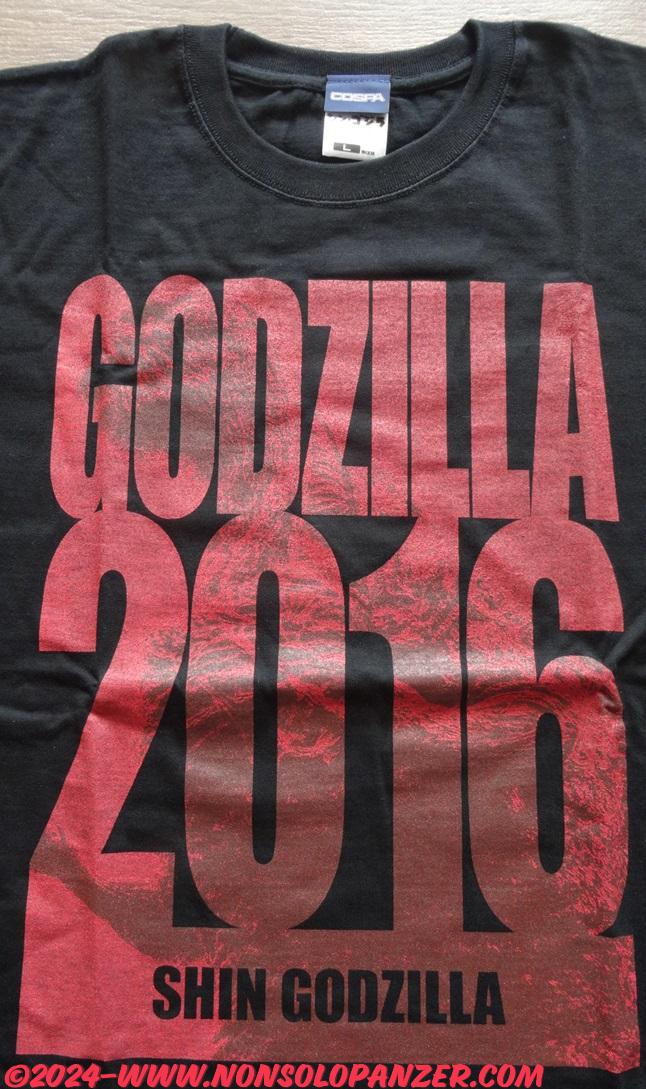
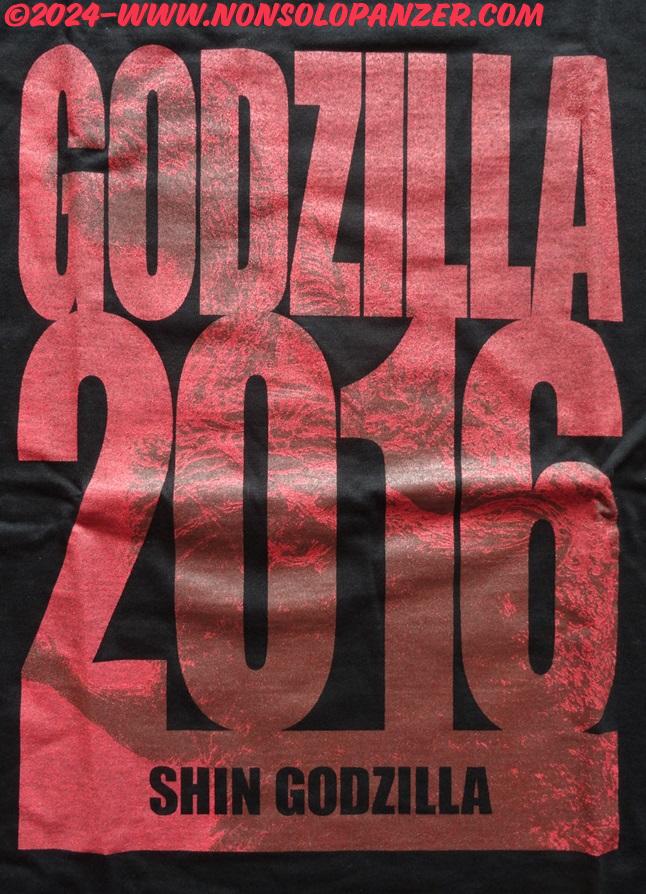
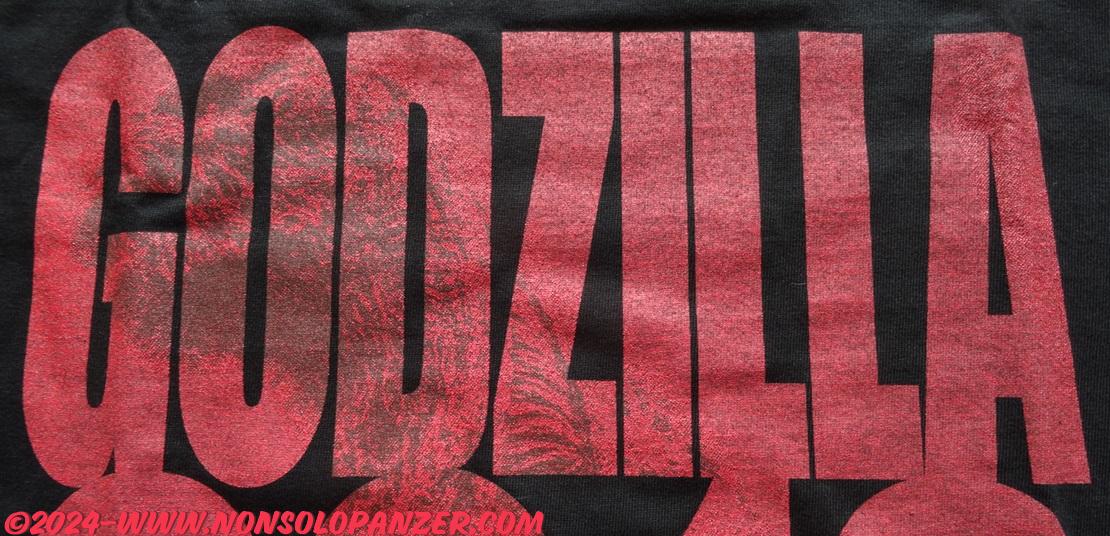
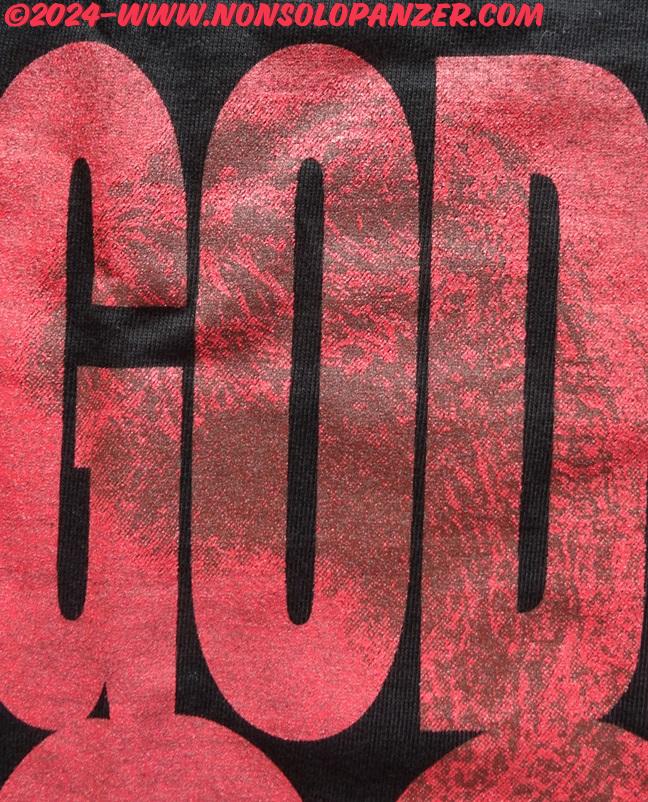
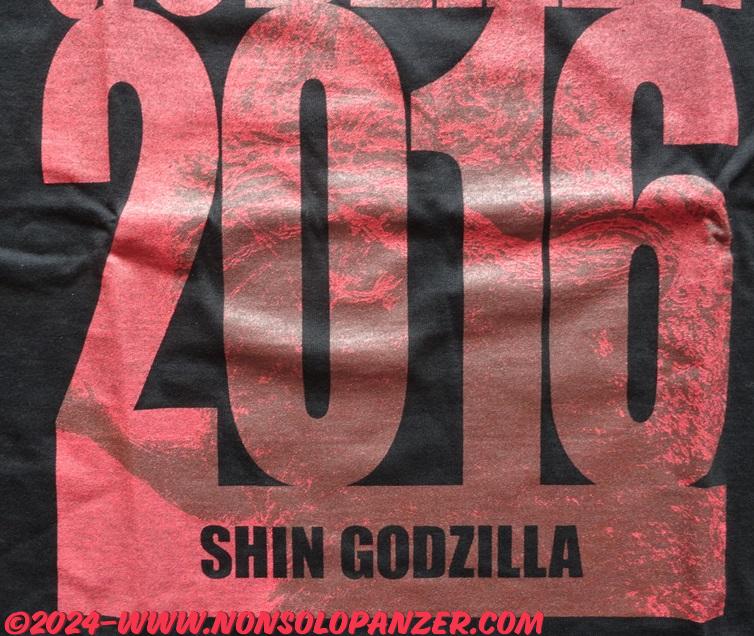
La maglietta Cospa mostrata in questo articolo è dedicata proprio a “Shin Godzilla“. La t-shirt riproduce l’immagine del Godzilla come appare nel film con tanto di “2016” in caratteri cubitali così da evitare qualsiasi confusione con altre versioni del celebre mostro. Realizzata in cotone al 100%, questa maglietta è semplicemente imperdibile per tutti gli estimatori del film.
English Language
I can’t call myself an expert on Japanese films starring kaiju, the big monsters with an obsession with destroying Tokyo. Nevertheless, the genre interests me a lot because the kaiju, dangerous and unstoppable, embody the terror of the atomic bomb as only the Japanese people can express with sad awareness. The kaiju are a metaphor, a frightening but simple and popular representation of a fear and a shock still deeply rooted in the common Japanese feeling. Kaiju are, ultimately, a form of exorcism of past disasters and a way to keep the memory alive as a warning for the future. For obvious reasons, Godzilla is the most important and well-known of the kaiju and enjoys a special place in my imagination.
Ishirō Honda was the director of the film in which Godzilla first appeared. It was back in 1954, not even ten years earlier, Hiroshima and Nagasaki had been razed to the ground by atomic explosions. Since then, Godzilla has had infinite incarnations, landing several times even in Hollywood with often bombastic and spectacular stagings but without that subtext that is certainly not possible to expect, due to mentality and responsibility, from American authors. It follows that Japanese works starring Godzilla have, at least in my eyes, a particular importance. This is even more true in the case of “Shin Godzilla“, a 2016 film whose director is a histrionic author like Hideaki Anno, hired to the role of celebrity as the deus ex machina of important animated works such as “Nadia: The Secret of Blue Water” and, above all, “Neon Genesis Evangelion“.
“Shin Godzilla” offers a modern take on Godzilla to make a sharp critique of Japanese bureaucracy and government inaction. It all starts with the sudden appearance of a gigantic creature in Tokyo Bay. The monster causes destruction and chaos and then returns to dive and disappear without a trace. The Japanese government, initially incredulous, takes advantage of the disappearance of the monster to cover up the event and prepare a series of ineffective bureaucratic responses. After a short time, Godzilla returns to strike, evolving into increasingly powerful forms. A group of officials and scientists, aware of the growing threat, are desperately trying to find a way to stop it by opposing human resilience to government inefficiency caged in outdated rituals. In this film, Godzilla is an obvious allegory of the 2011 tsunami and the Fukushima disaster that followed. The subtext is also a fierce criticism of how the incident was and continues to be handled. Godzilla itself, like the reactor of the Fukushima nuclear power plant, is shut down by cooling it. The problem is far from being solved but everything, in reality as in the film, is coordinated by the authorities in order to quickly return to normal. A reassuring but false and hypocritical normality because, sooner or later, the “monster” will wake up more dangerous than before.
The film achieved great success both in Japan and internationally, allowing Hideaki Anno to make two more films dedicated to his childhood heroes: “Shin Ultraman” (2022) and “Shin Kamen Rider” (2023). All of these films contain the term “Shin” in the title, which means “new” or “true,” indicating a rebirth or modern reinterpretation of classic characters.
The Cospa t-shirt shown in this article is dedicated to “Shin Godzilla“. The t-shirt reproduces the image of Godzilla as it appears in the film complete with “2016” in large letters so as to avoid any confusion with other versions of the famous monster. Made of 100% cotton, this t-shirt is simply a must-have for all fans of the film.
 NonSoloPanzer