
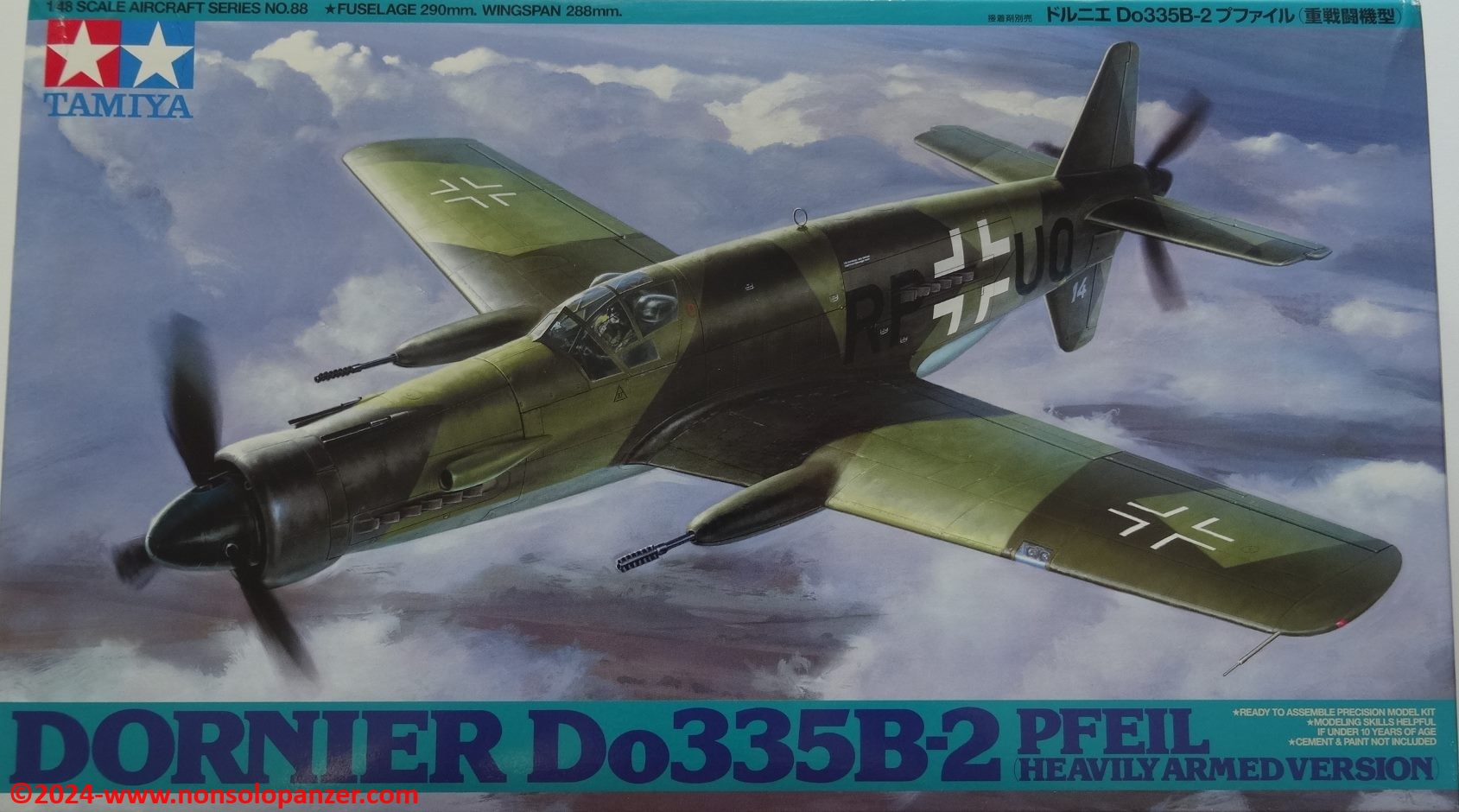
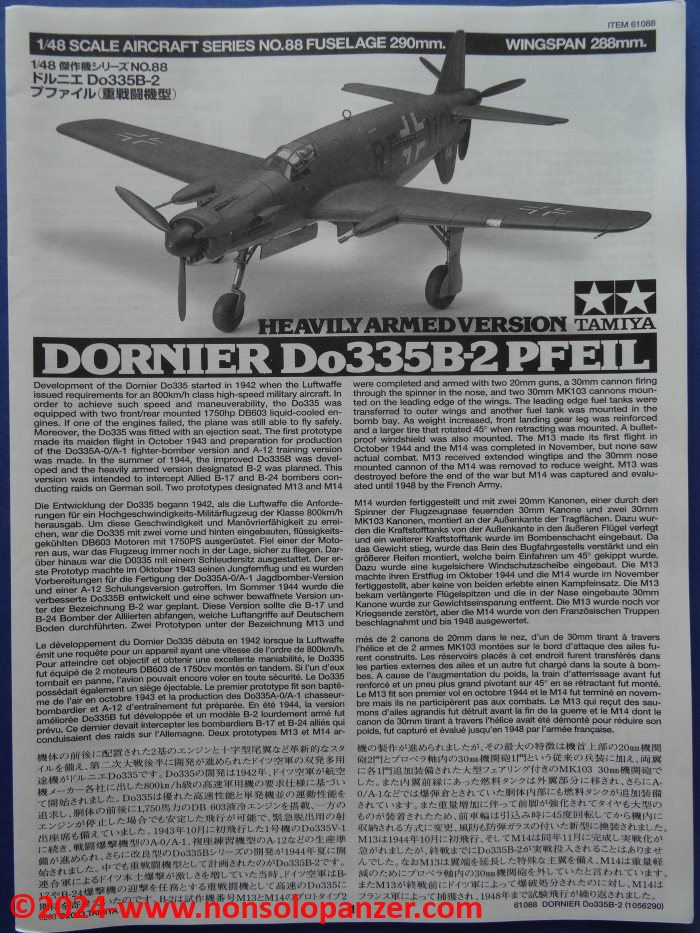
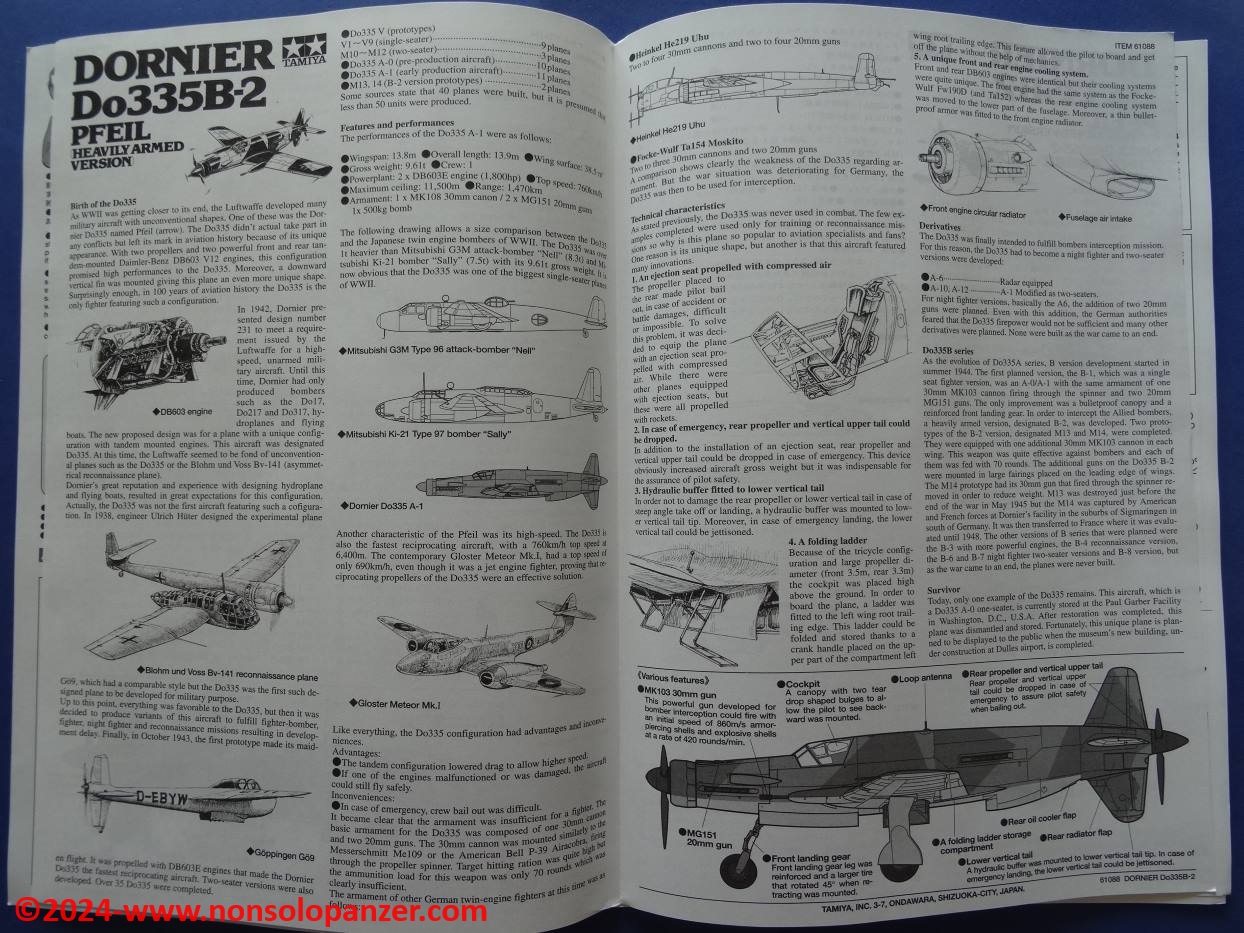
Non ritengo che questo mio piccolo blog sia li luogo più adatto per raccontare la complessa storia del caccia Dornier Do-335. La rete e testi specializzati offrono informazioni ben più attendibili di quanto potrebbe fare la mia limitata competenza sul tema. Ciò detto, ritengo il Do-335 uno dei velivoli più sorprendenti fra quelli sviluppati dall’industria bellica tedesca nel corso della Seconda Guerra Mondiale. Il fascino del Do-335 deriva da numerosi aspetti. Sorvolando sulla pura estetica, sono due le attrattive per me irresistibili: i motori a tandem e il concetto di “Zerstörer” di cui il Do-335 fu massima e finale espressione. Il Do-335 si distingue per i due motori istallati in fusoliera, uno a prua con movimento traente e uno a poppa con rotazione spingente. Con l’avvento della propulsione a getto, questa soluzione tecnica fu abbandonata nel dopoguerra benché il Do-335 sia considerato l’aereo ad elica più veloce del conflitto. Tale primato è ulteriormente significativo considerate le dimensioni del velivolo. Il Do-335 era, infatti, un caccia pesante multiruolo rispondente al concetto di “Zerstörer”. Secondo quanto teorizzato dalla Luftwaffe, “Zerstörer” era una tipologia di aereo con il duplice ruolo di ariete negli attacchi contro le formazioni aeree avversarie e di intercettore/cacciabombardiere a lungo raggio. Tali funzioni necessitavano robustezza ed armamento di grosso calibro che solo un bimotore poteva offrire e, infatti, il famoso Messerschmitt Bf 110 era un caccia “Zerstörer”. Quale massima evoluzione del concetto di “Zerstörer”, il Do-335 avrebbe dovuto essere il successore del Messerschmitt Bf 110 facendo proprie innumerevoli innovazioni tecnologiche (compresa la cabina pressurizzata ed il seggiolino eiettabile) nonché l’esperienza maturata con altri due “Zerstörer” di transizione: il Messerschmitt 210 e 410. La fine della guerra, l’avvento dei motori a getto e le poche decine di esemplari di preproduzione sancirono l’abbandono di ulteriori sviluppi delle teorie e degli espedienti tecnici incarnati nel Do-335 che, ciononostante, alimenta ancora oggi la curiosità e l’ammirazione di tutti gli appassionati di aviazione e storia militare. Fra le varie versioni del Do-335, sono particolarmente attratto dal Do-335 B2 riprodotto in scala 1/48 nel bel kit Tamiya oggetto di questo articolo.
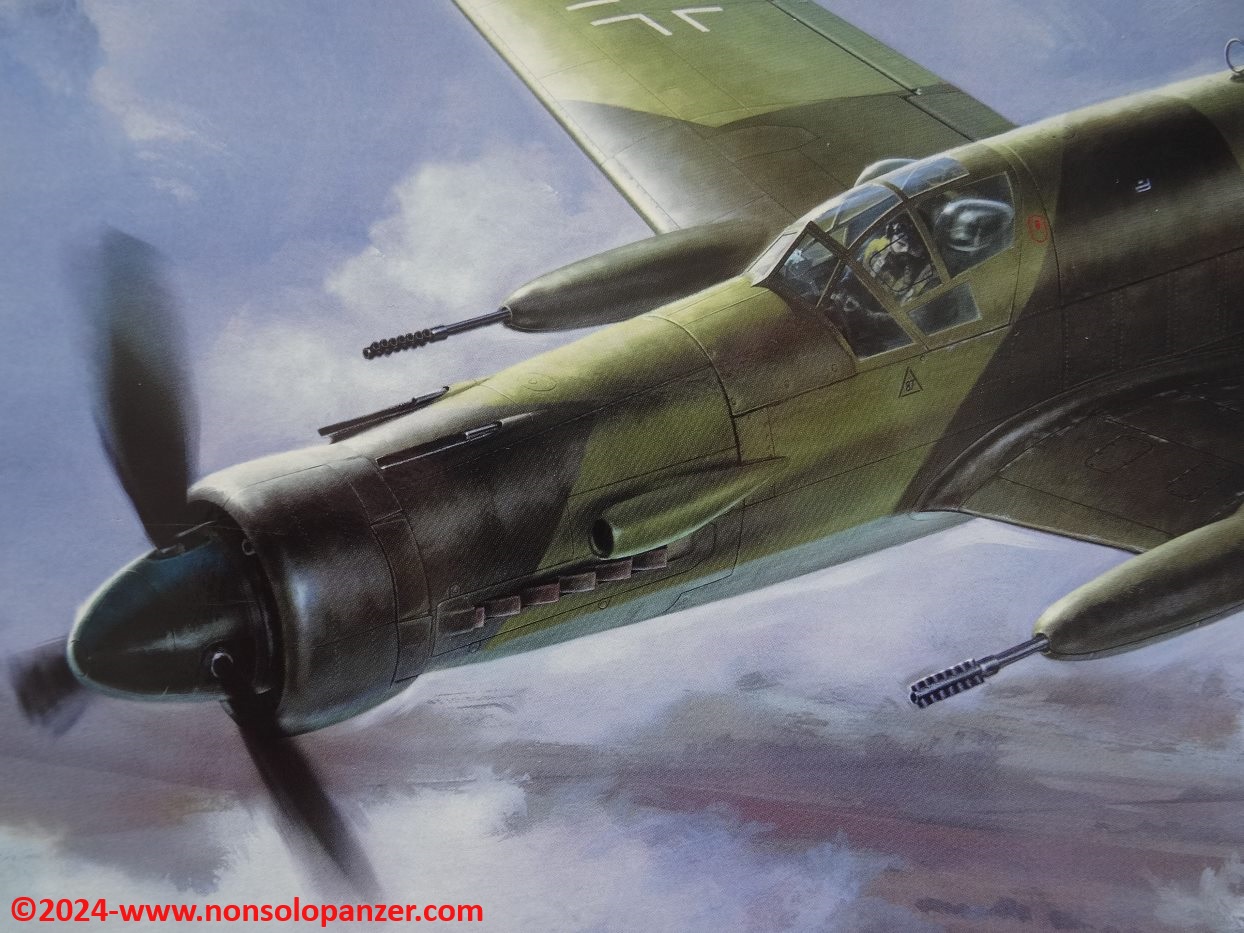

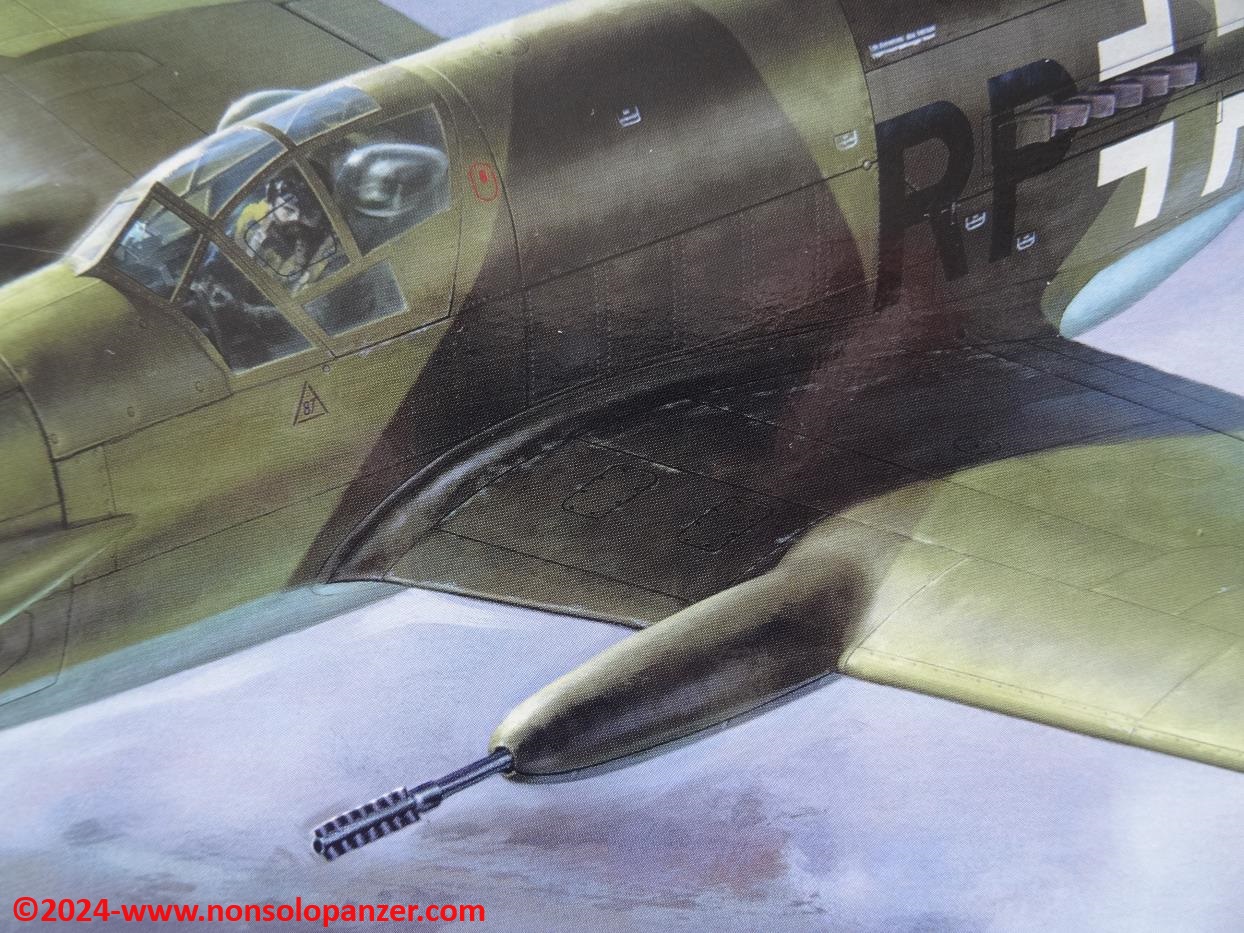
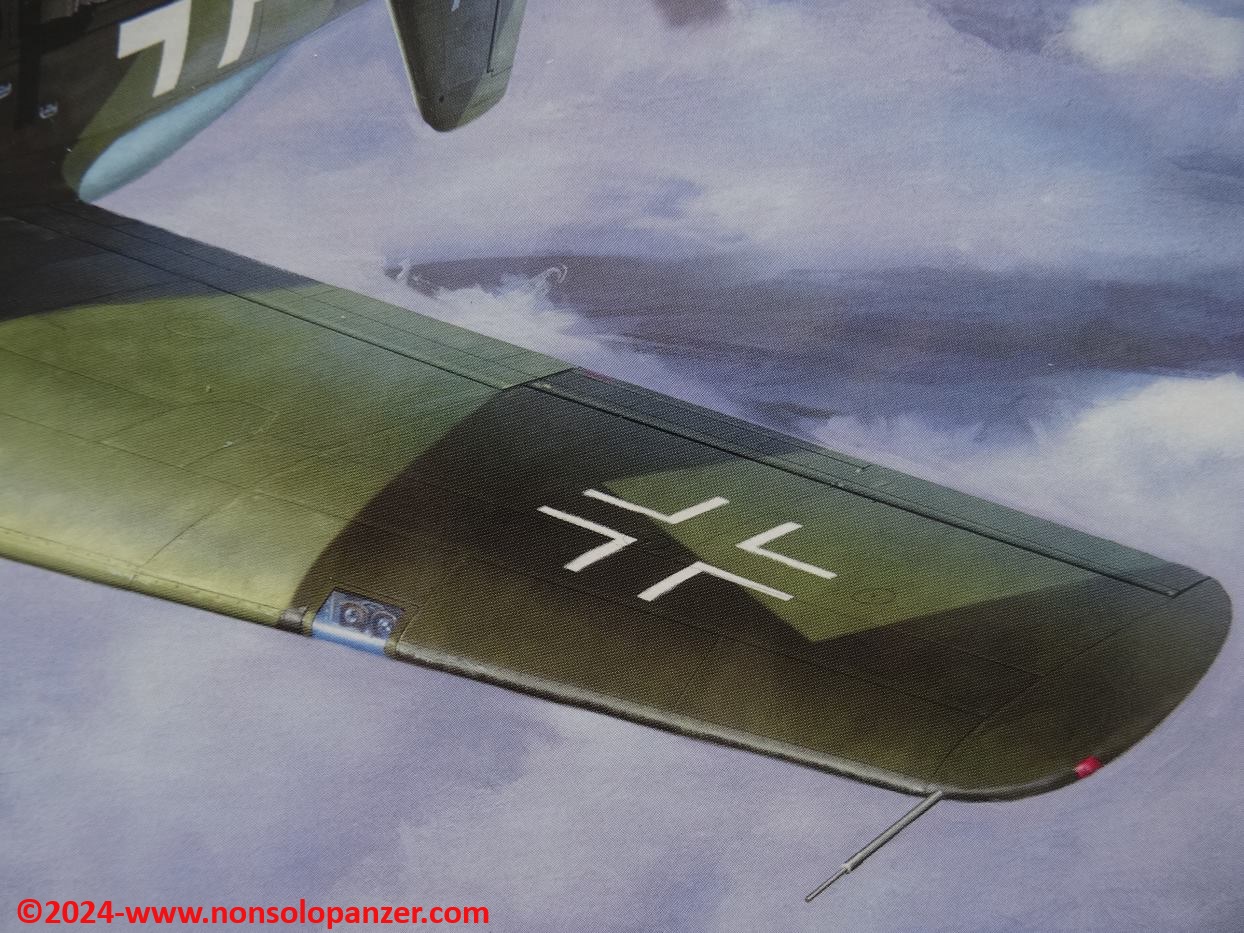

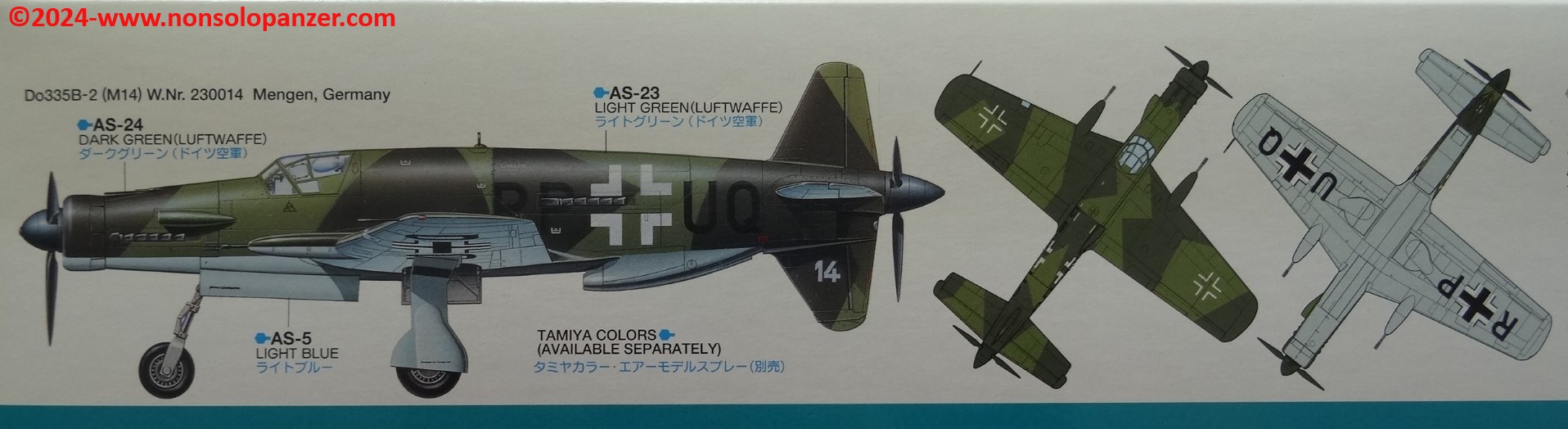
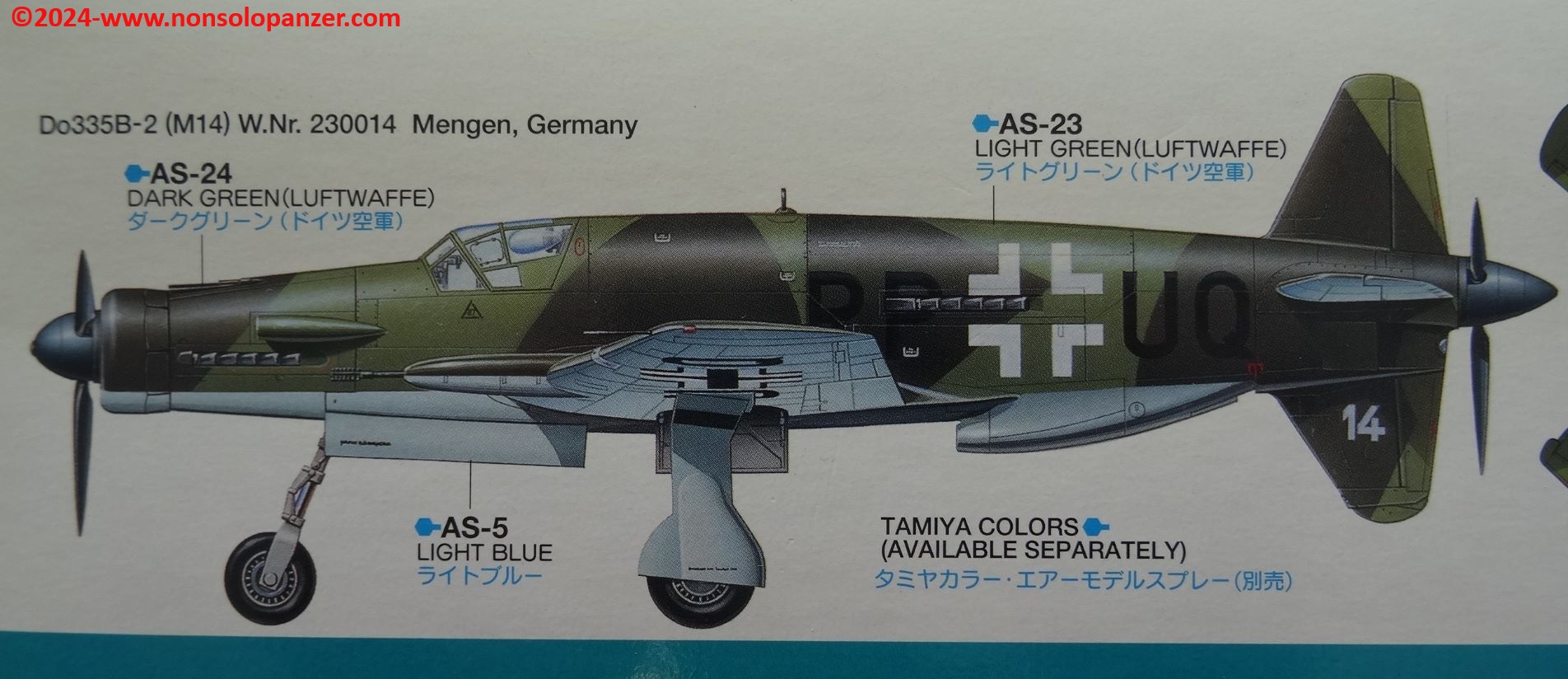
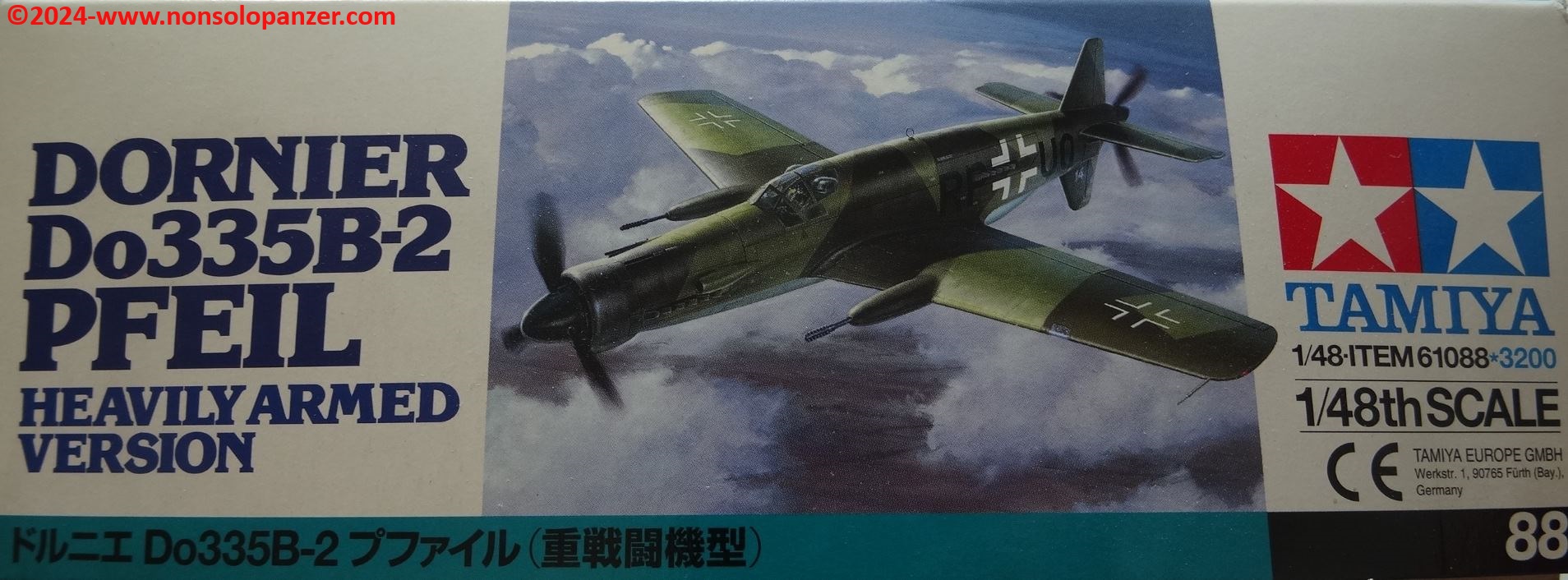
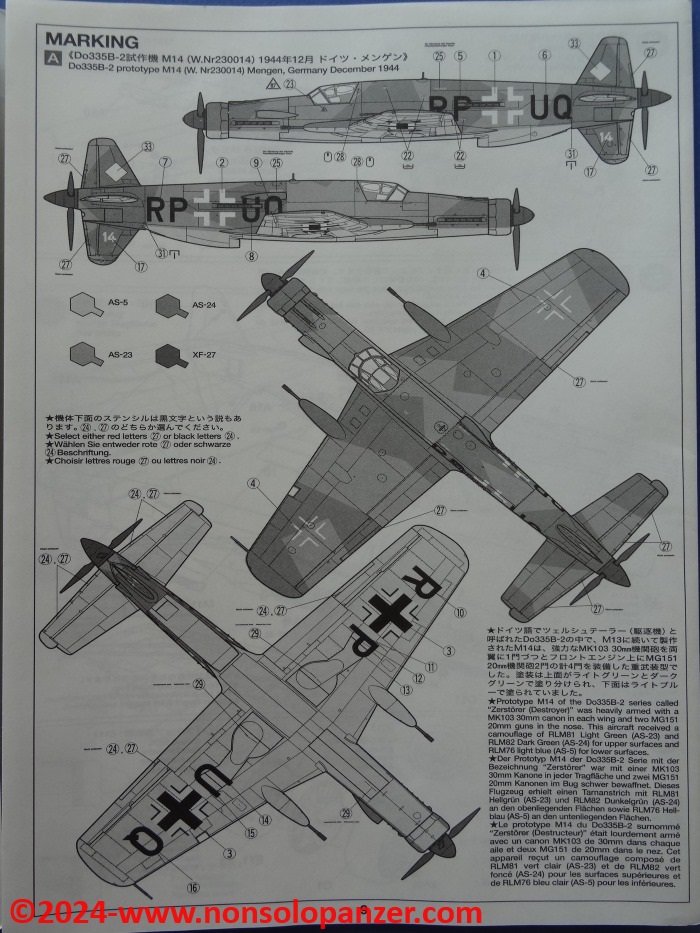
Il Do-335 B2 ha la particolarità di essere equipaggiato con due cannoni addizionali Mk-103 da 3cm alloggiati nelle ali. Fra tutte le versioni del Do-335, la B2 è certamente quella più potentemente armata e meglio rispondente al concetto di “Zerstörer”. Grazie alla gittata e potenza dei 3cm Mk-103, il Do-335 B2 avrebbe rappresentato un letale intercettore di bombardieri ed un efficace velivolo da attacco al suolo.
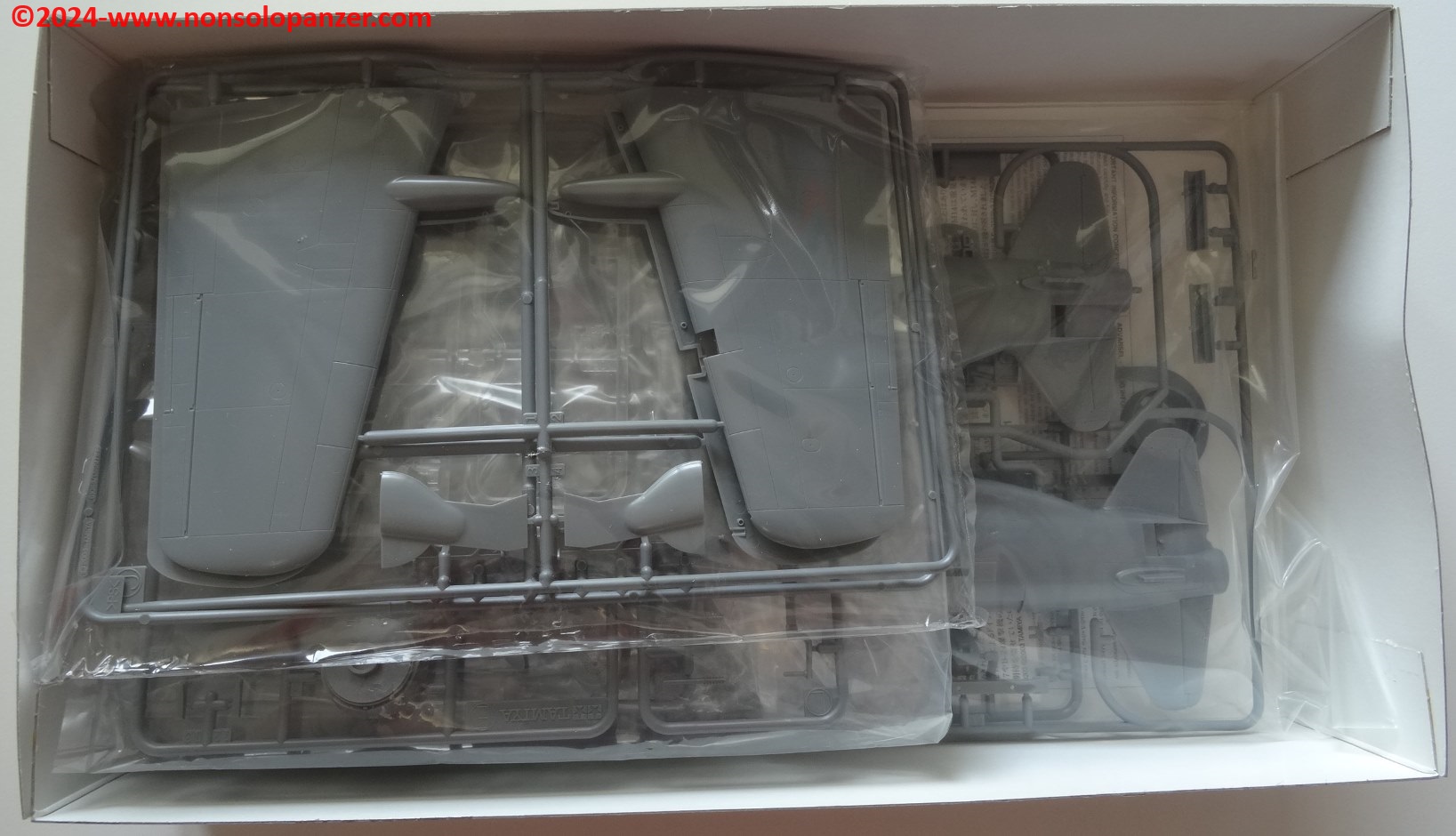


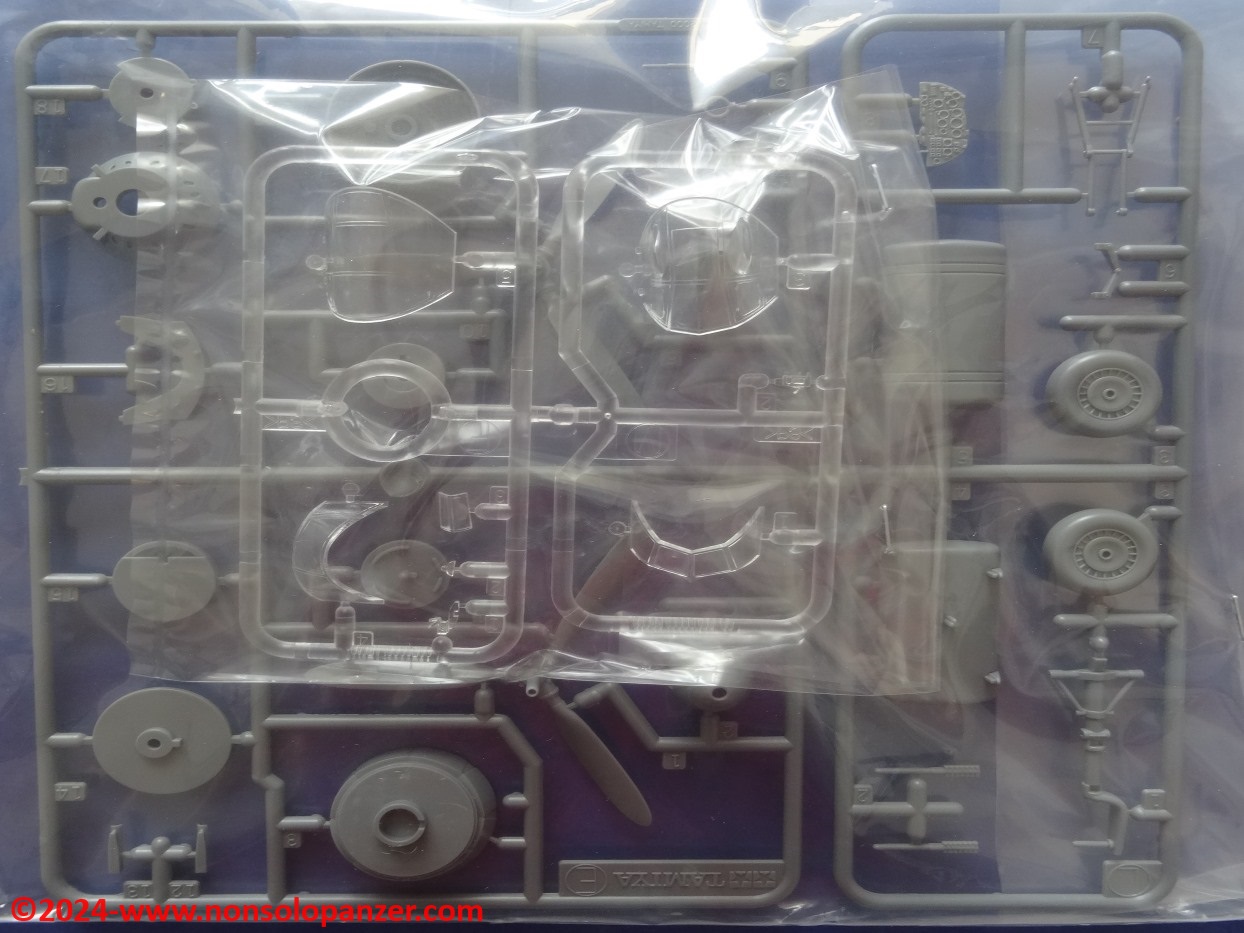
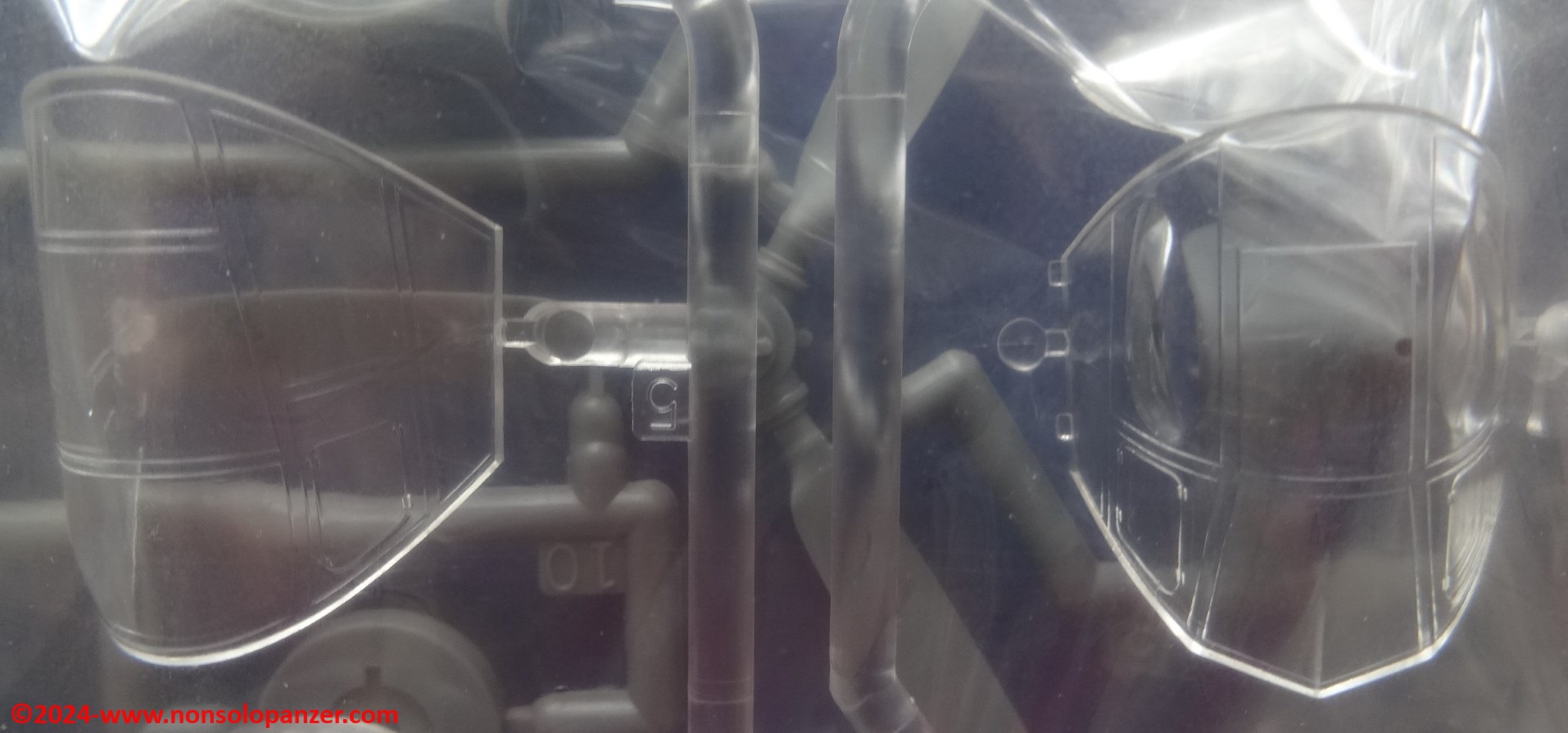
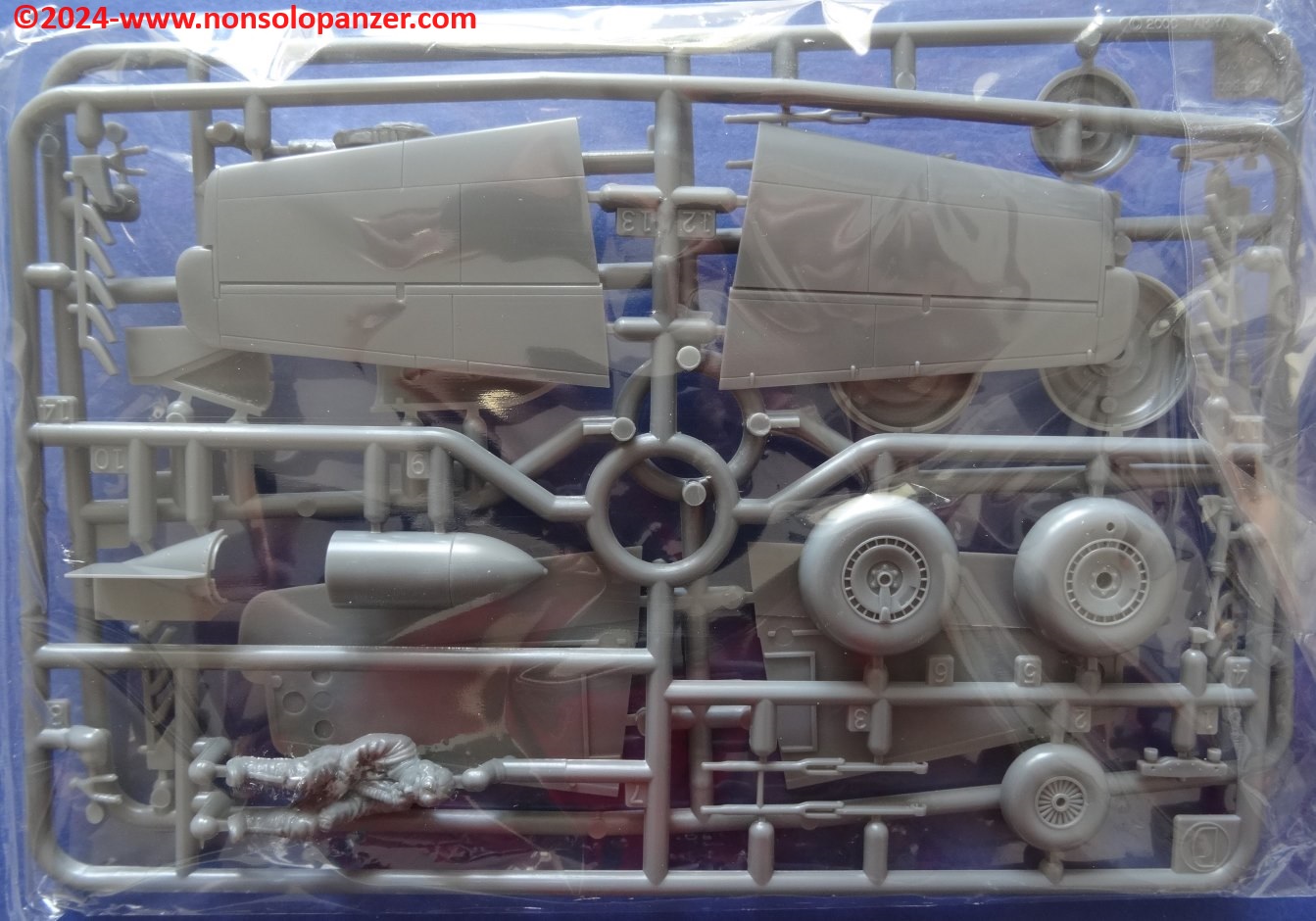
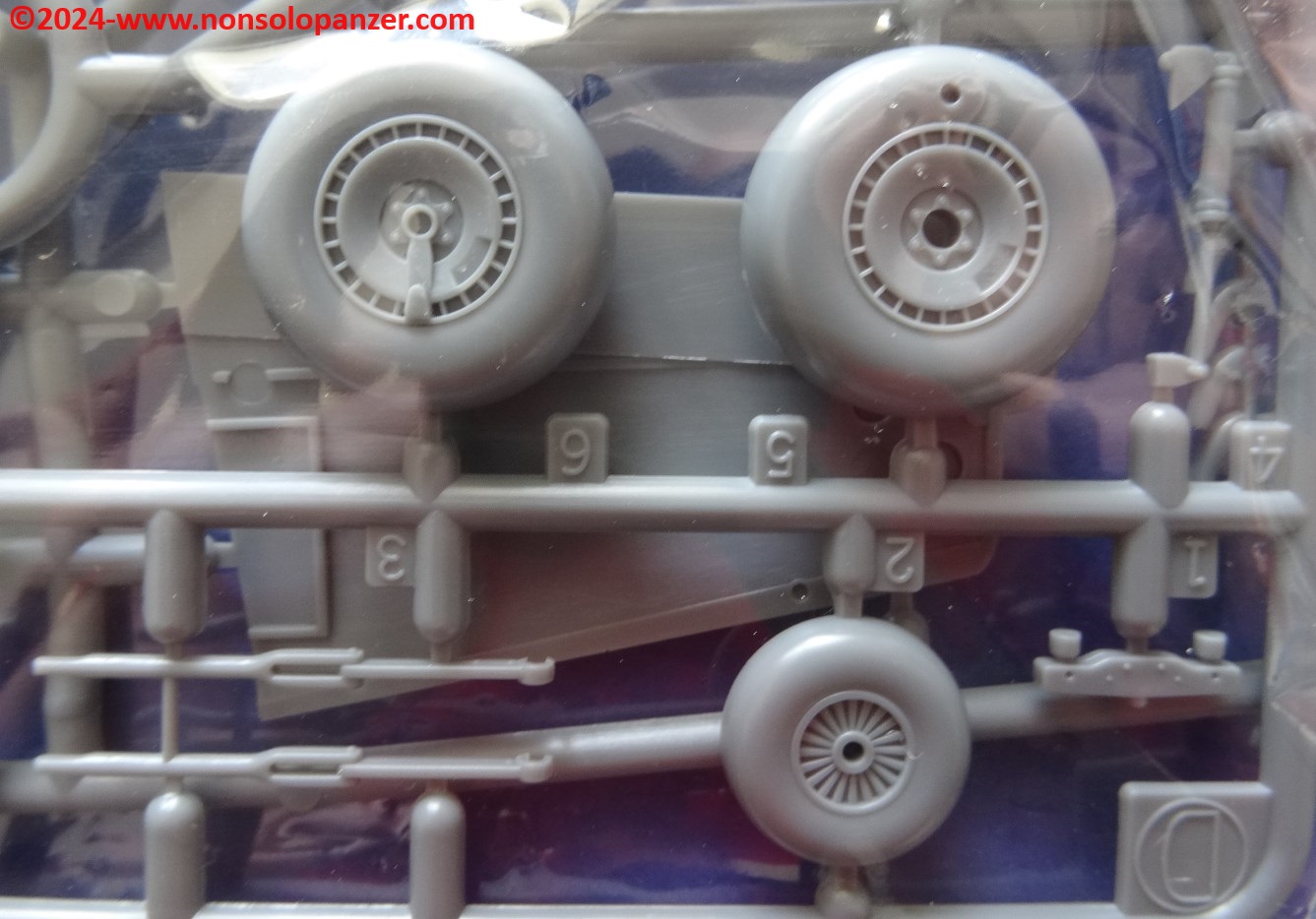

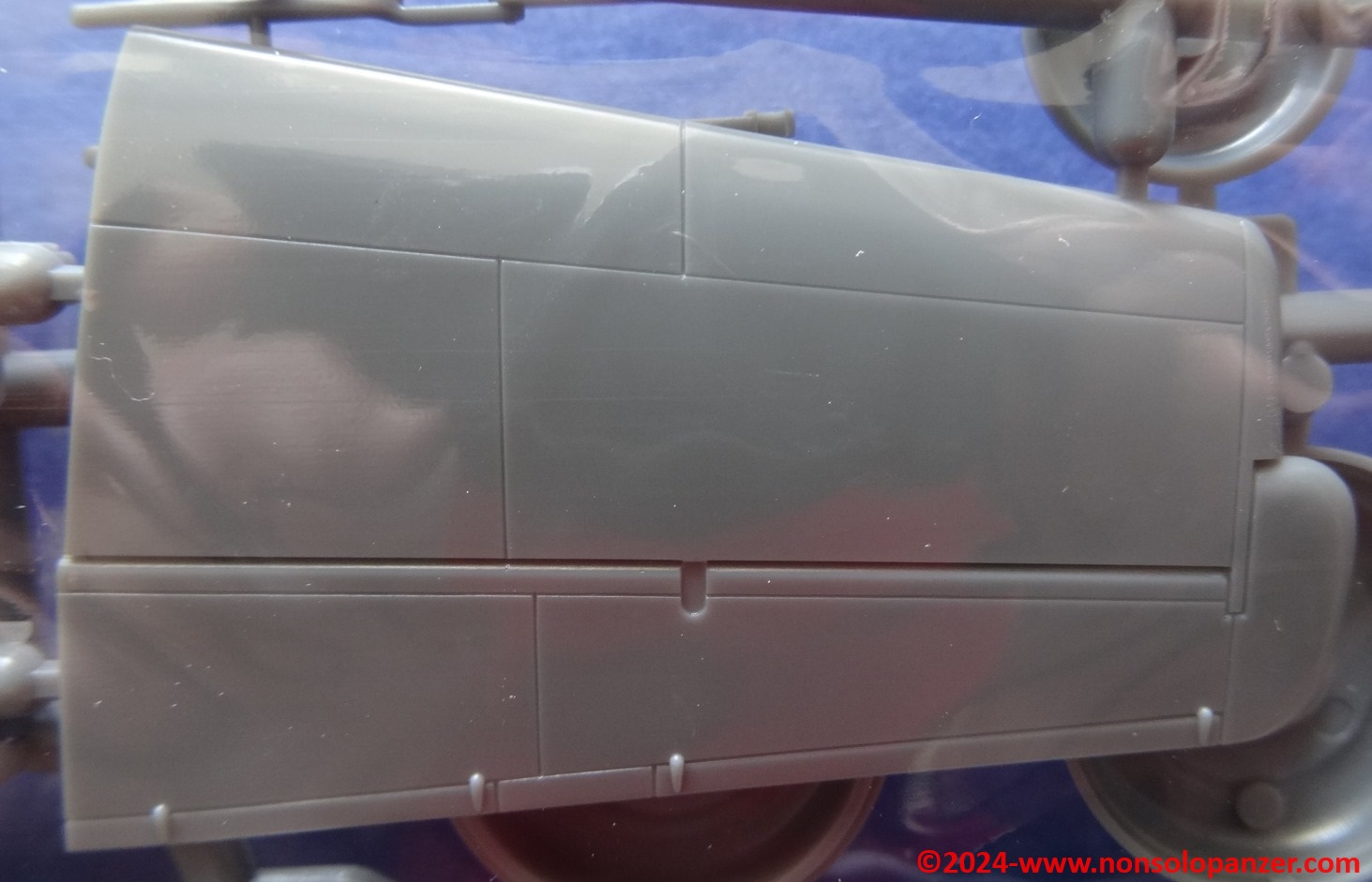
Il kit Tamiya rientra a pieno titolo nell’elevato standard qualitativo della nota società giapponese. Ai giusti elogi che si merita ogni prodotto Tamiya si aggiunge anche la mia esperienza diretta. Alcuni anni fa, infatti, costruii il Do-335 A, kit gemello del Do-335 B2 differenziandosi quest’ultimo solo per l’aggiunta dei due Maschinenkanone alari e dal cupolino modificato per alloggiare due retrovisori. Posso, quindi, garantire che il modello è splendidamente realizzato con una cura nella progettazione che ne garantisce il facile montaggio.
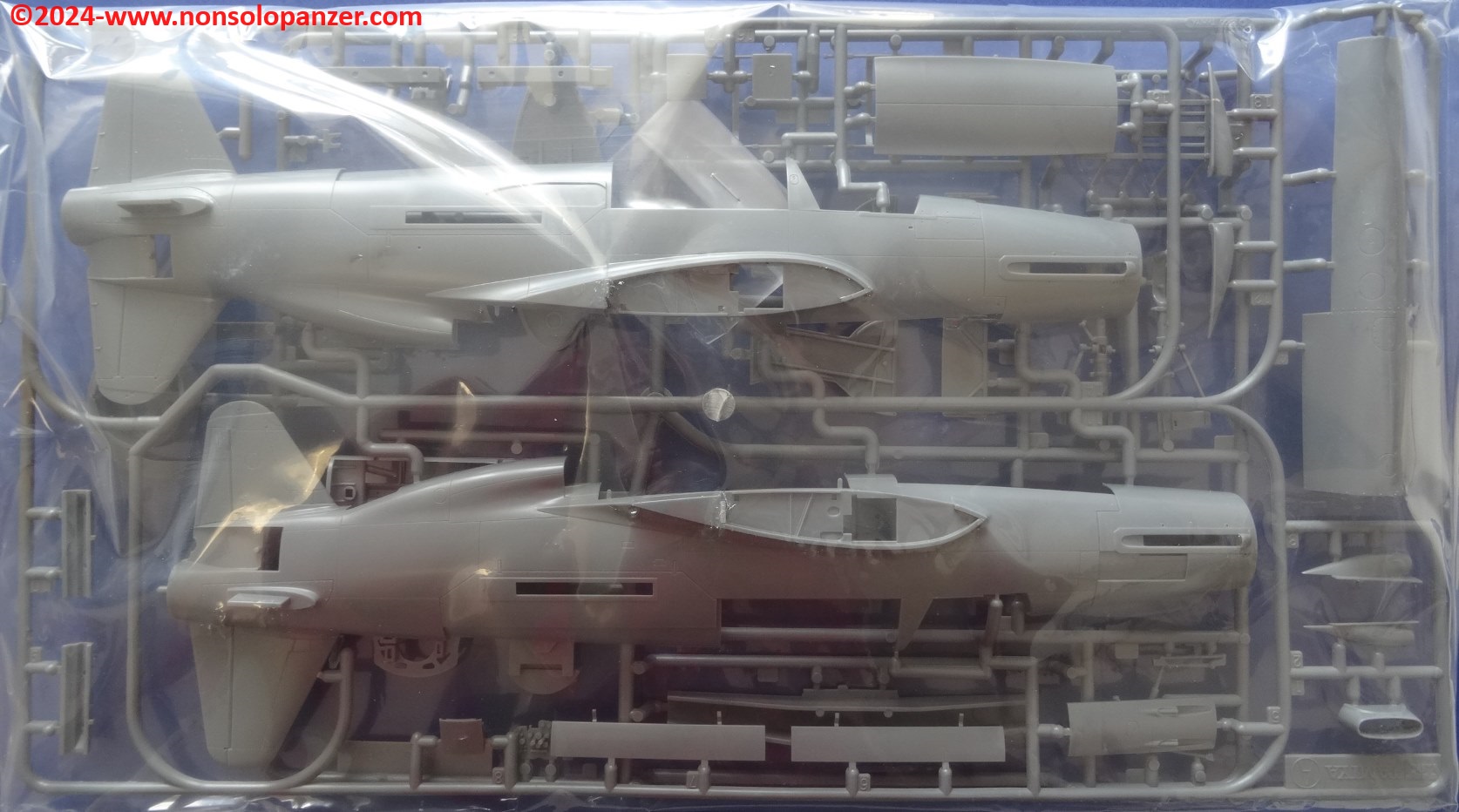
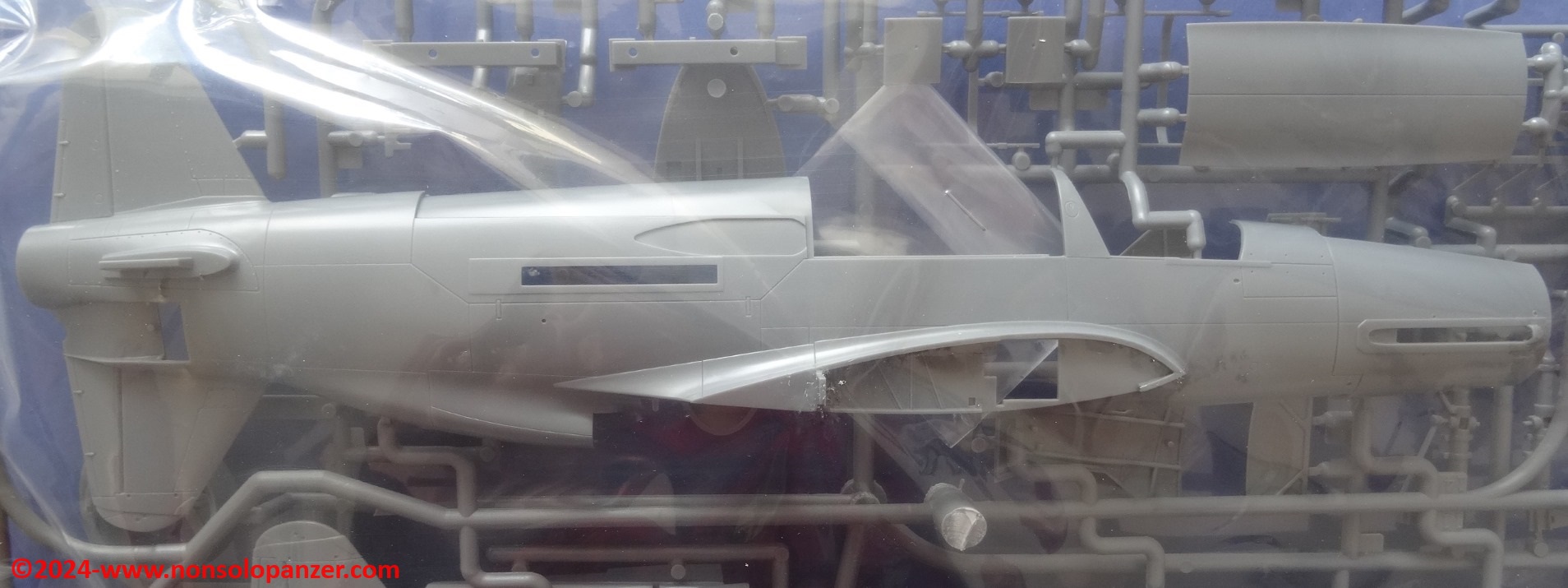
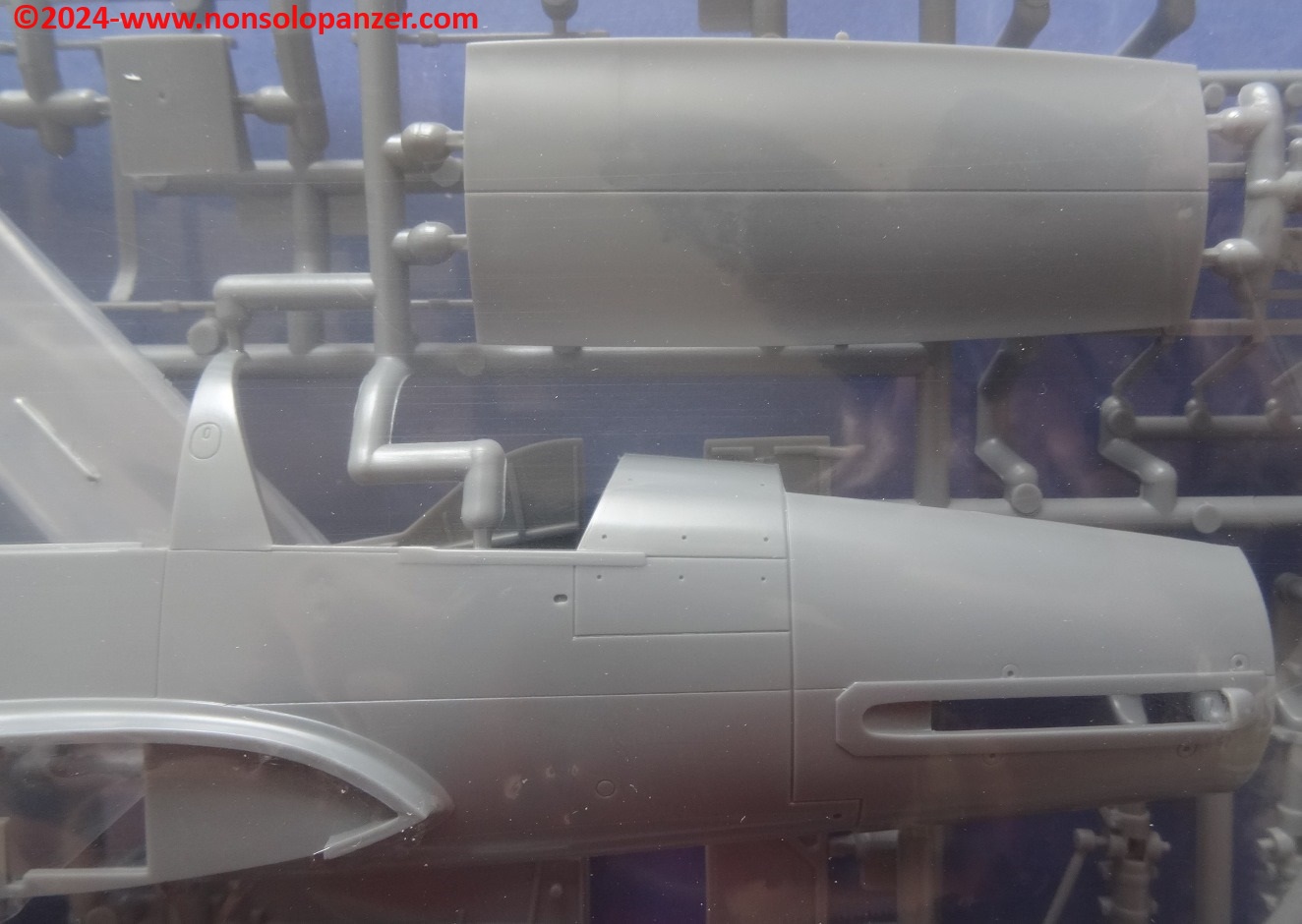

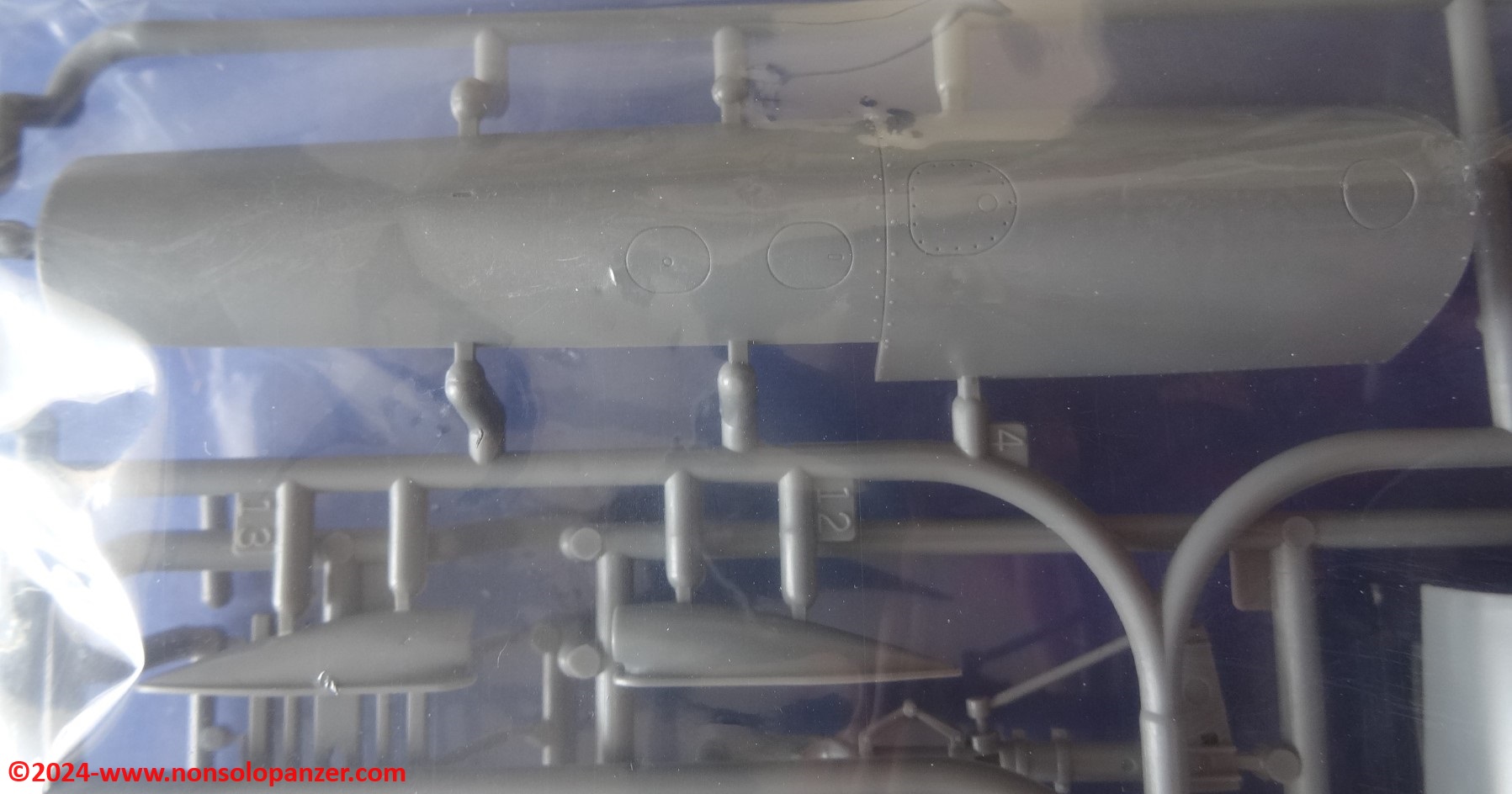
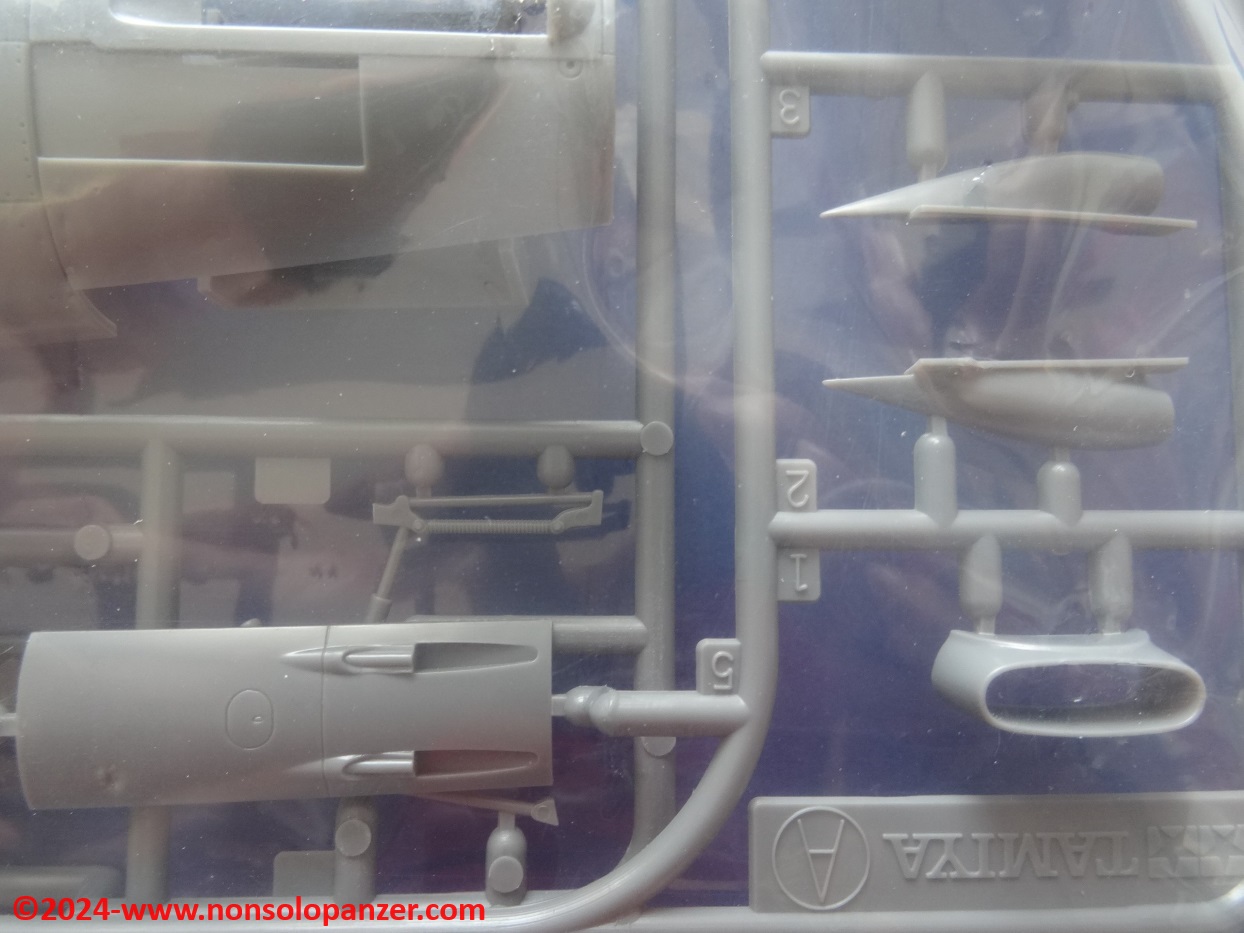

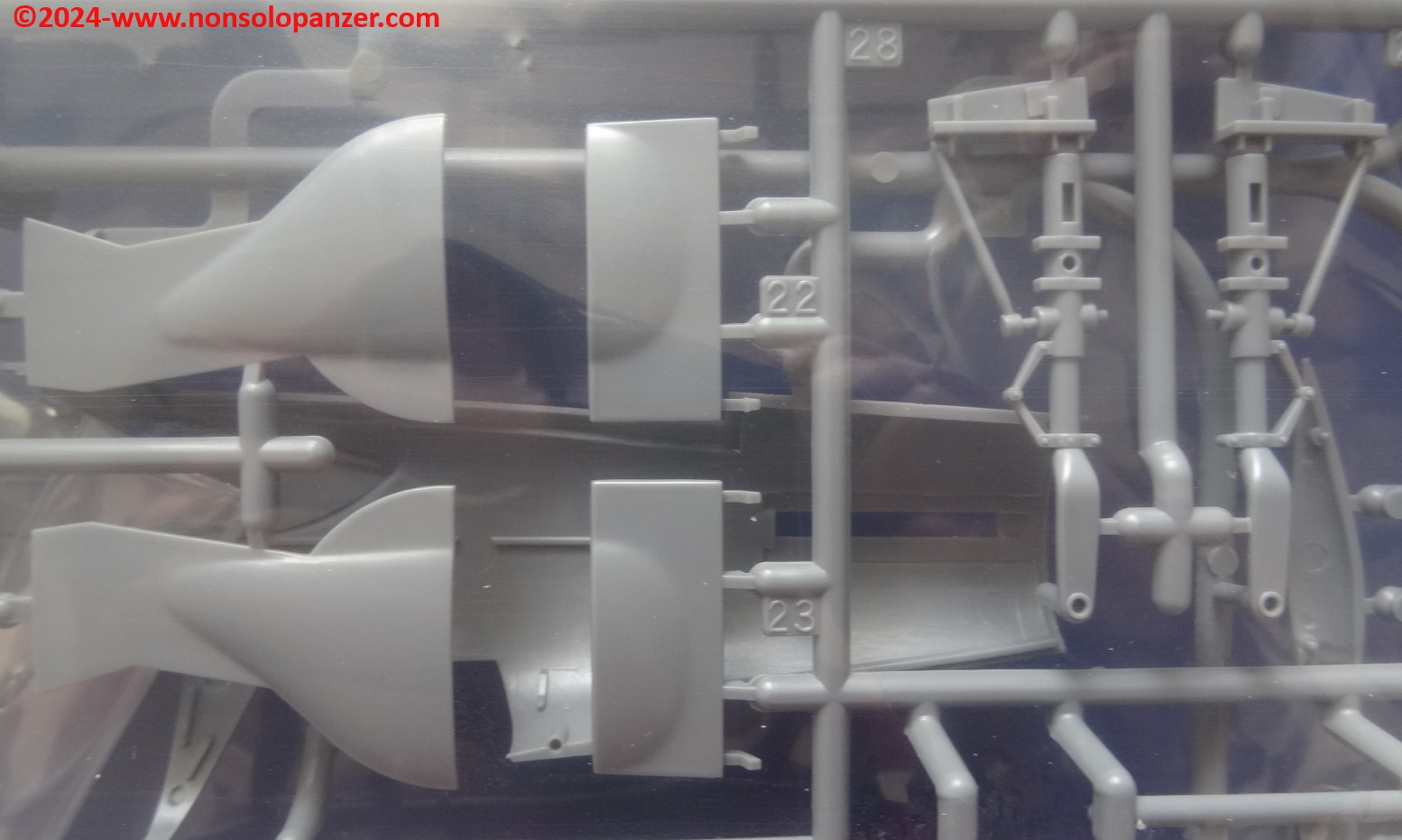
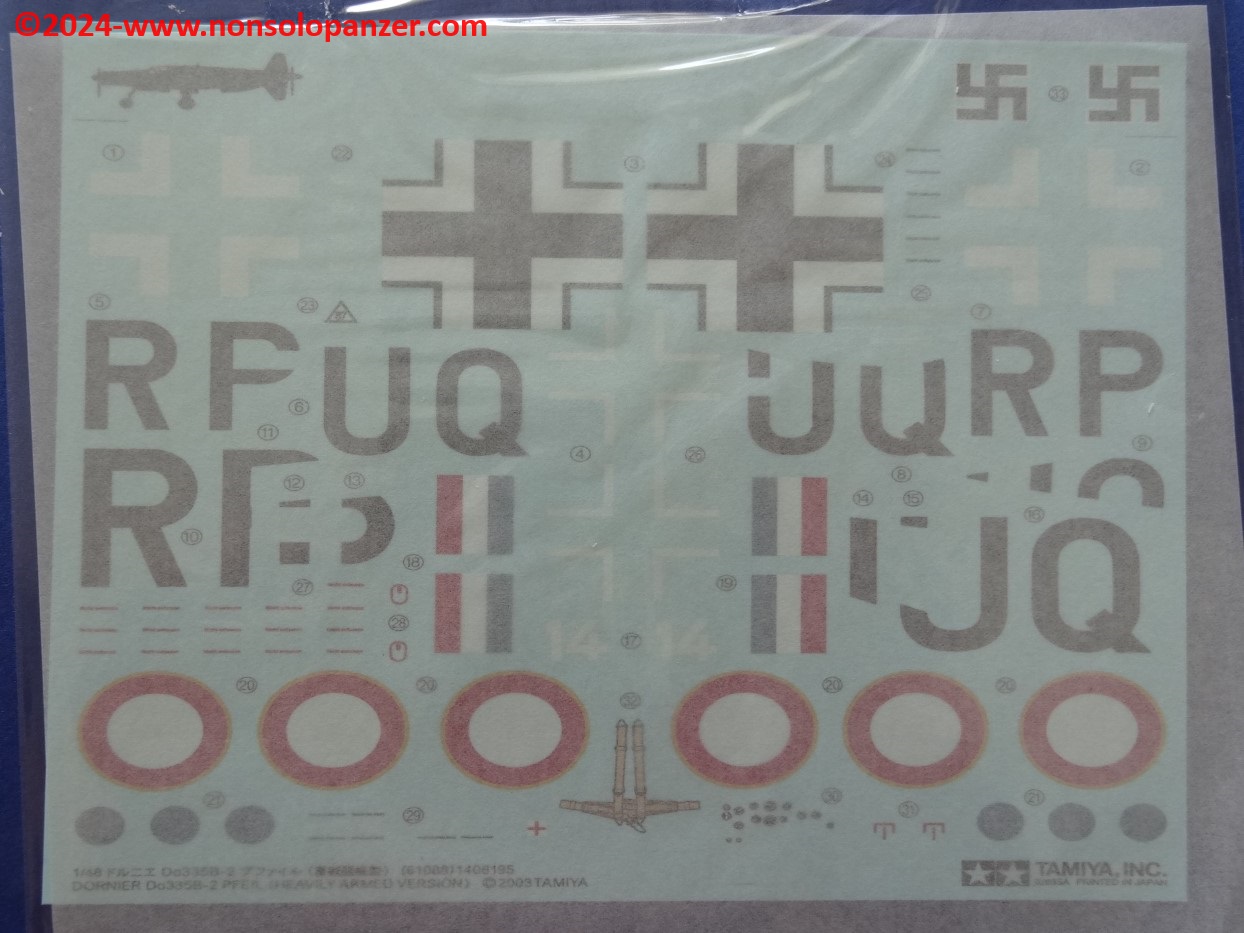
Benché il Do-335 B2 sia una speciale variante del Do-335 A, ho intensione di usare questo kit per realizzare la versione caccia notturno del Do-335 utilizzando una serie di set addizionali che renderanno il modello estremamente originale.
English Language
I don’t think this little blog is the right place to tell the complex story of the Dornier Do-335 fighter. The Internet and specialized books offer much more reliable information than my limited expertise on the subject could do. That said, I consider the Do-335 to be one of the most striking aircraft developed by the German arms industry during World War II. The appeal of the Do-335 comes from numerous aspects. Leaving aside the pure aesthetics, there are two attractions that are irresistible to me: the tandem engines and the concept of “Zerstörer” of which the Do-335 was the maximum and final expression. The Do-335 is distinguished by two engines installed in the fuselage, one in the bow with a pulling movement and one in the stern with pushing rotation. With the advent of jet propulsion, this technical solution was abandoned after the war, although the Do-335 is considered the fastest propeller-driven aircraft of the conflict. This record is even more significant given the size of the aircraft. The Do-335 was, in fact, a multi-role heavy fighter responding to the “Zerstörer” concept. According to Luftwaffe theorizing, “Zerstörer” was a type of aircraft with the dual role of battering ram in attacks against enemy air formations and as a long-range interceptor/fighter-bomber. Such functions required robustness and large-caliber armament that only a twin-engine aircraft could offer and, in fact, the famous Messerschmitt Bf 110 was a “Zerstörer” fighter. As the ultimate evolution of the “Zerstörer” concept, the Do-335 was to be the successor to the Messerschmitt Bf 110 and incorporated countless technological innovations (including the pressurized cab and the ejection seat) as well as the experience gained with two other transitional “Zerstörers“: the Messerschmitt 210 and 410. The end of the war, the advent of jet engines and the few dozen pre-production specimens sanctioned the abandonment of further developments of the theories and technical expedients embodied in the Do-335 which, nevertheless, still feeds the curiosity and admiration of all aviation and military history enthusiasts. Among the various versions of the Do-335, I’m particularly attracted by the Do-335 B2 reproduced in 1/48 scale in the nice Tamiya kit object of this article.
The Do-335 B2 has the particularity of being equipped with two additional 3cm Mk-103 cannons housed in the wings. Among all versions of the Do-335, the B2 is certainly the most powerfully armed and best suited to the “Zerstörer” concept. Thanks to the range and power of the 3cm Mk-103, the Do-335 B2 would have represented a lethal bomber interceptor and an effective ground attack aircraft.
The Tamiya kit is fully part of the high quality standard of the well-known Japanese company. In addition to the praise that every Tamiya product deserves, there is also my first-hand experience. A few years ago, in fact, I built the Do-335 A, a twin kit of the Do-335 B2, the latter differing only in the addition of the two wing Maschinenkanones and the windshield modified to house two rear-view mirrors. I can, therefore, guarantee that the model is beautifully crafted with a care in the design that ensures its easy assembly.
Although the Do-335 B2 is a special variant of the Do-335 A, I intend to use this kit to make the night fighter version of the Do-335 using a series of additional sets that will make the model extremely original.
 NonSoloPanzer