
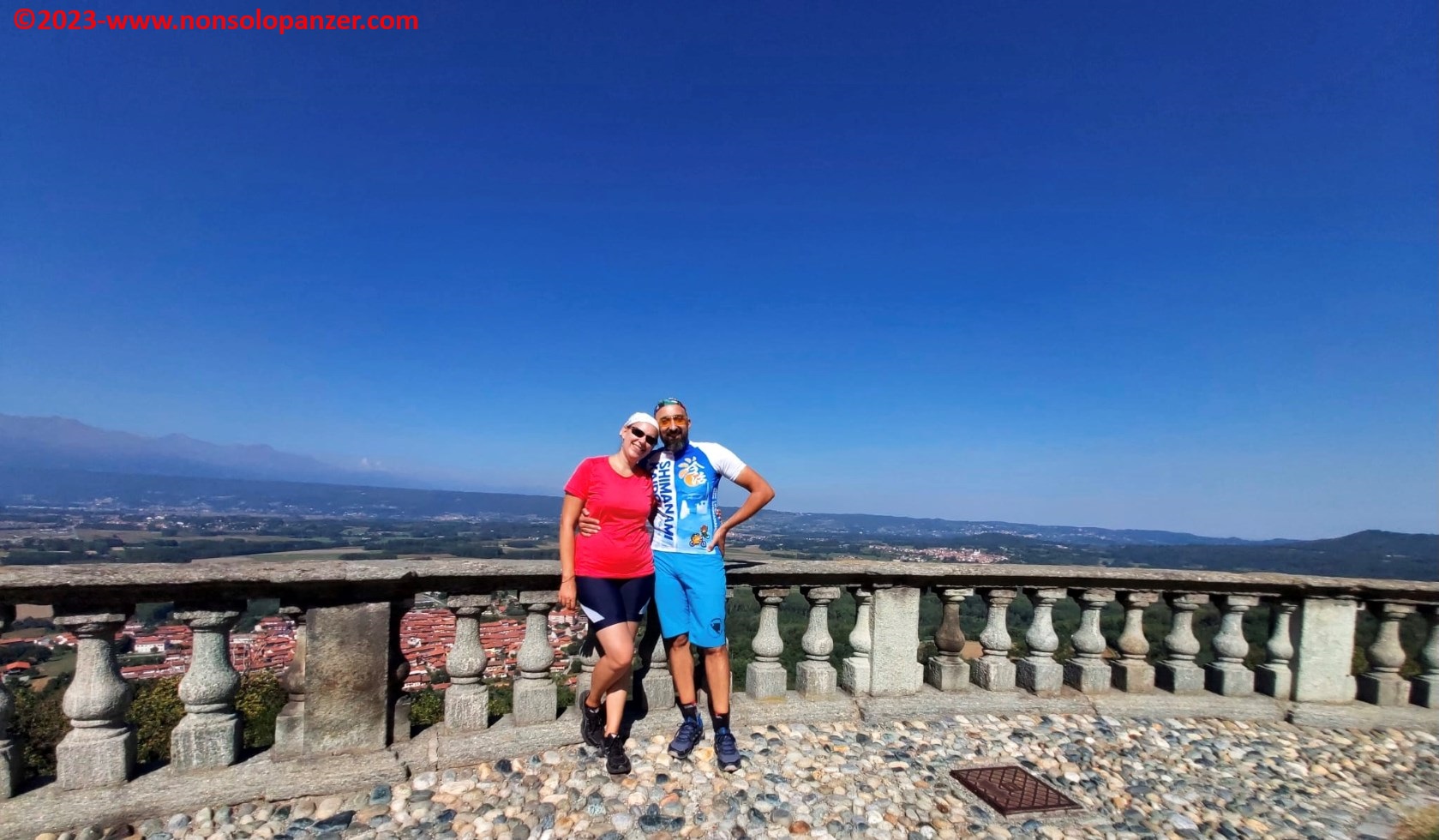
Lo scorso maggio, ho visitato il Salone del Libro di Torino in compagnia della mia dolce metà, assidua frequentatrice dell’evento ed appassionata lettrice. Fra gli acquisti fatti dal sottoscritto, spiccava un manuale dedicato al Vermouth di Torino, il vino aromatizzato alla base dei cocktail più famosi e icona storica piemontese. La lettura di questo breve ma interessante saggio mi ha offerto una serie di spunti molto stimolanti non solo per quanto riguarda il mondo del Vermouth ma anche relativamente ai luoghi d’eccellenza del Piemonte. Uno di essi è proprio il Castello di Masino, destinazione del giro in bici oggetto di questo articolo.
La mattina di sabato, 9 settembre, siamo partiti da casa con la potente Opel “Mokka” a cui avevo montato il porta biciclette Thule con due Atala a pedalata assistita. A metà mattina siamo arrivati a Caluso dove abbiamo parcheggiato in un’ampia area di sosta ed abbiamo scaricato le bici.
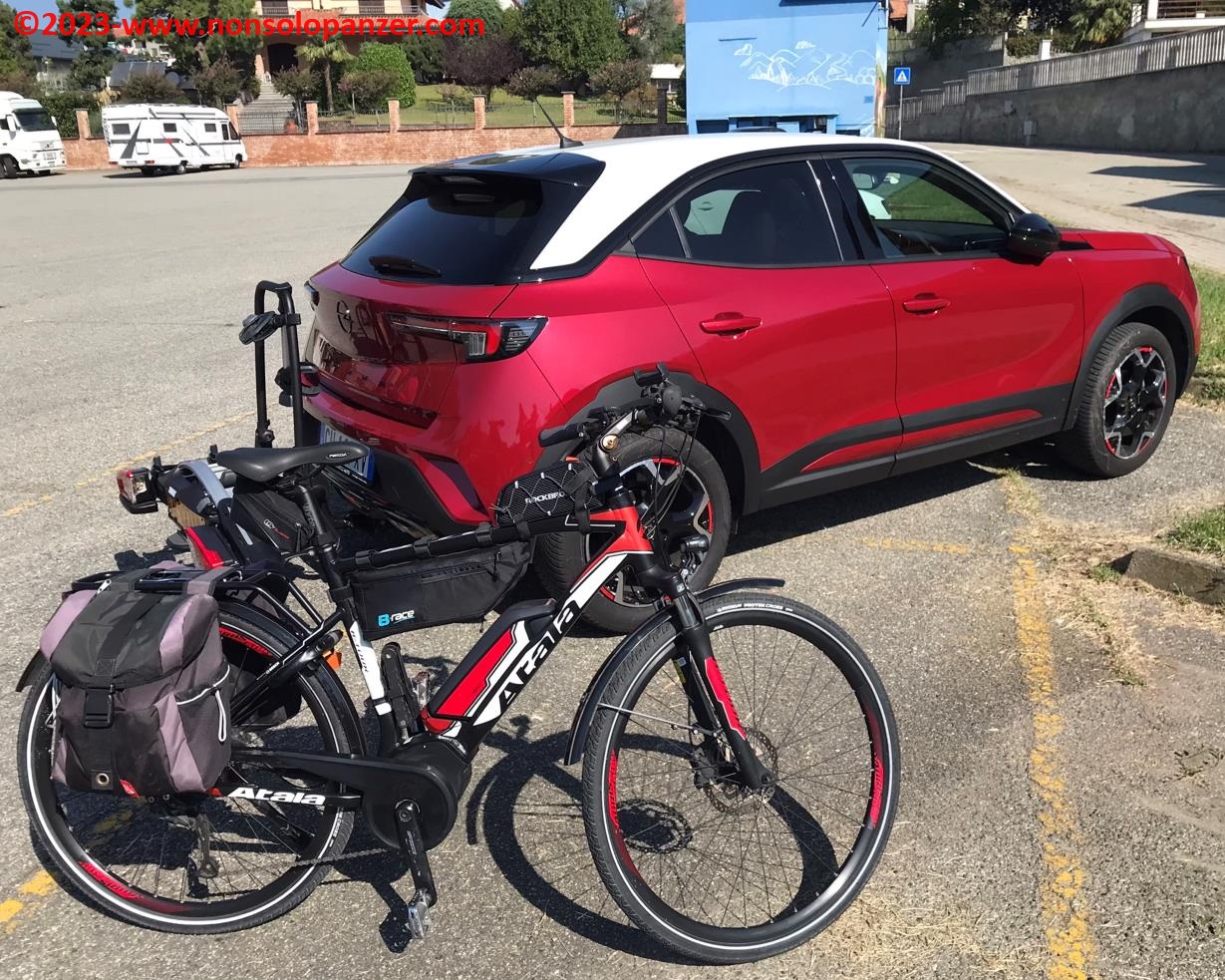
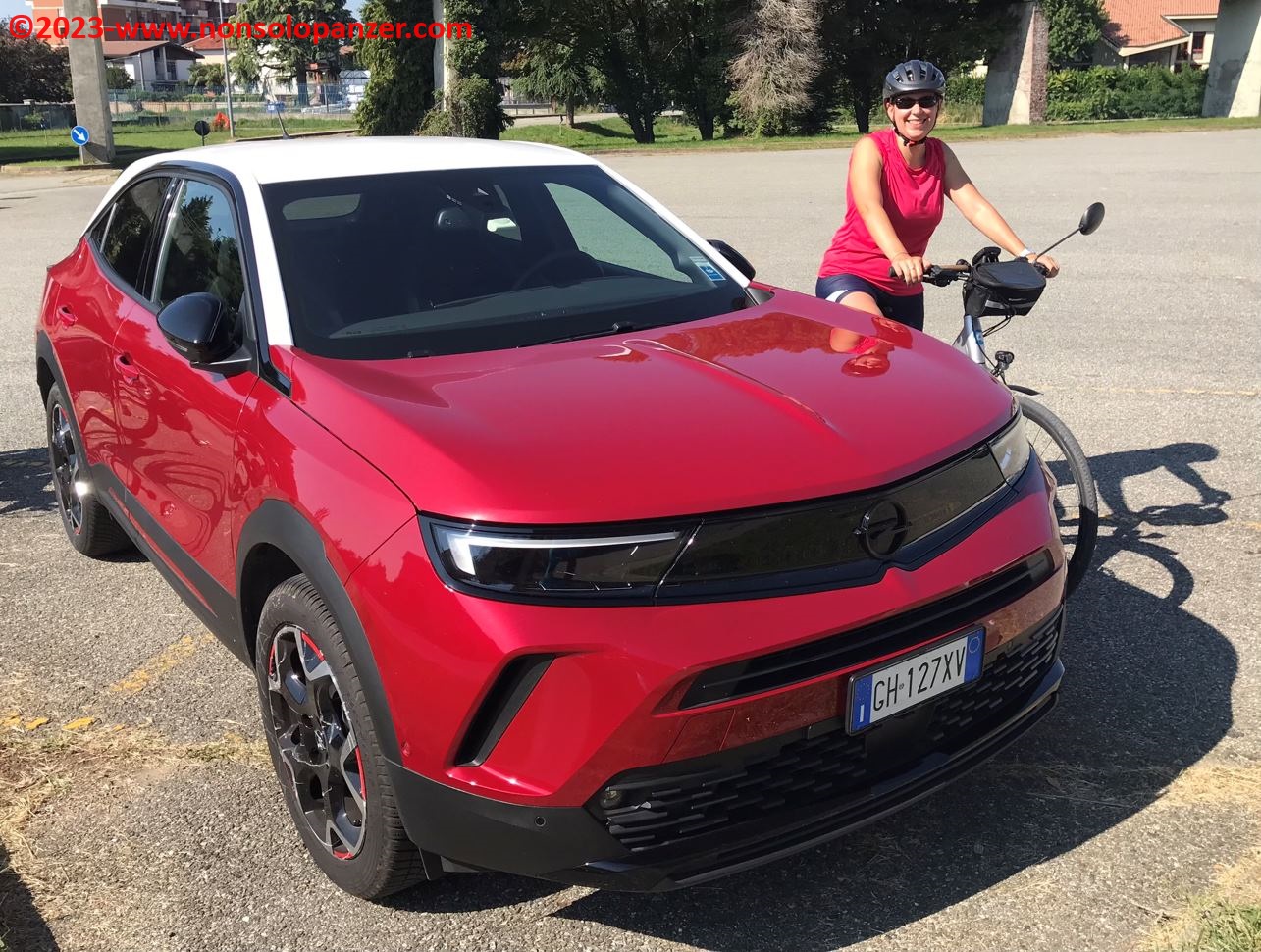
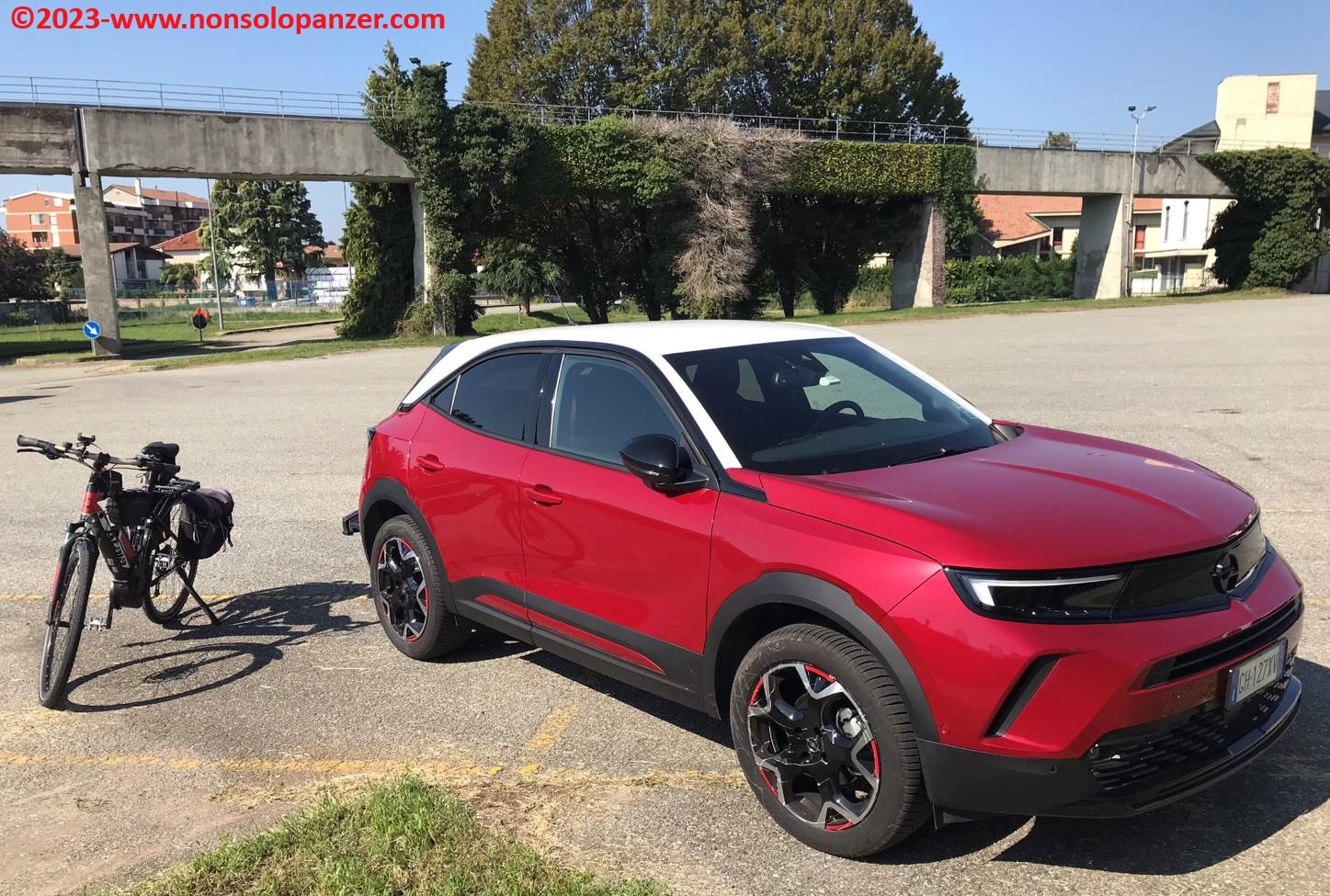
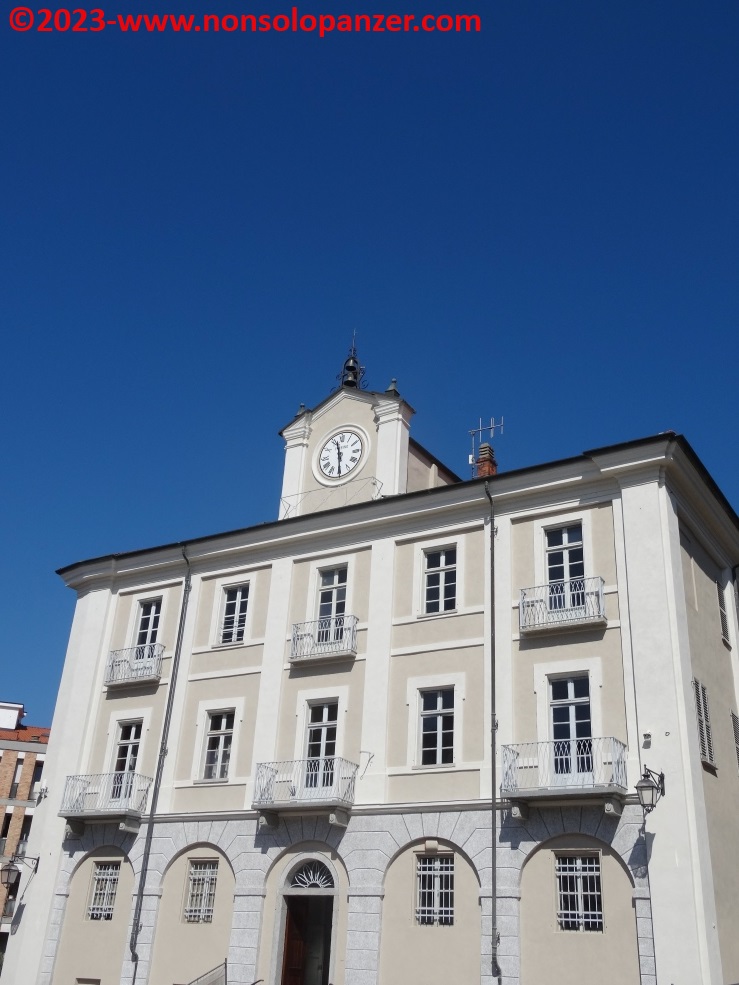
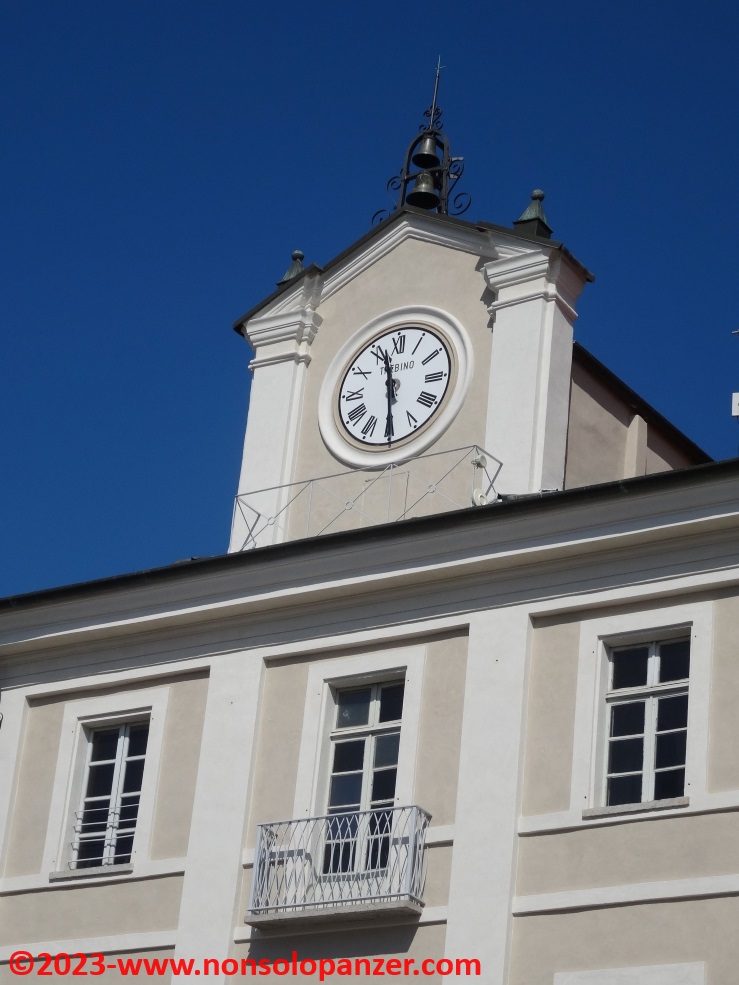
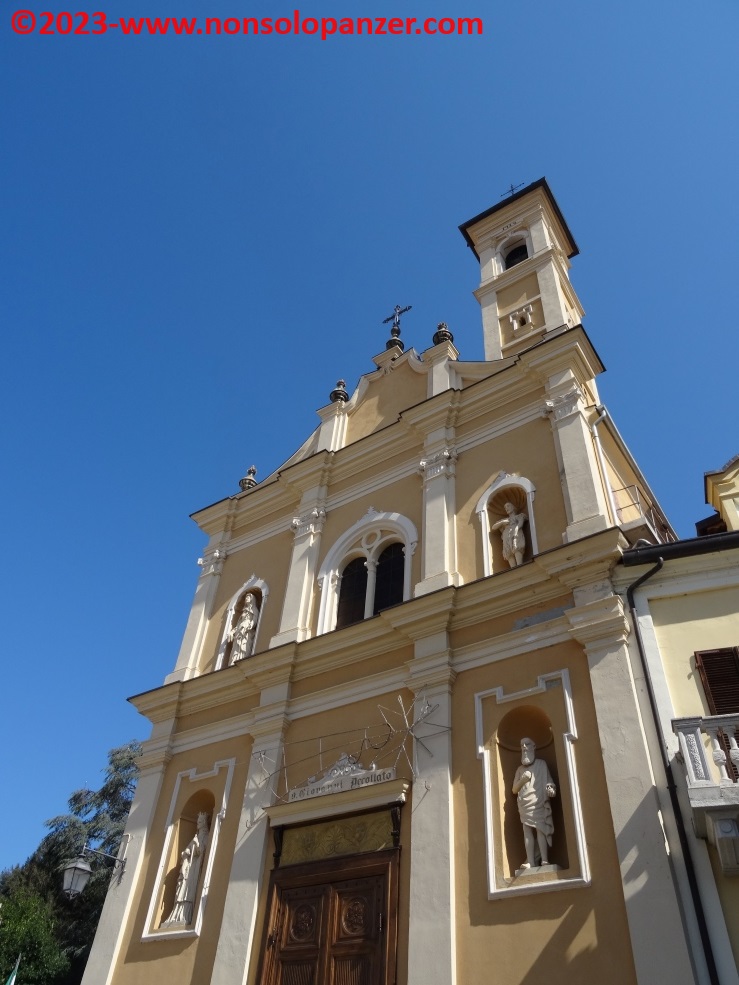
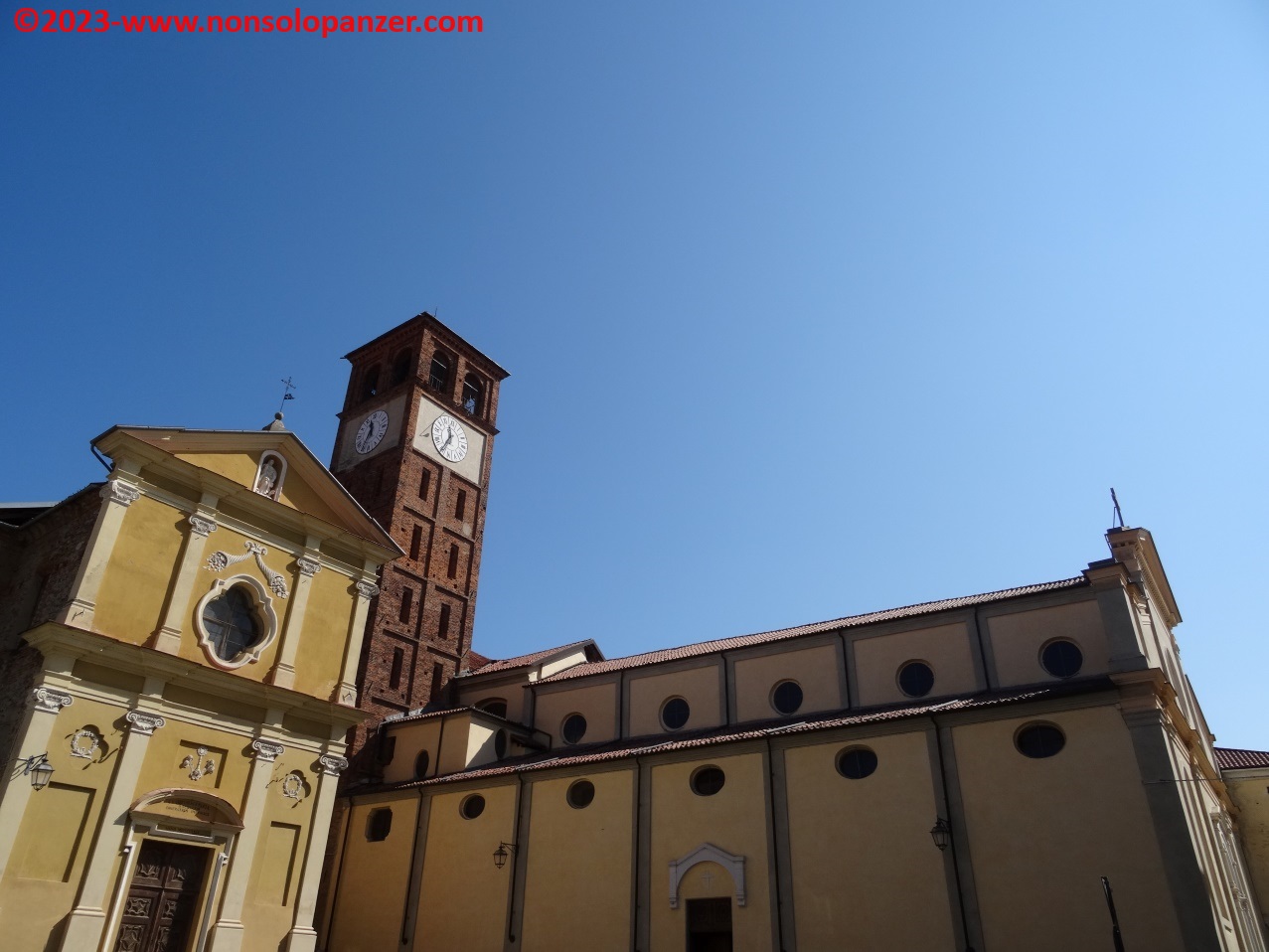
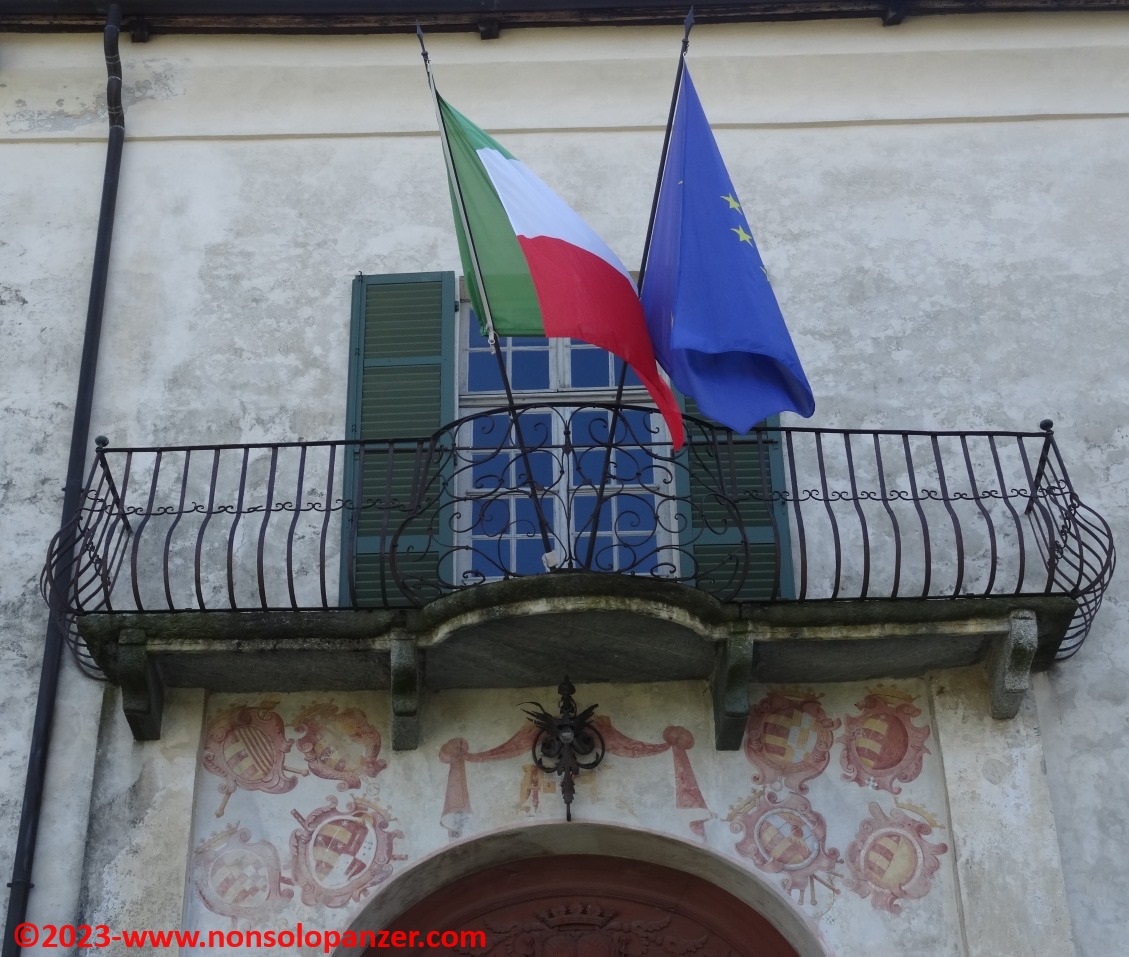
Caluso è un comune la cui storia è legata alla coltivazione dei vigneti da cui si ottiene l’Erbaluce, il vino usato fin dal ‘700 come base del Vermouth di Torino. Il paese è ricco di edifici che testimoniano i fasti passati ed il legame, ancora oggi fortissimo, con la coltivazione dei vigneti che costellano il Canavese. Fra le attività commerciali che celebrano l’Erbaluce, spicca l’enoteca regionale collocata al piano terra del Palazzo Valperga Masino, ora sede del Comune di Caluso.
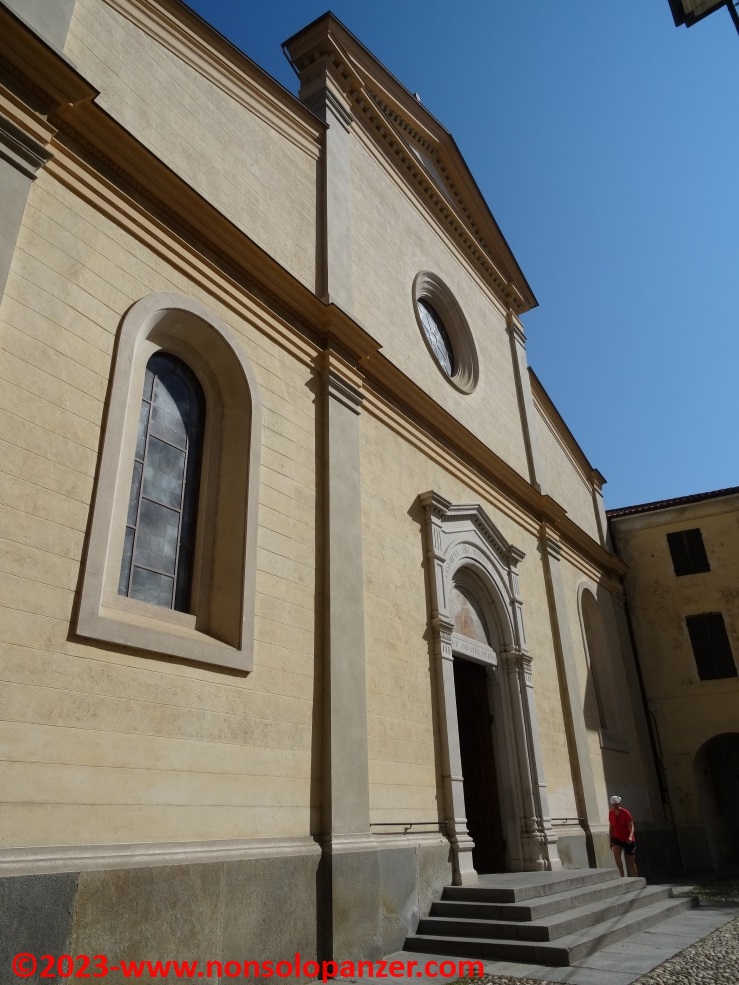
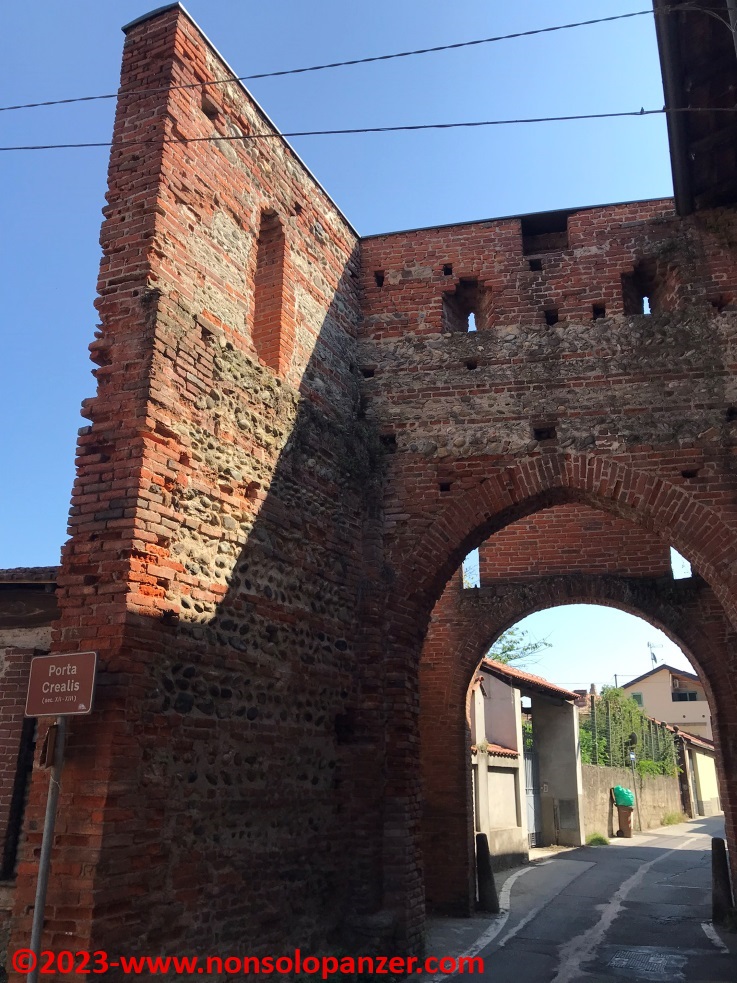
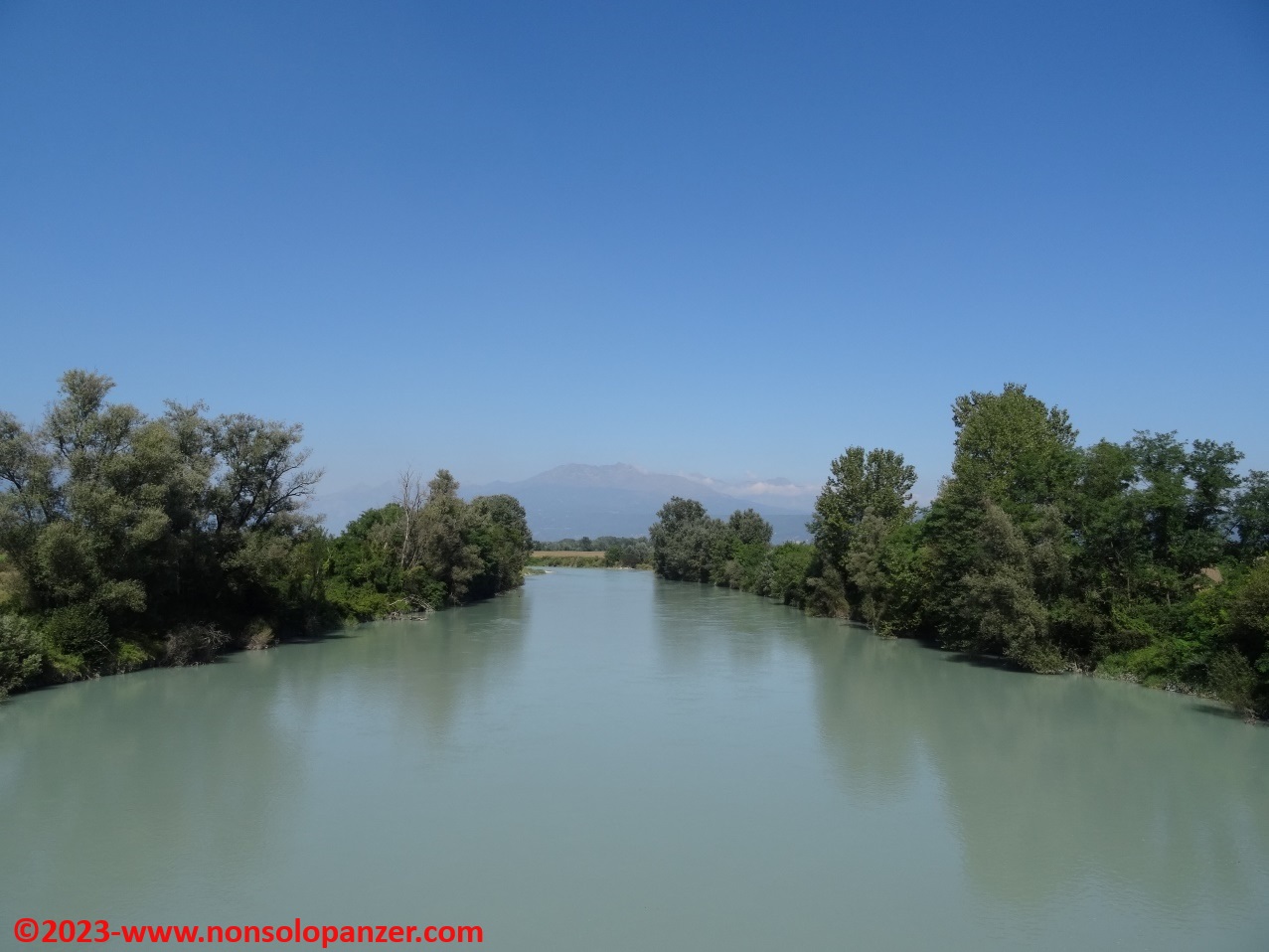
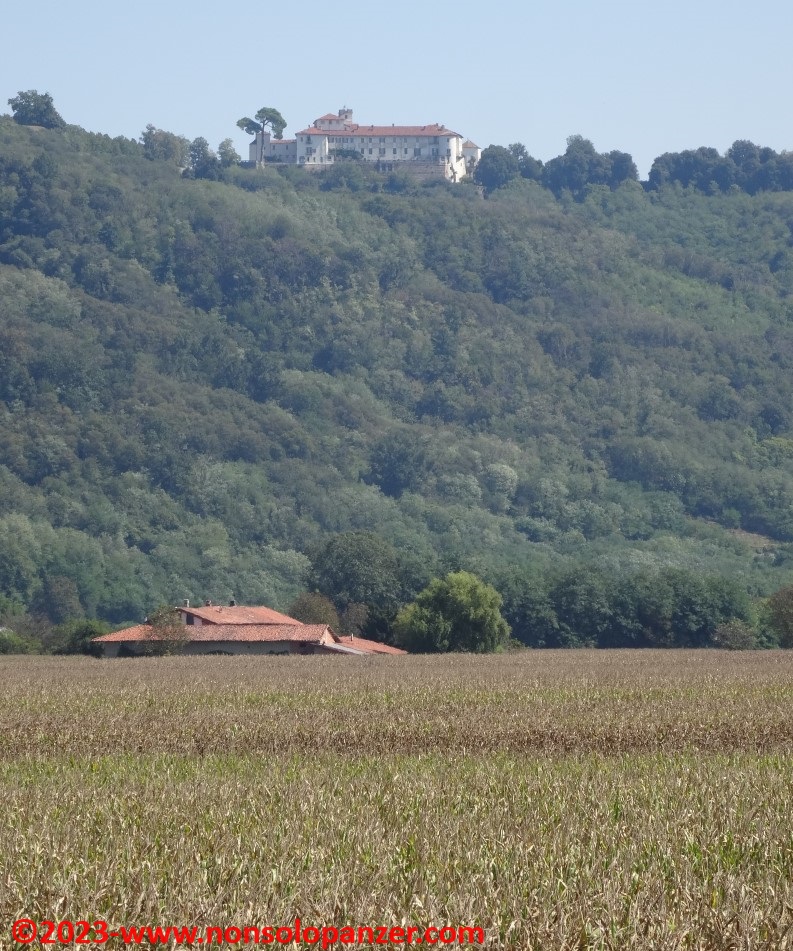
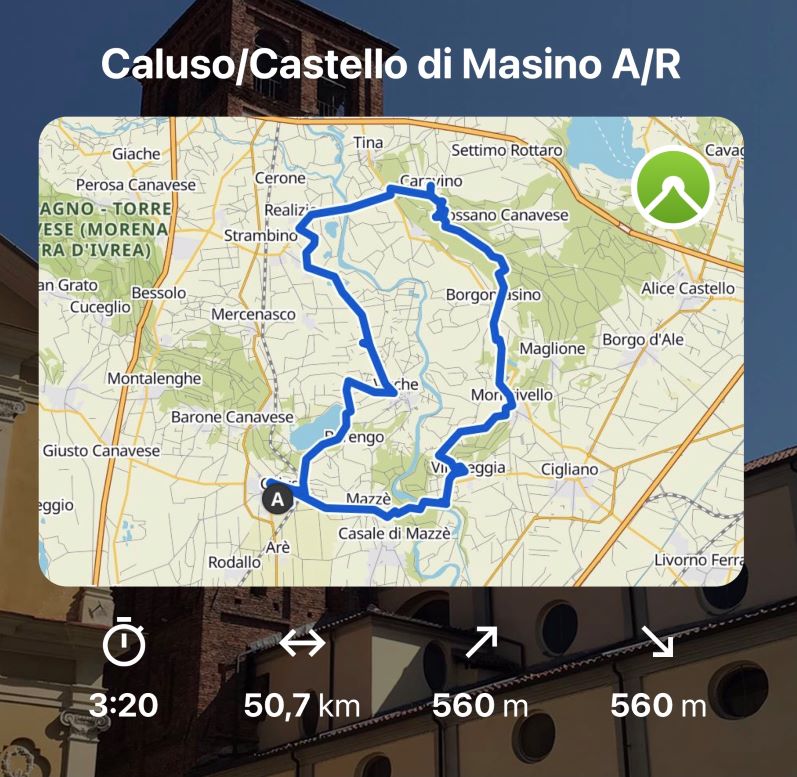
Usciti da Caluso, abbiamo percorso i 25 chilometri che ci separavano dal Castello di Masino. Abbiamo costeggiato il Lago di Candia, siamo passati per Vische e Crotte e siamo arrivati a Caravino attraversando un ponte sul fiume Dora Baltea da cui si godeva una bella vista sul castello e la campagna circostante.
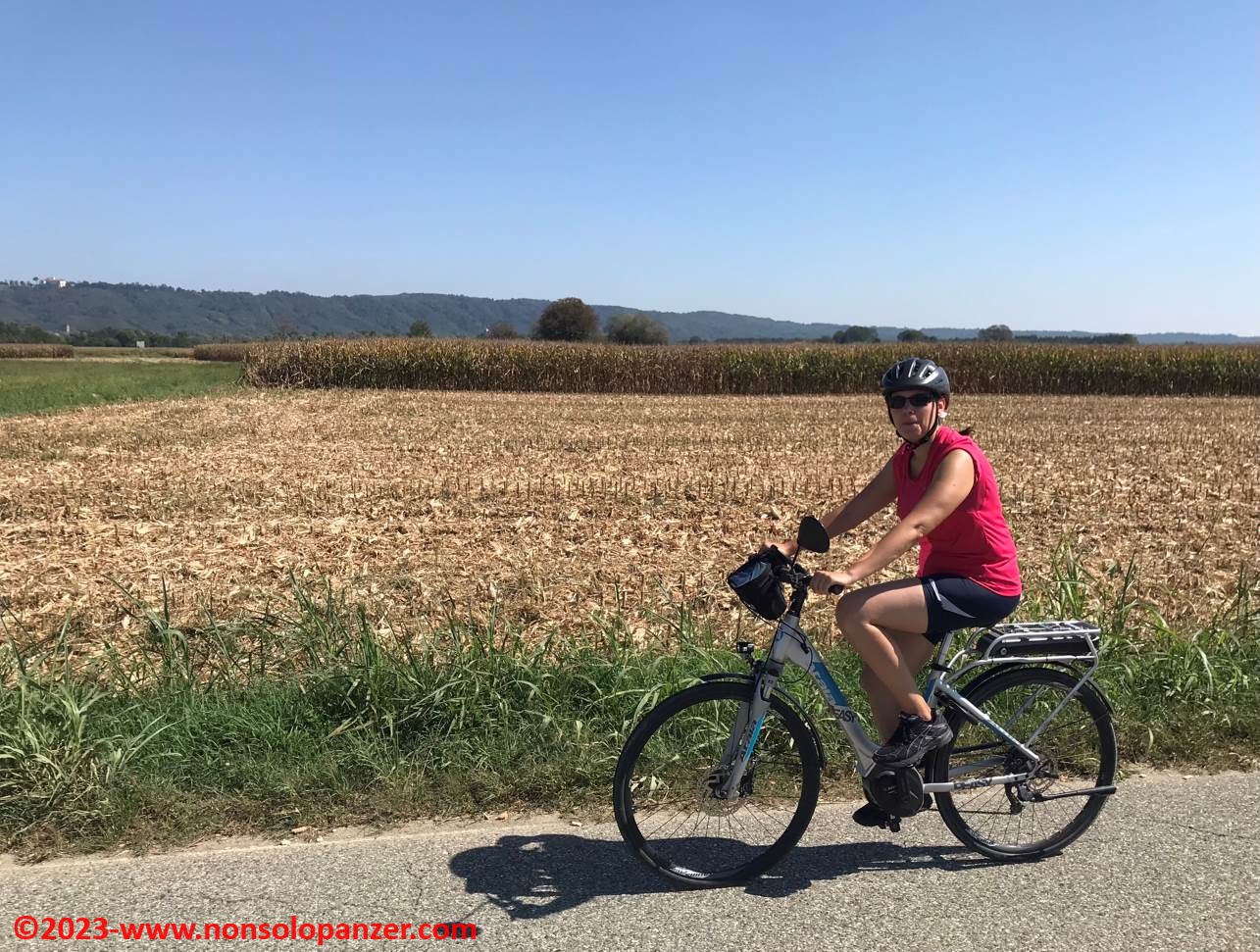
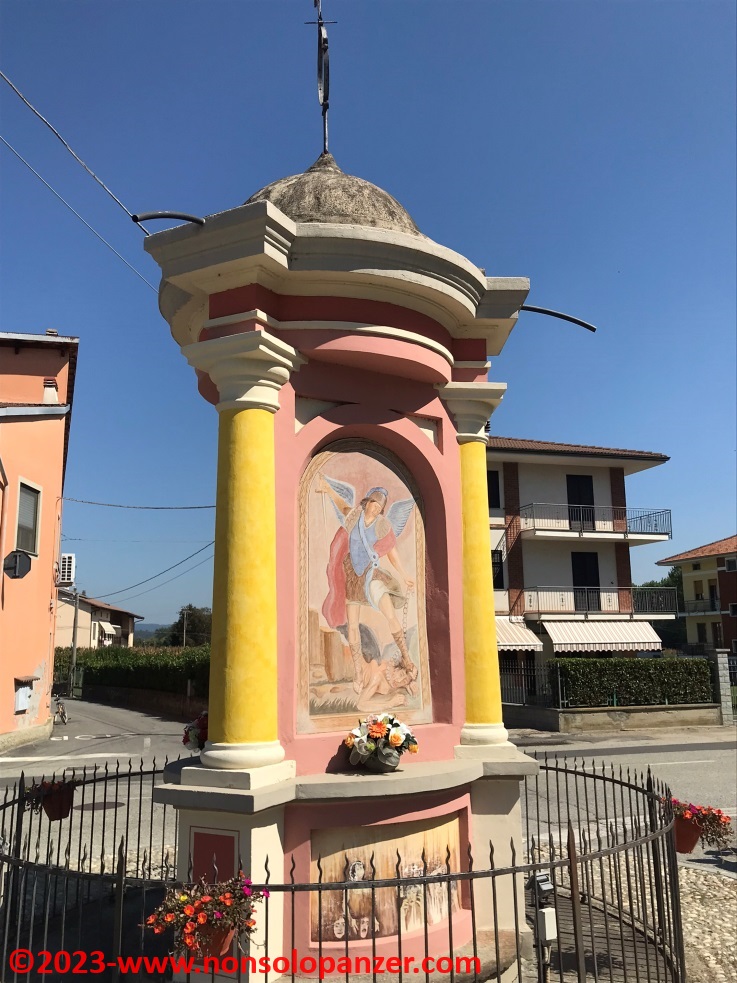
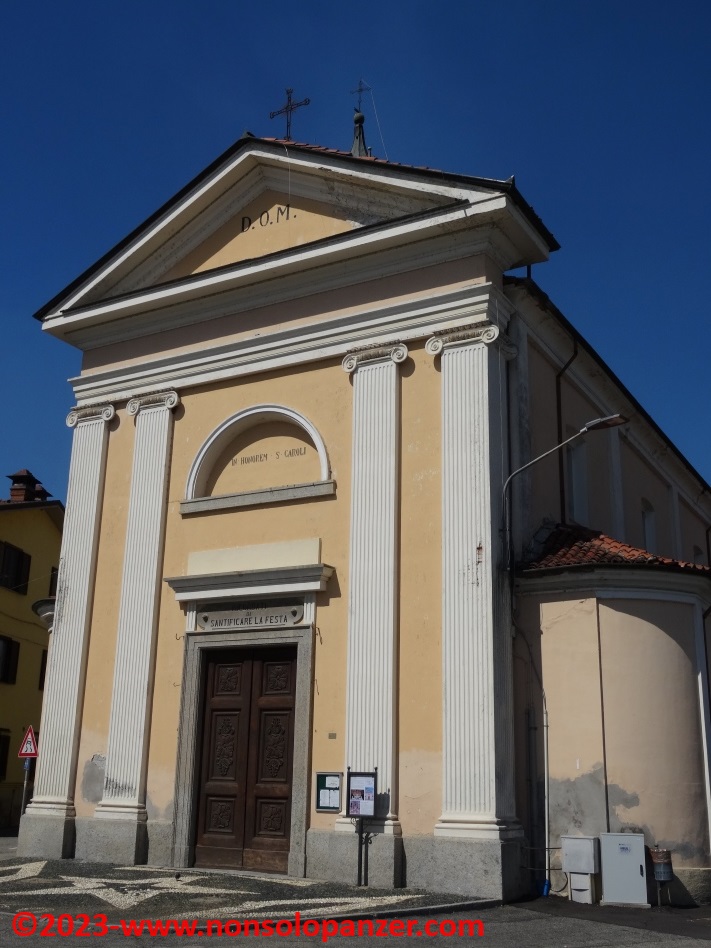
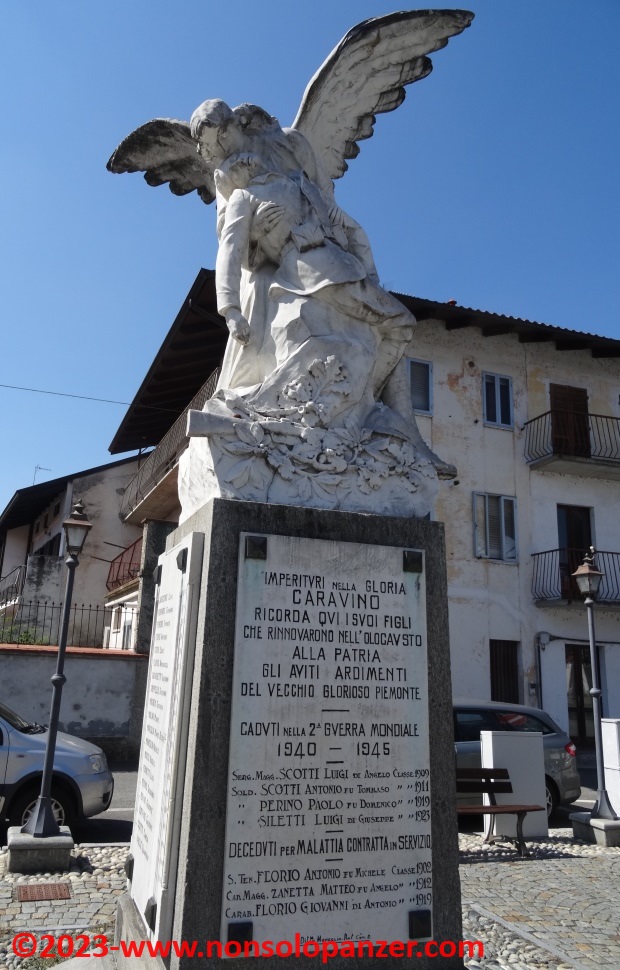
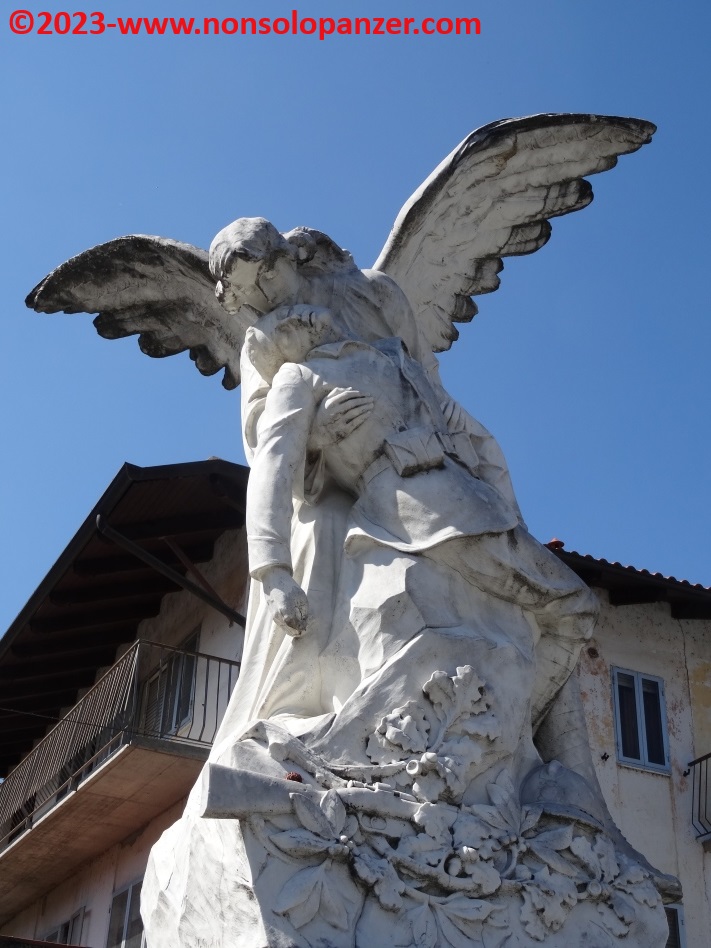
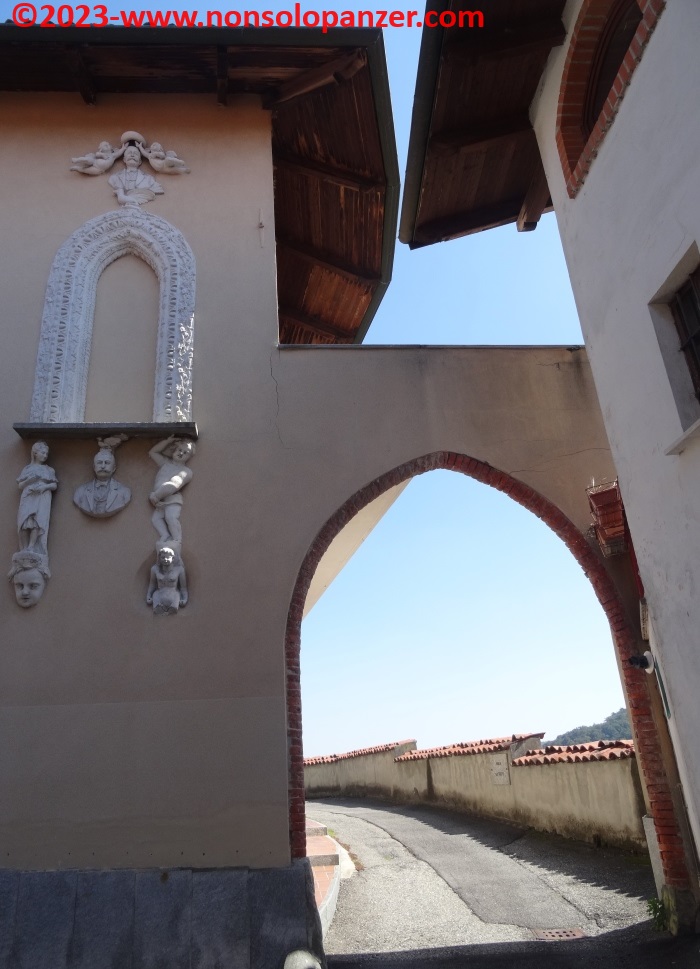
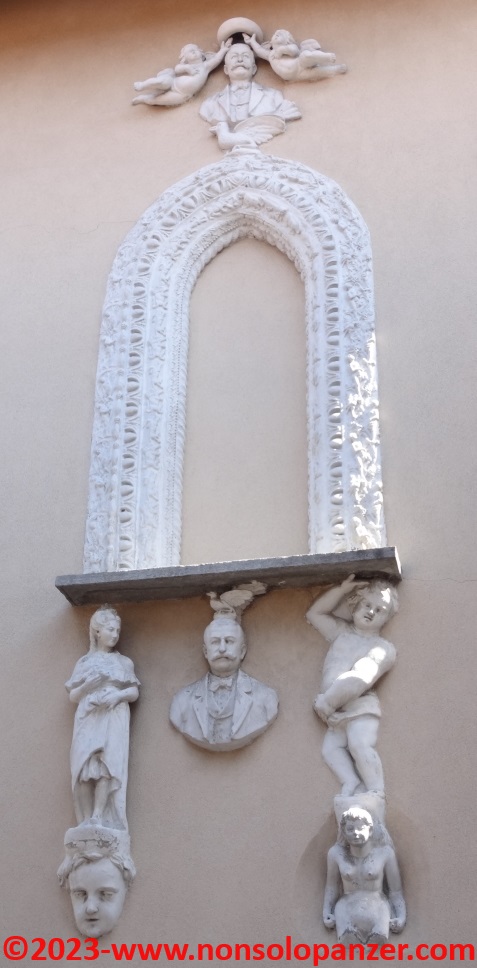
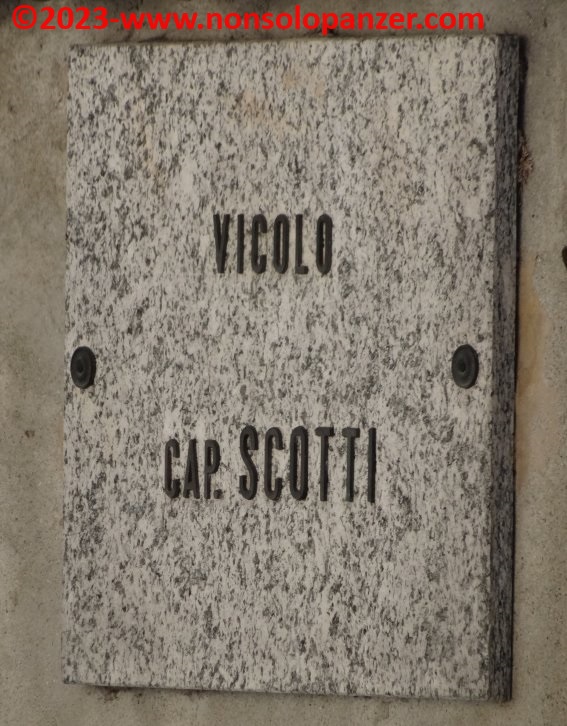
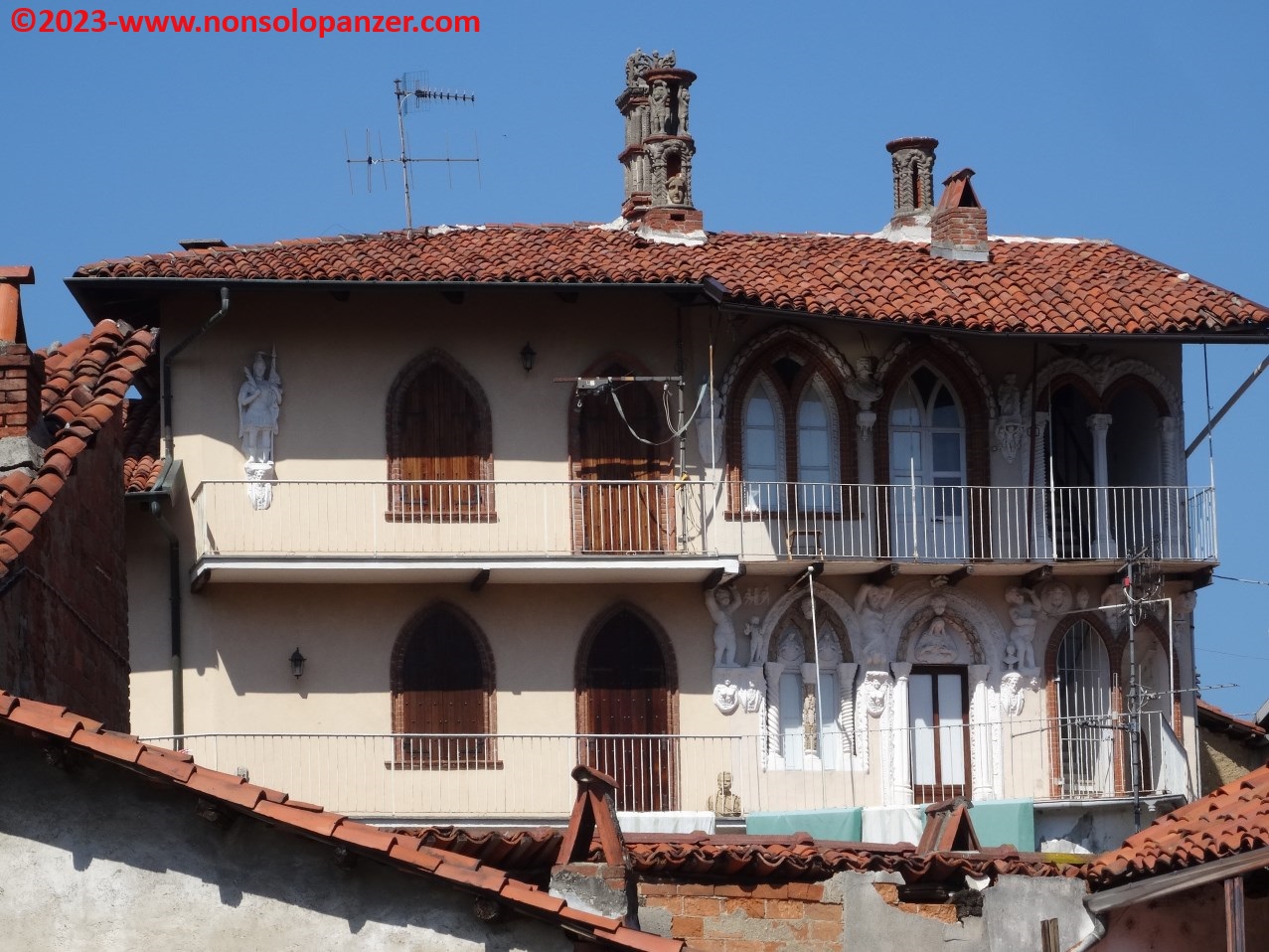
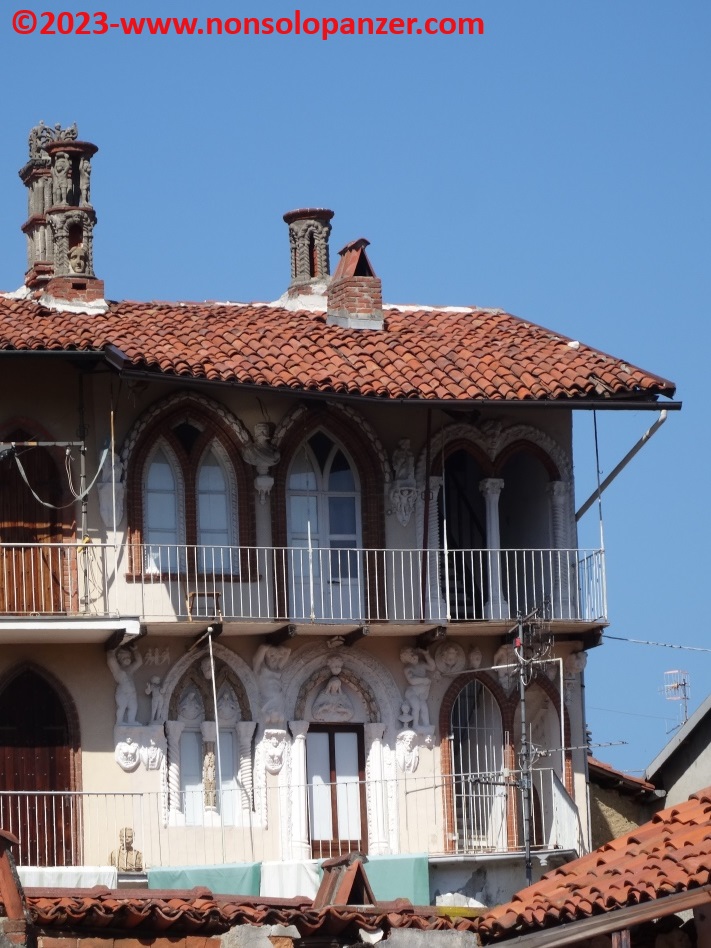
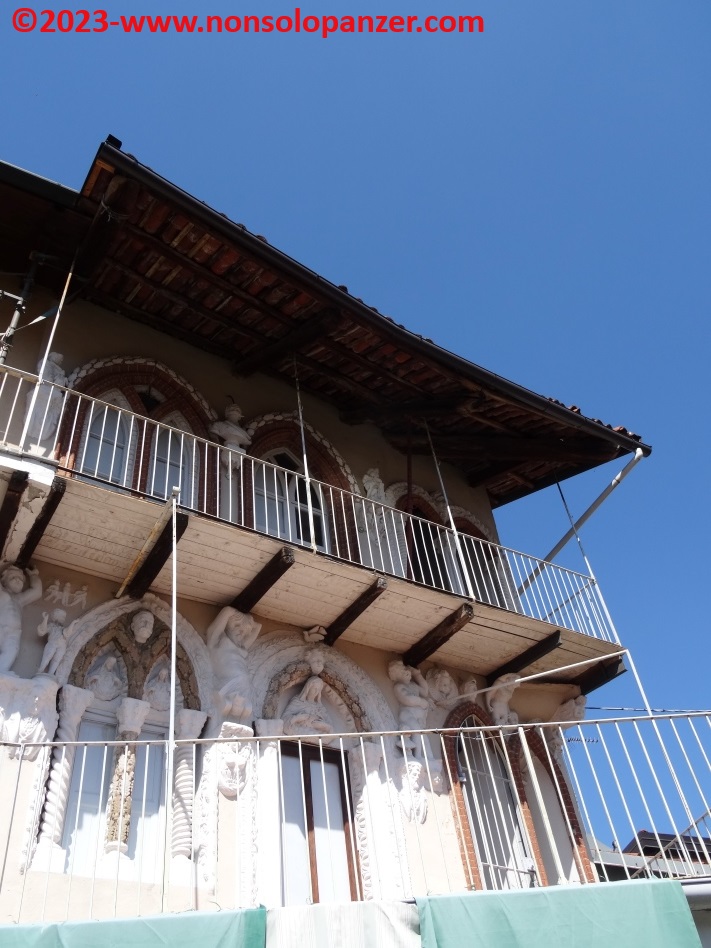
Caravino sorge alle pendici della collina su cui si staglia il Castello di Masino. Il paese ha certamente goduto dell’economia fiorente generata dal vicino castello. Passeggiando per il centro, è impossibile non notare il “Castellaccio”, uno stravagante edificio che sembra uscito da qualche racconto di stregoneria.

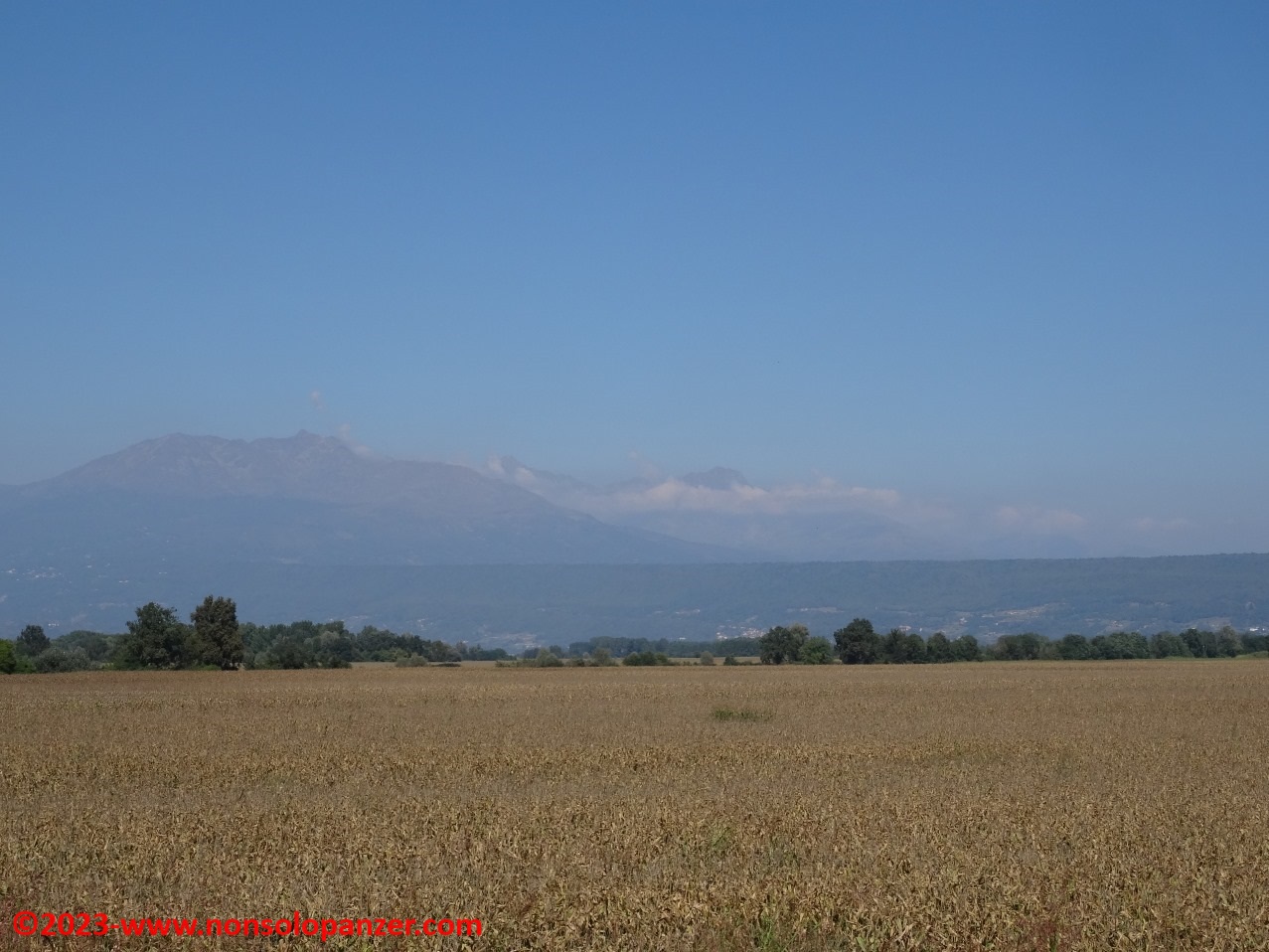
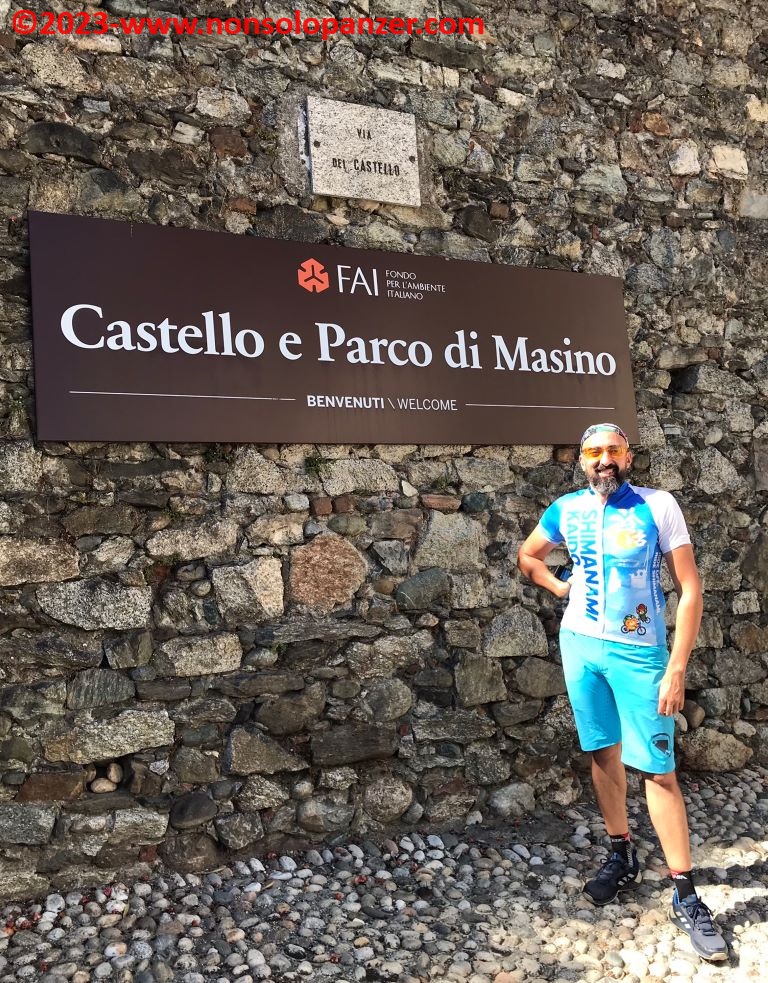
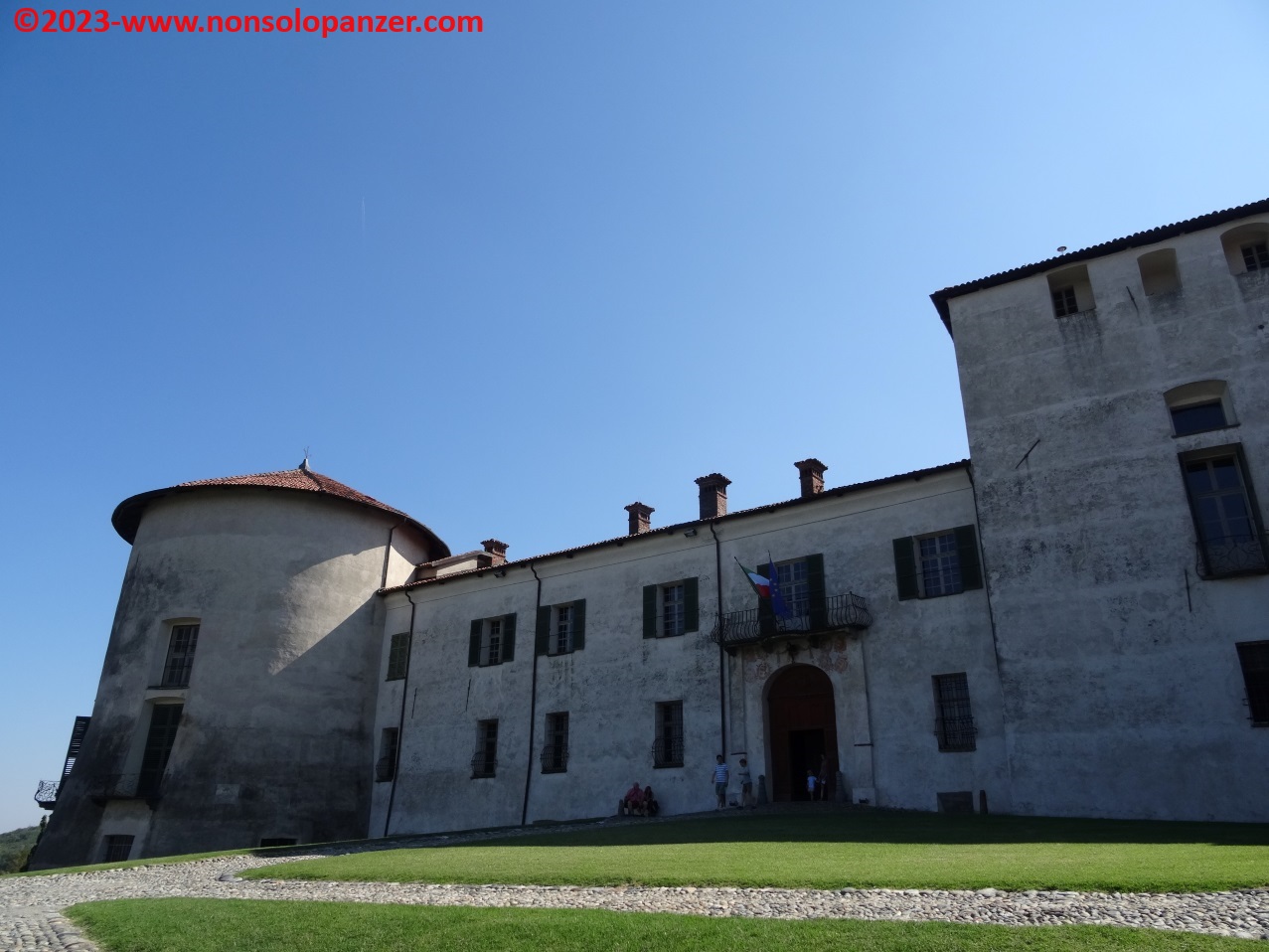
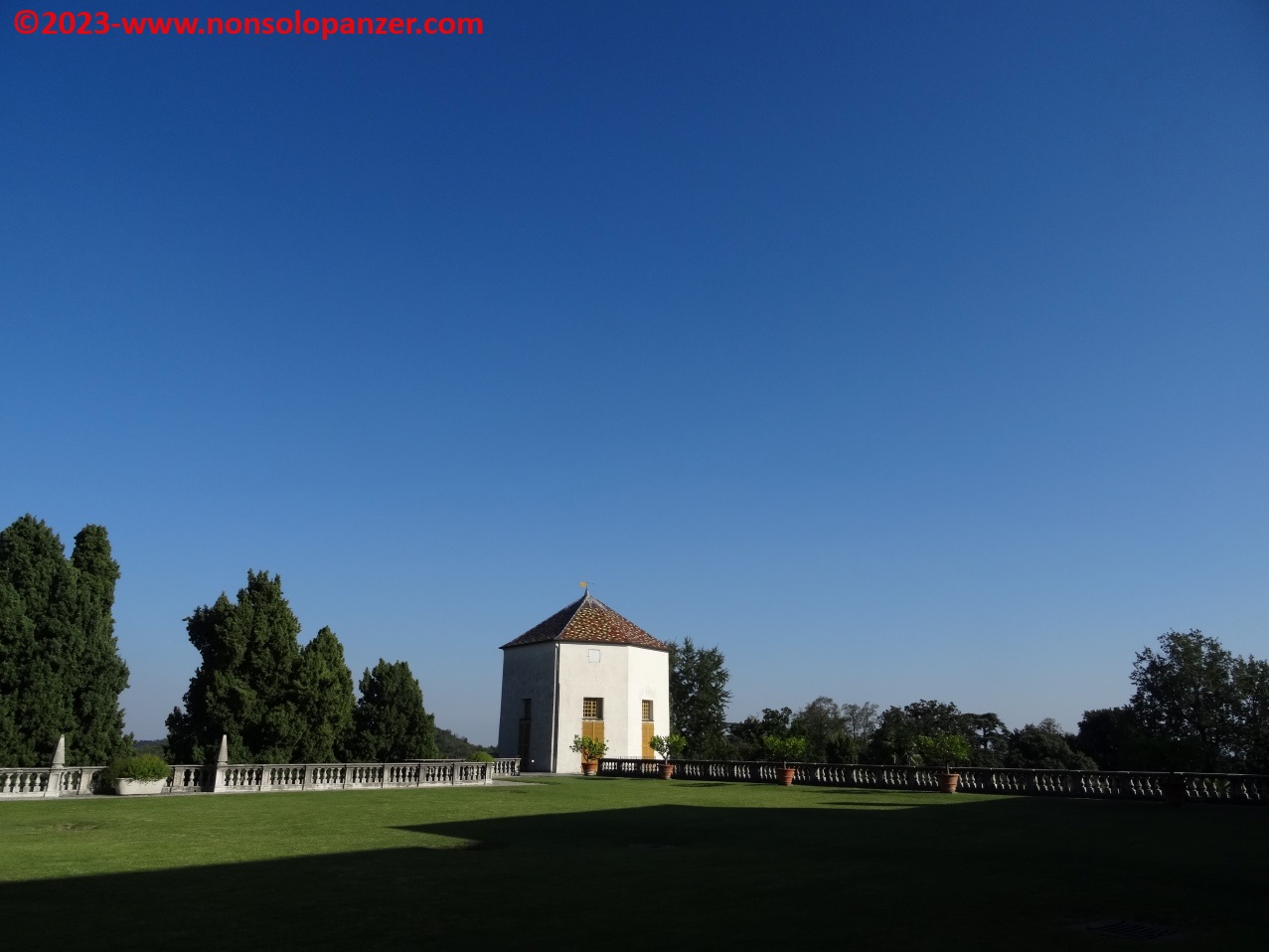
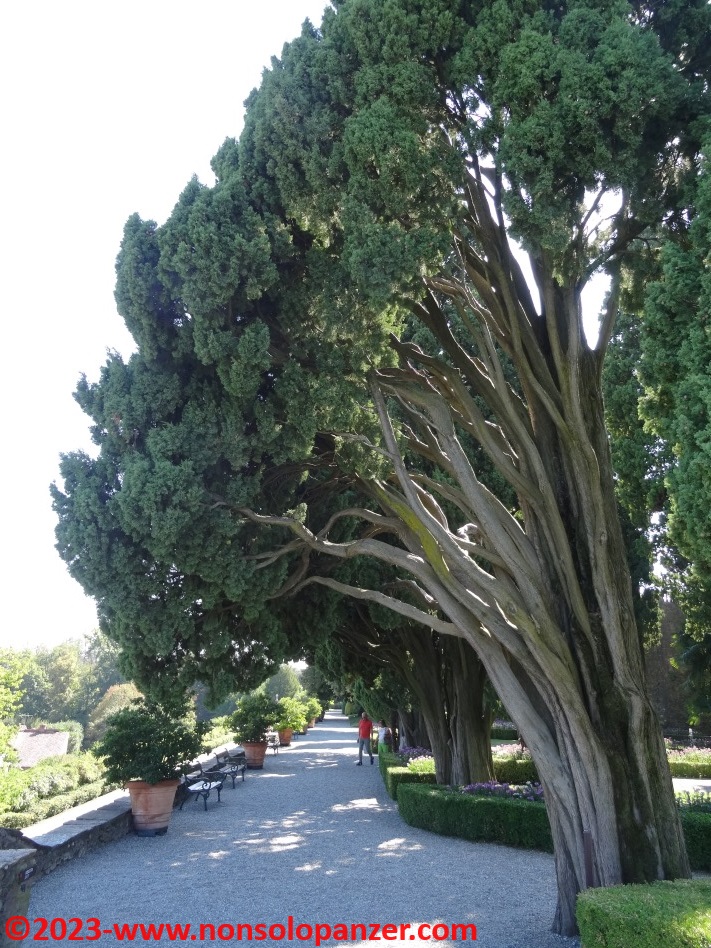
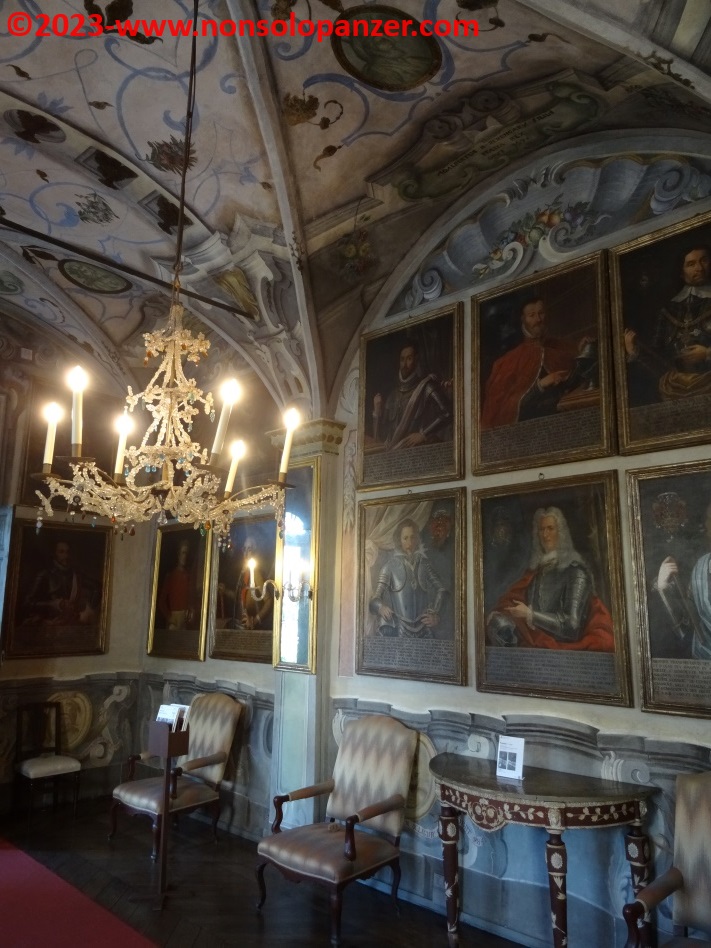
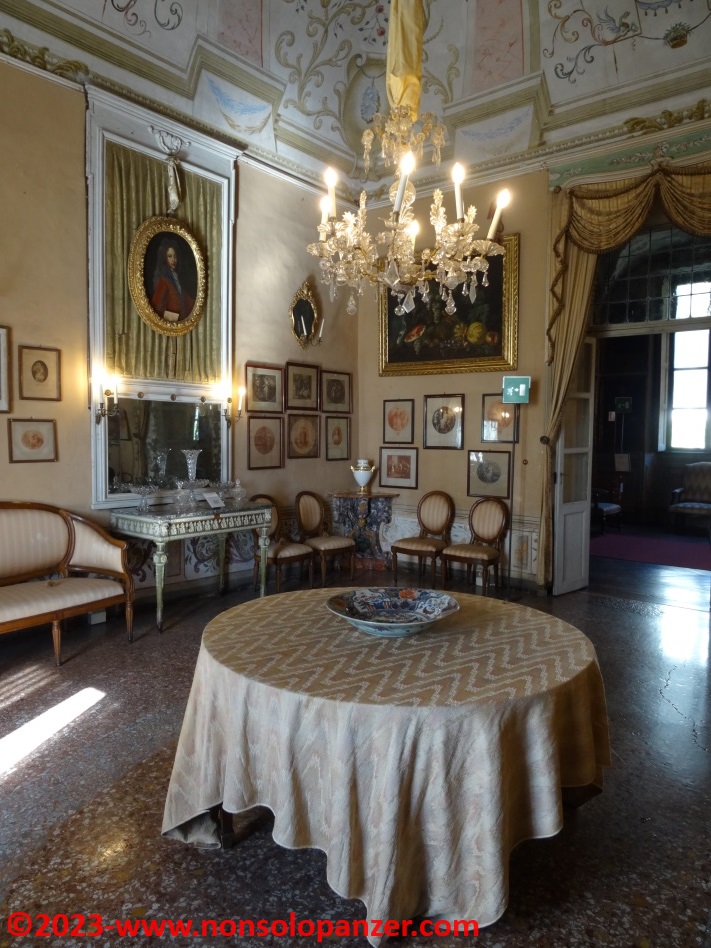
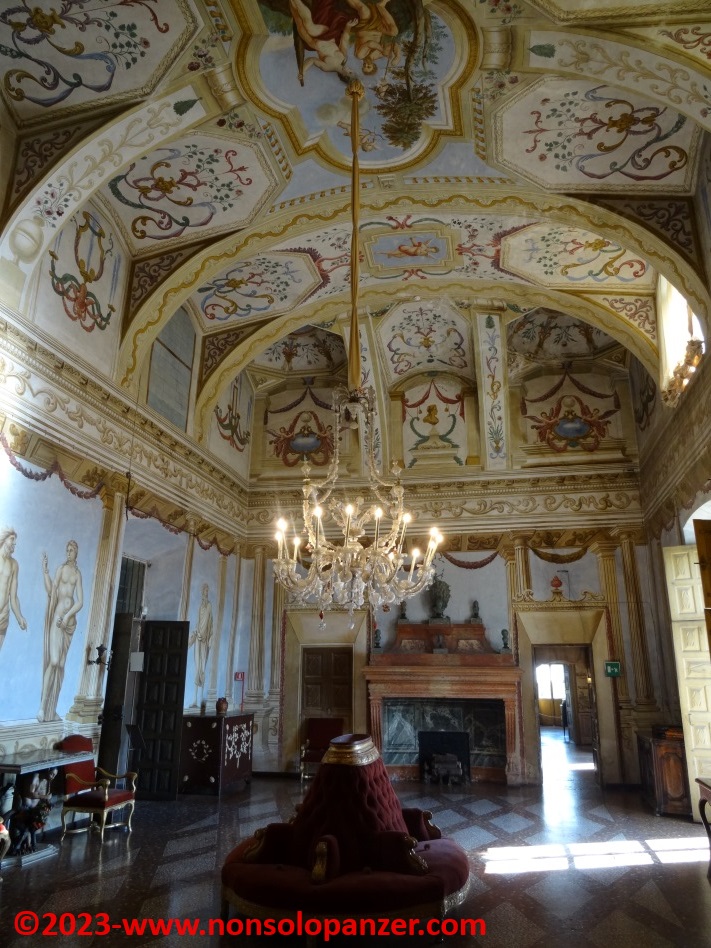
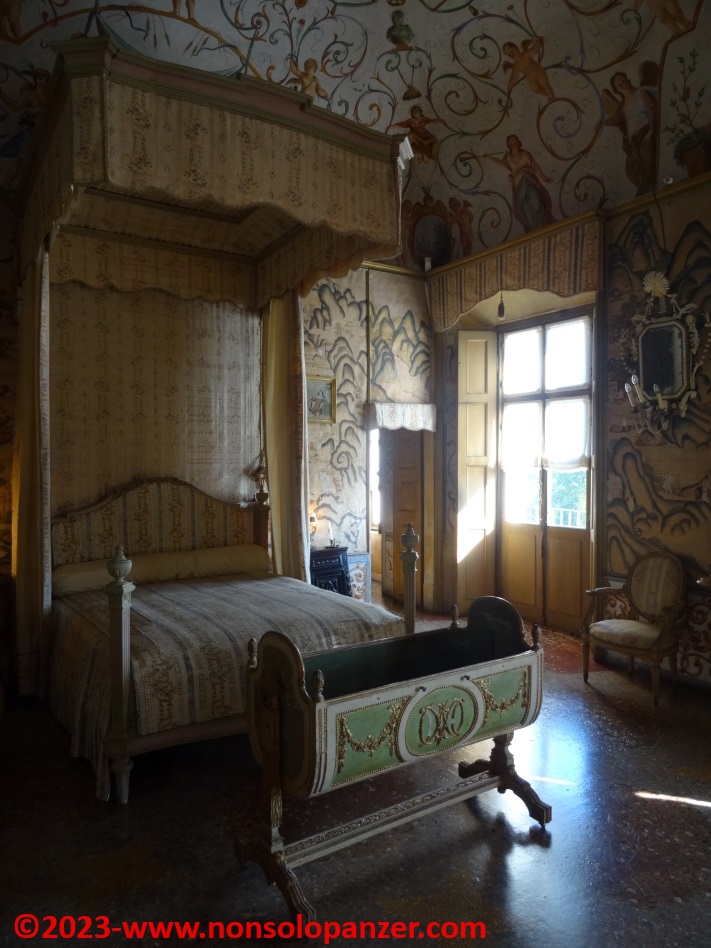
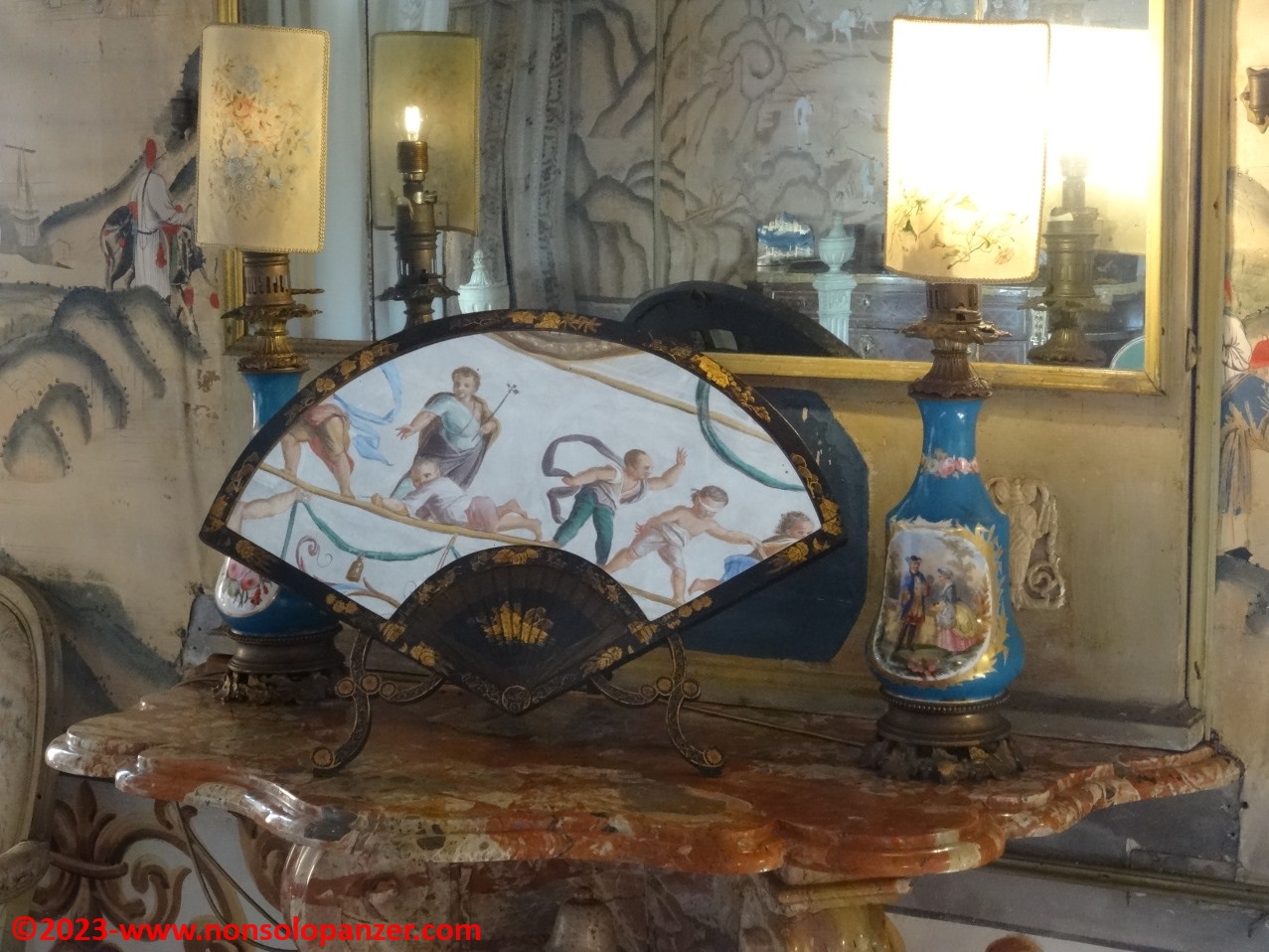
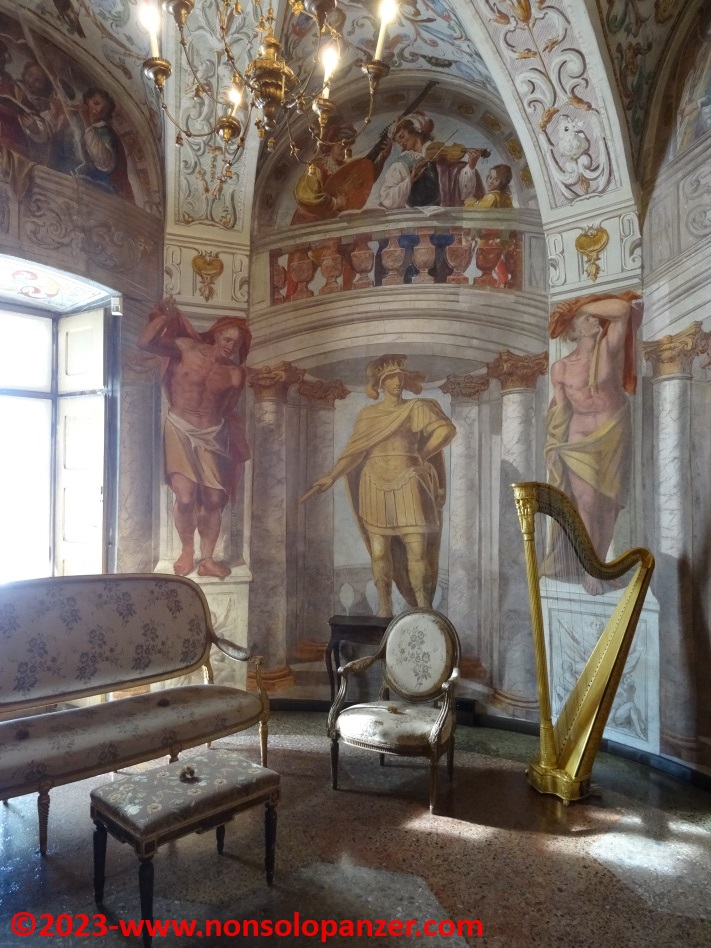
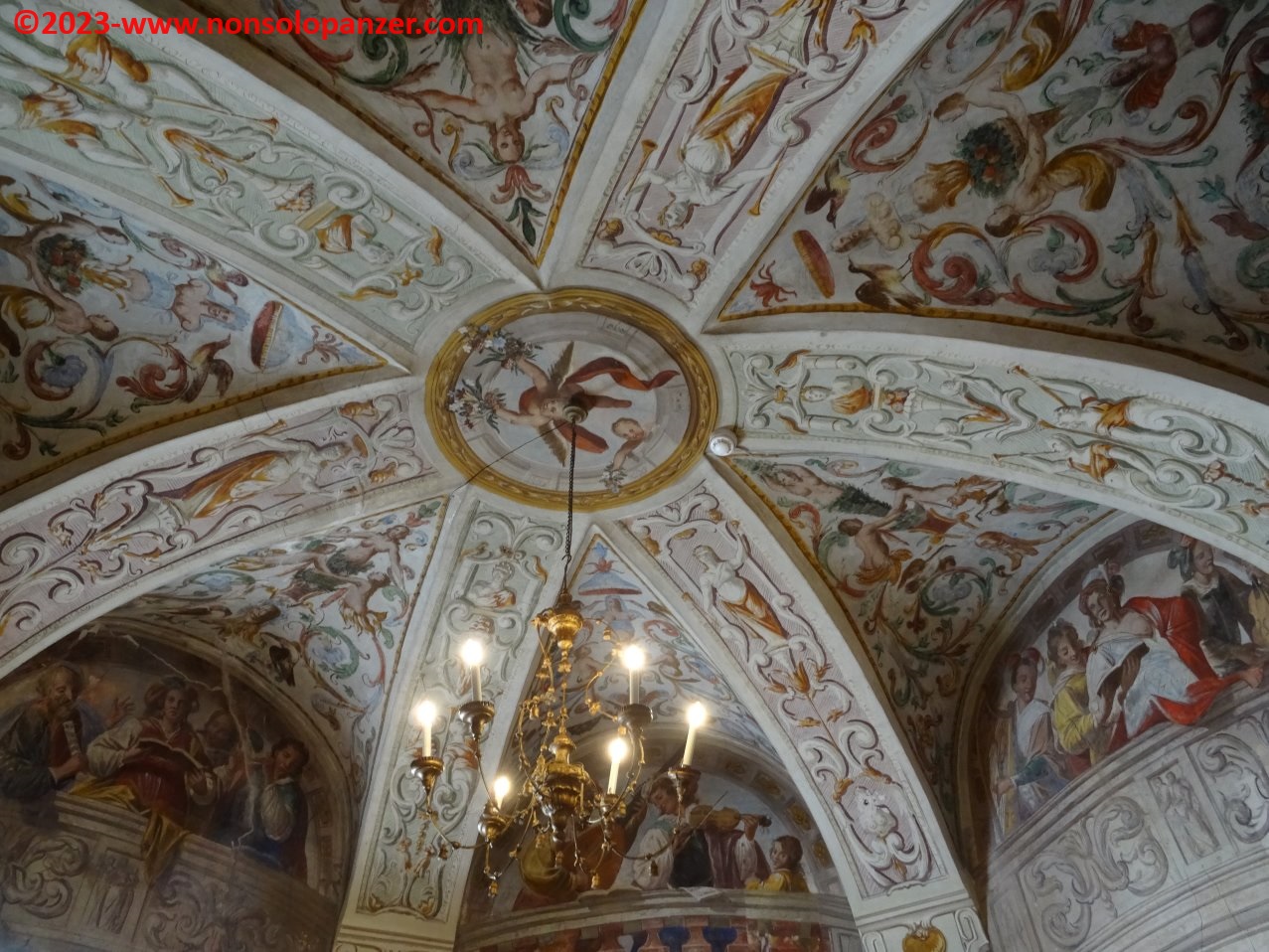
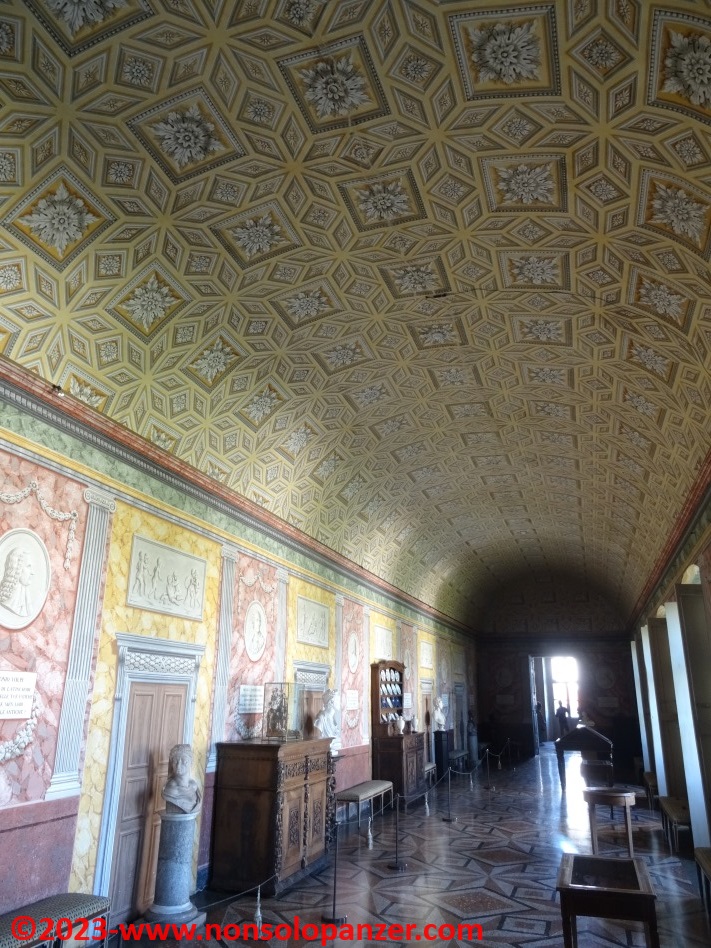
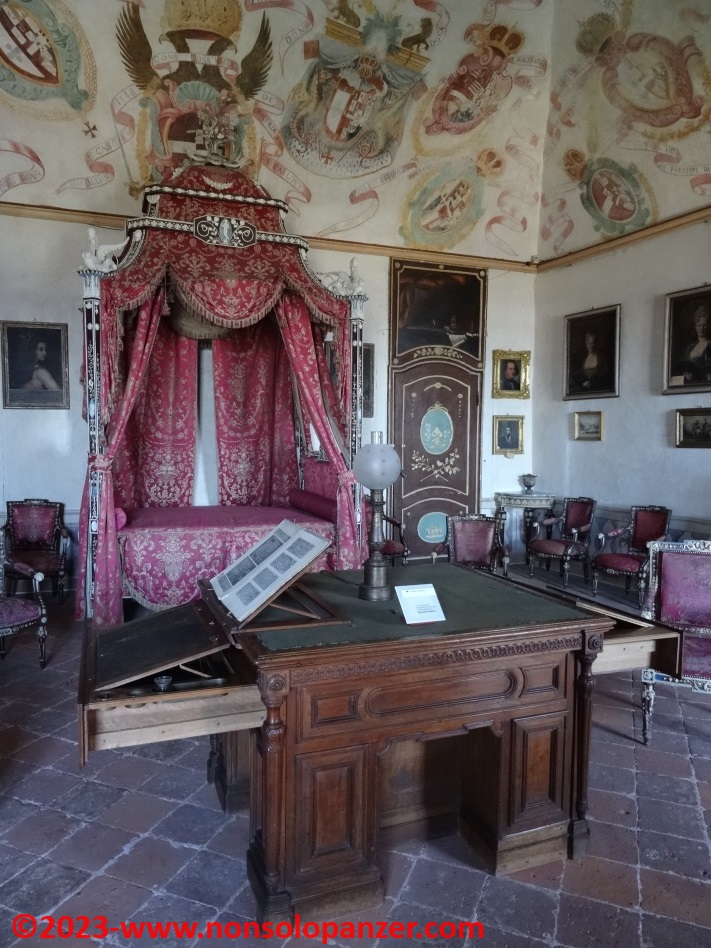
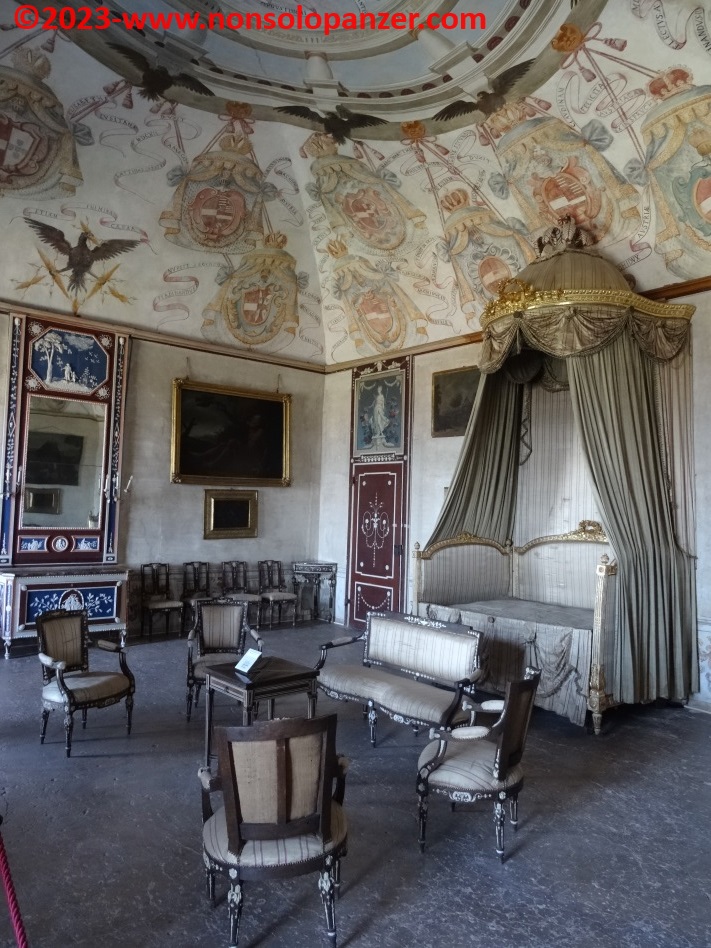
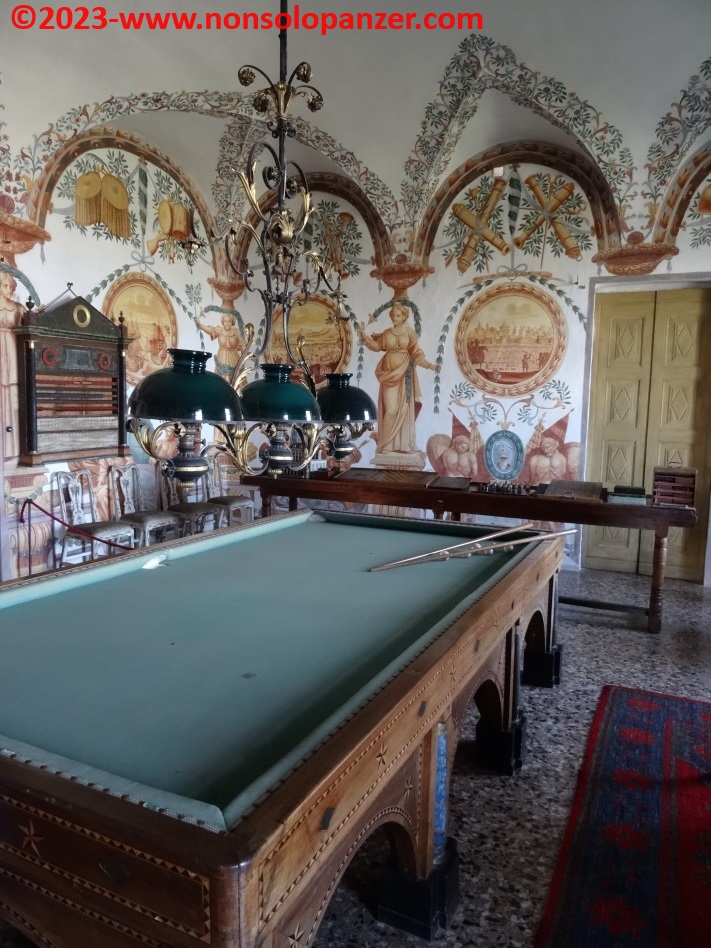
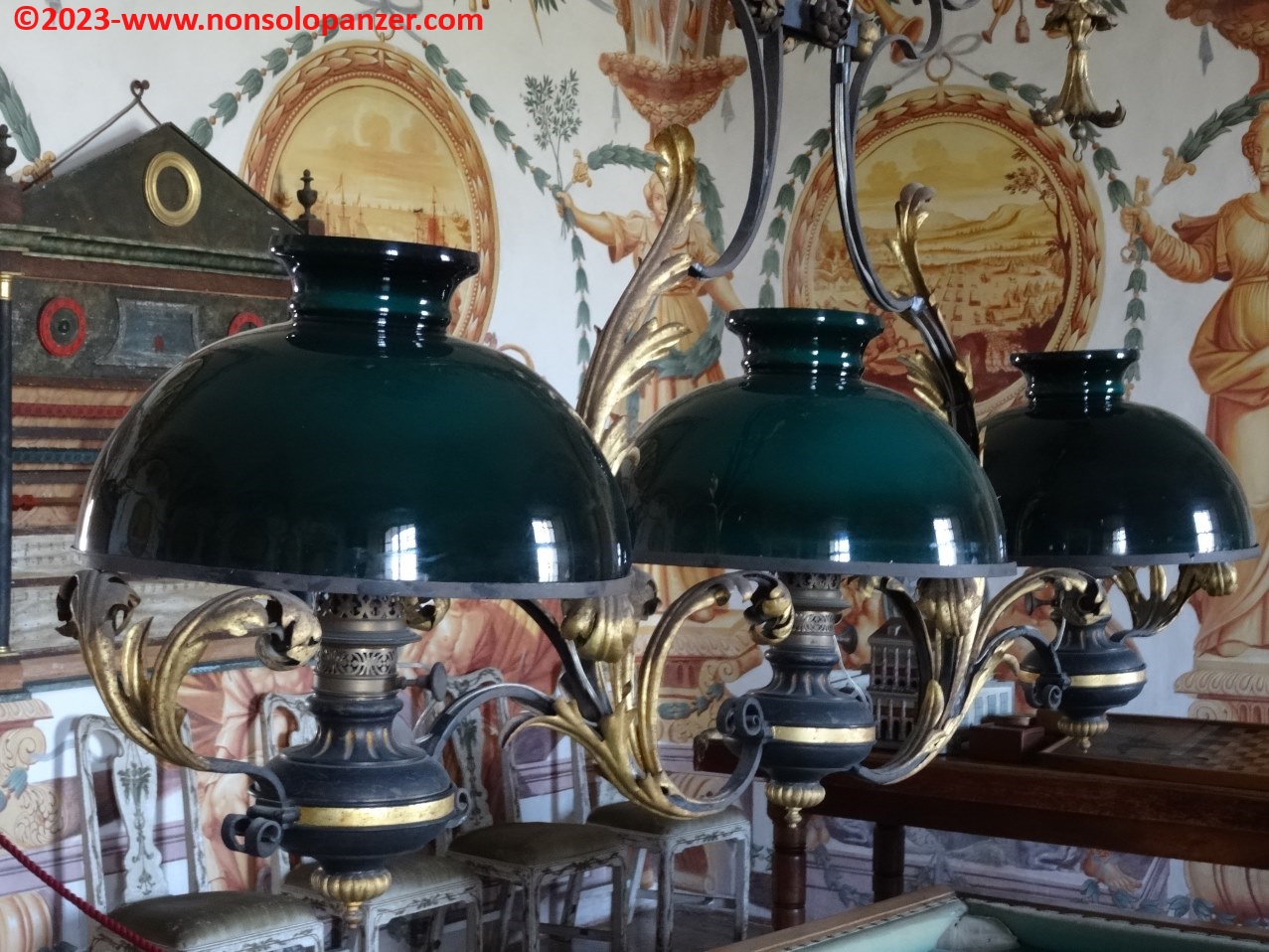
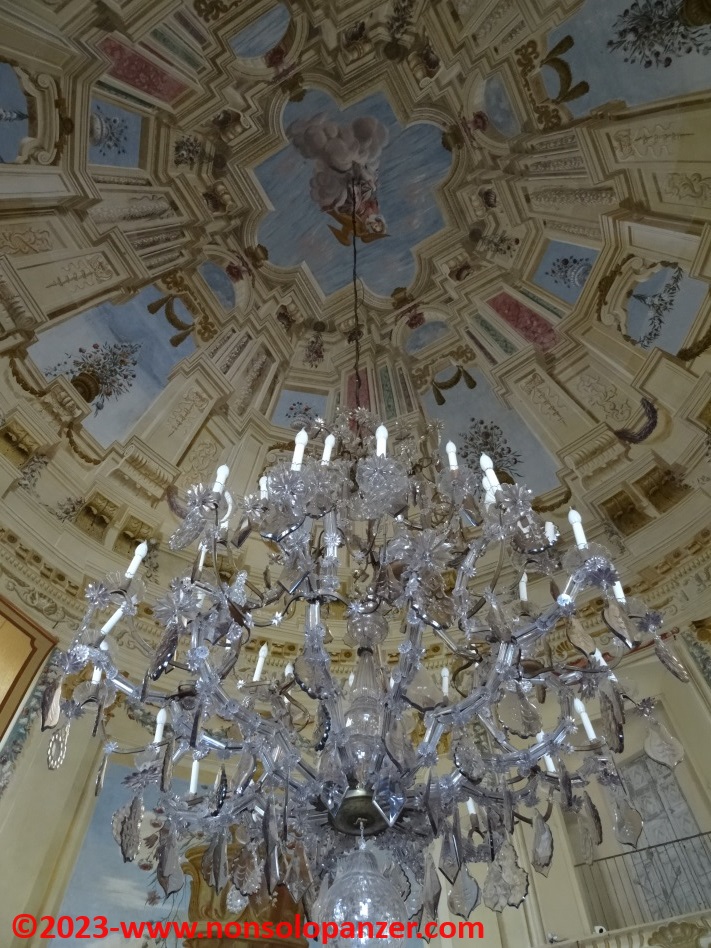
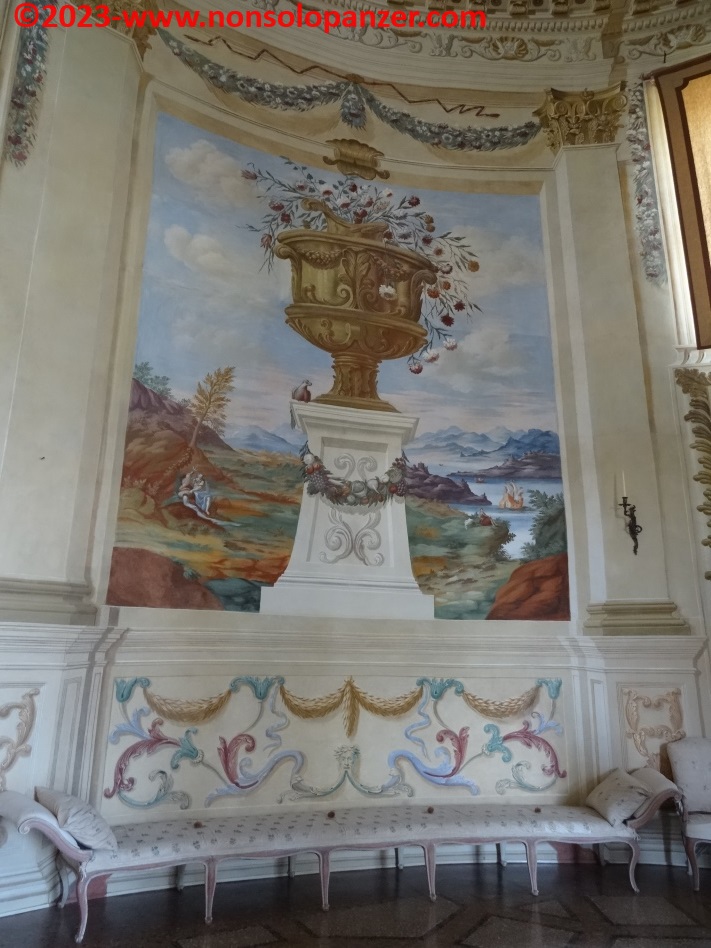
Il Castello di Masino è un bene FAI dal 1988. Lo abbiamo visitato con il supporto di una guida preparata ed entusiasta che ha certamente dato ulteriore lustro ad un edificio di una bellezza disarmante. Di proprietà della famiglia Valperga per nove secoli, il castello conserva gli arredi, gli affreschi, i lampadari, i soprammobili, addirittura le stoviglie originarie. Tutto si presenta nell’aspetto voluto dalle generazioni dei Valperga che si sono susseguite nei secoli. Si tratta di una eccezionalità rarissima, forse unica, che dimostra come i territori che ci circondano custodiscano tesori spesso sconosciuti ai più. Se tutto ciò non bastasse, il Castello di Masino sorge in cima ad un colle solitario che offre una straordinaria vista a 360° sulla piana del Canavese, sull’arco alpino e, soprattutto, sull’antichissima barriera morenica che, alta 400 metri e lunga 25 chilometri, è tra le più ampie e meglio conservate formazioni geologiche di origine glaciale d’Europa.






Lasciato il Castello di Masino siamo tornati a Caluso non senza qualche difficoltà dovuta ad un lungo sterrato impraticabile con le bici.
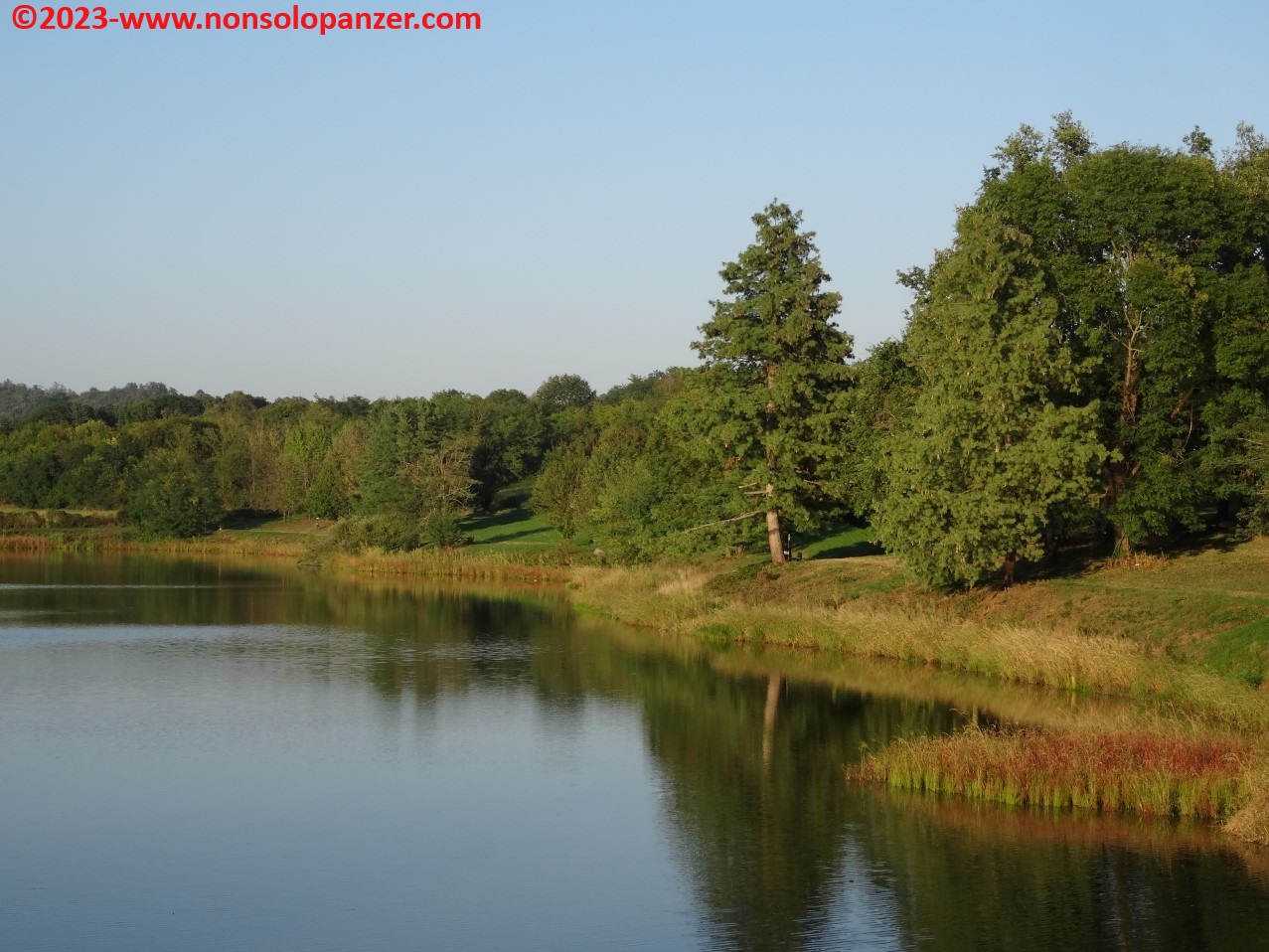
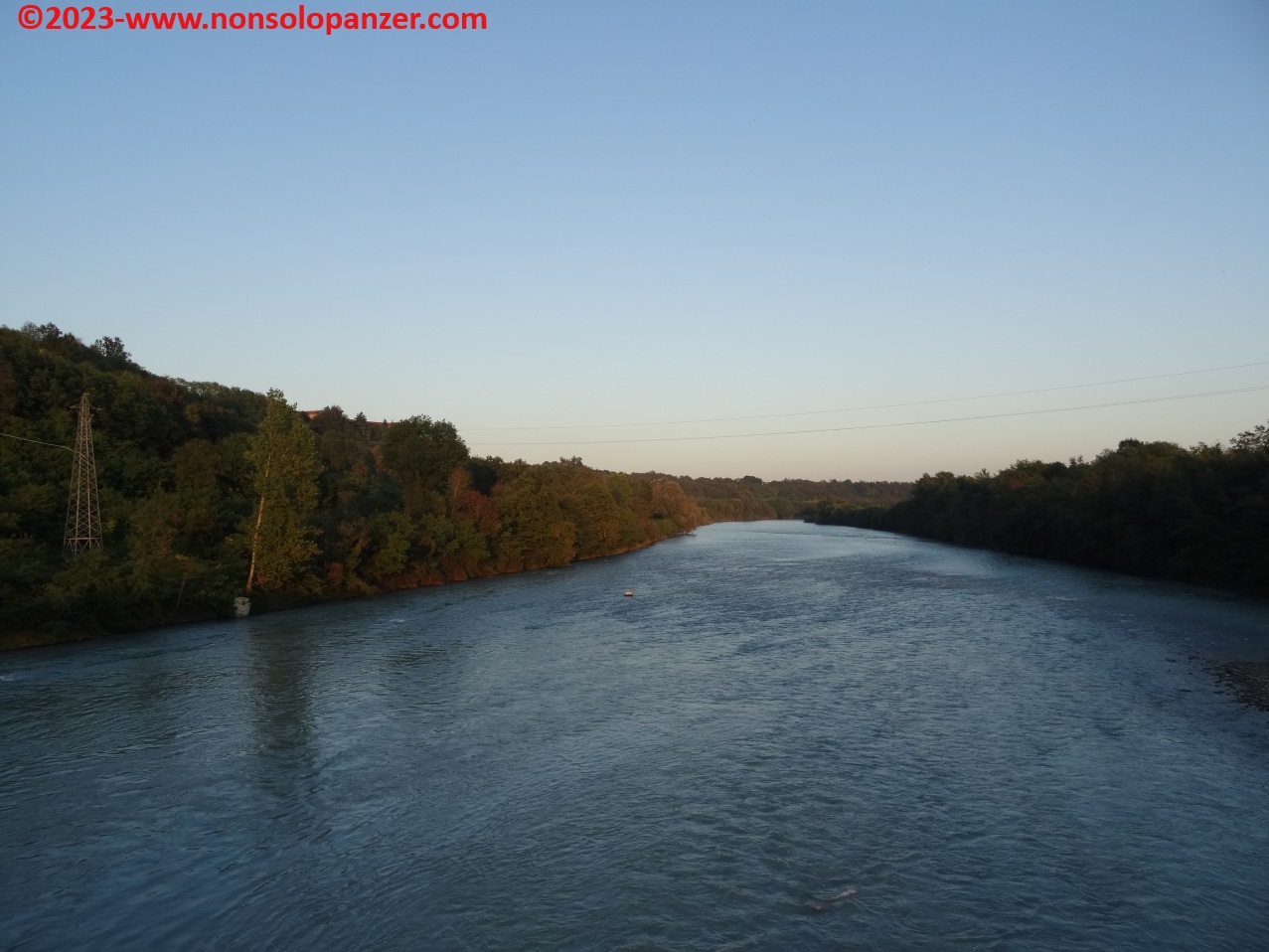
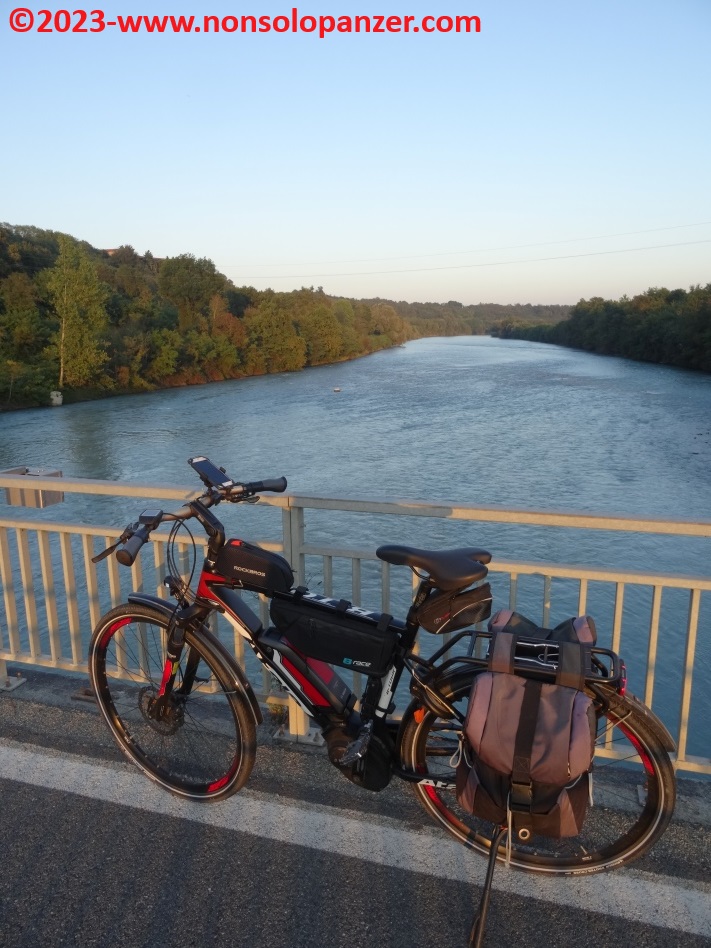
Nonostante tempi del rientro più lunghi del previsto, i 50 chilometri percorsi sono stati ideali per godersi una delle ultime giornate estive dell’anno ed ammirare bellezze inaspettate.
English Language
Last May, I visited the Salone del Libro di Torino book fair with my sweetheart, a frequent visitor to the event and an avid reader. Among the purchases I made was a handbook dedicated to Vermouth di Torino, the aromatised wine at the base of the most famous cocktails and a historical Piedmont icon. Reading this short but interesting book offered me a number of very stimulating insights not only into the world of Vermouth but also into the places of excellence in Piedmont. One of them is Masino Castle, the destination of the bike tour that is the subject of this article.
On the morning of Saturday, 9 September, we left home with the powerful Opel “Mokka” to which I had mounted the Thule bike rack with two pedal-assisted Atalas. Mid-morning we arrived in Caluso where we parked in a large parking area and unloaded the bikes.
Caluso is a municipality whose history is linked to the cultivation of the vineyards from which Erbaluce, the wine used since the 18th century as the basis of Vermouth di Torino, is made. The town is rich in buildings that are evidence of past splendors and of the link, still very strong today, with the cultivation of the vineyards that dot the Canavese area. Among the businesses that celebrate Erbaluce, the regional wine shop located on the ground floor of Palazzo Valperga Masino, now the seat of the Caluso municipality, stands out.
Leaving Caluso, we travelled the 25 kilometers to Masino Castle. We skirted Lake Candia, passed through Vische and Crotte and arrived at Caravino by crossing a bridge over the Dora Baltea river from which there was a beautiful view of the castle and the surrounding countryside.
Caravino lies on the slopes of the hill on which the Masino Castle stands. The village certainly enjoyed the flourishing economy generated by the nearby castle. Walking through the center, it is impossible not to notice the “Castellaccio”, an extravagant building that looks like something out of some witchcraft tale.
Masino Castle has been a FAI property since 1988. We visited it with the support of a knowledgeable and enthusiastic guide who certainly added luster to a building of disarming beauty. Owned by the Valperga family for nine centuries, the castle retains its original furnishings, frescoes, chandeliers, knick-knacks, even crockery. Everything is presented in the appearance desired by the Valperga generations that succeeded one another over the centuries. This is a very rare, perhaps unique exceptionality that demonstrates how the territories around us hold treasures that are often unknown to most. If all this were not enough, Masino Castle stands atop a solitary hill that offers an extraordinary 360° view over the Canavese plain, the Alpine arc and, above all, the ancient moraine barrier that, 400 meters high and 25 kilometers long, is among the largest and best-preserved geological formations of glacial origin in Europe.
Leaving Masino Castle, we returned to Caluso not without some difficulty due to a long dirt road impassable with bicycles.
Despite the return journey taking longer than expected, the 50 kilometers covered were ideal for enjoying one of the last summer days of the year and admiring unexpected beauty.
 NonSoloPanzer