
La Svizzera è una nazione neutrale da poco più di un secolo ma ciò non significa che sia priva di un esercito e di una tradizione militare. La neutralità, infatti, è una scelta politica che ha il suo prezzo. Il territorio di un paese neutrale è inviolabile secondo il diritto internazionale ma ciò non esclude di subire gli effetti di una guerra ai confini né tantomeno di essere invasi da un esercito ostile. Un paese neutrale, quindi, è tale perché non ha stipulato alleanze e non aderisce ad uno specifico schieramento ma deve essere in grado di difendersi con un proprio esercito. La Svizzera non fa eccezione. Non deve, quindi, stupire l’esistenza del Schweizerisches Militärmuseum Full.
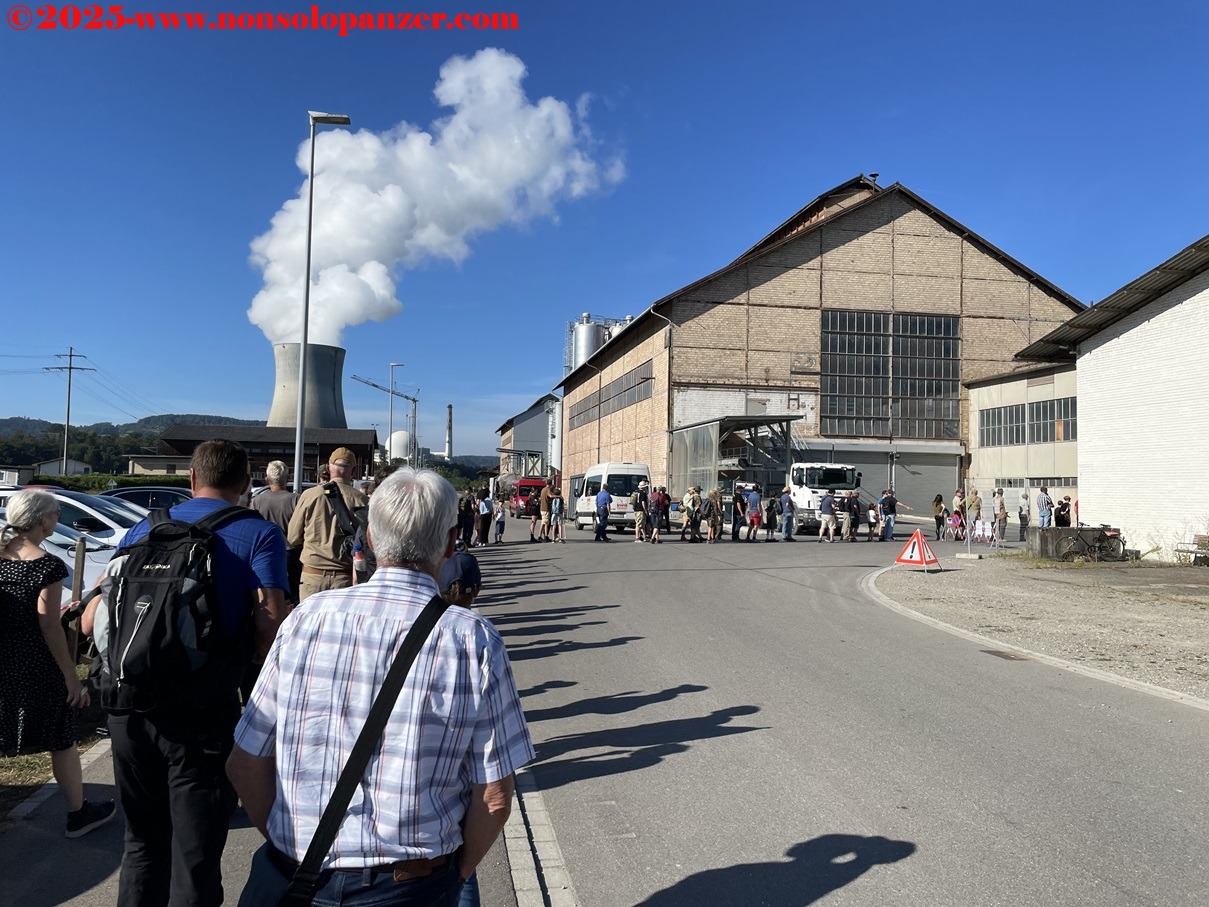

Sito nella periferia della cittadina di Full-Reuenthal, nel Canton Argovia, questo museo era a me totalmente sconosciuto fino a pochi mesi fa. Ciononostante, la sua costruzione su un ex sito industriale iniziò nel 1998 e l’apertura al pubblico avvenne il 10 settembre 1992. Nell’aprile 2010 si concluse la costruzione di una nuova e moderna sala espositiva che permise al museo di espandere ulteriormente la sua collezione ed offrirsi al meglio ai visitatori. E sono proprio meraviglia e sorpresa a suscitare il gran numero di armi, veicoli ed uniformi esposti nel museo ed appartenenti a forze armate nazionali (compresi i cannoni della Oerlikon-Bührle) e straniere. Semplicemente stupefacente è la ragguardevole collezione di armamenti tedeschi dalla Seconda Guerra Mondiale ma ciò non deve stupire più di tanto.
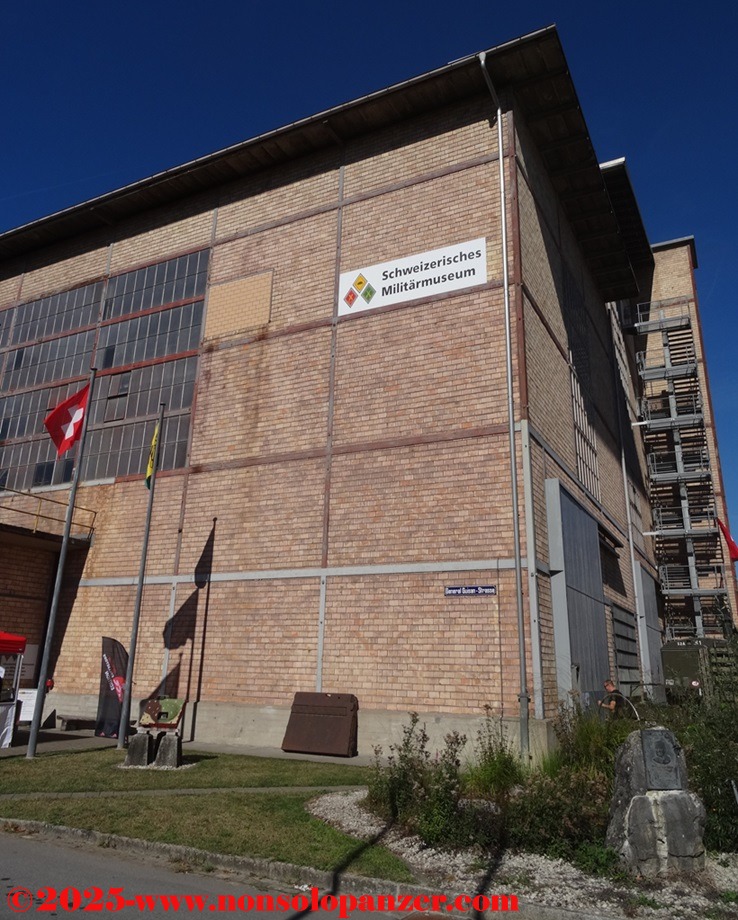

In Svizzera, infatti, esisteva un museo di carri armati a Thun, che ospitava una collezione significativa di Panzer tedeschi recuperati dopo la Seconda Guerra Mondiale. Tali veicoli furono acquistati dal governo svizzero per meglio comprendere le tecnologie sviluppate durante il conflitto e per migliorare le proprie capacità difensive. Conclusi test e studi, i veicoli furono radunati a Thun ed esposti al pubblico in un ampio spazio all’aperto. Ovviamente ciò non aiutò lo stato di conservazione dei veicoli ma Thun era il luogo più prossimo all’Italia dove poter ammirare dei Panzer. Inutile dire che da ragazzino convinsi i miei genitori a portarmici. A intuito, correva la fine degli anni ’80 e fu un’esperienza elettrizzante che segnò profondamente la mia fantasia e i miei interessi.
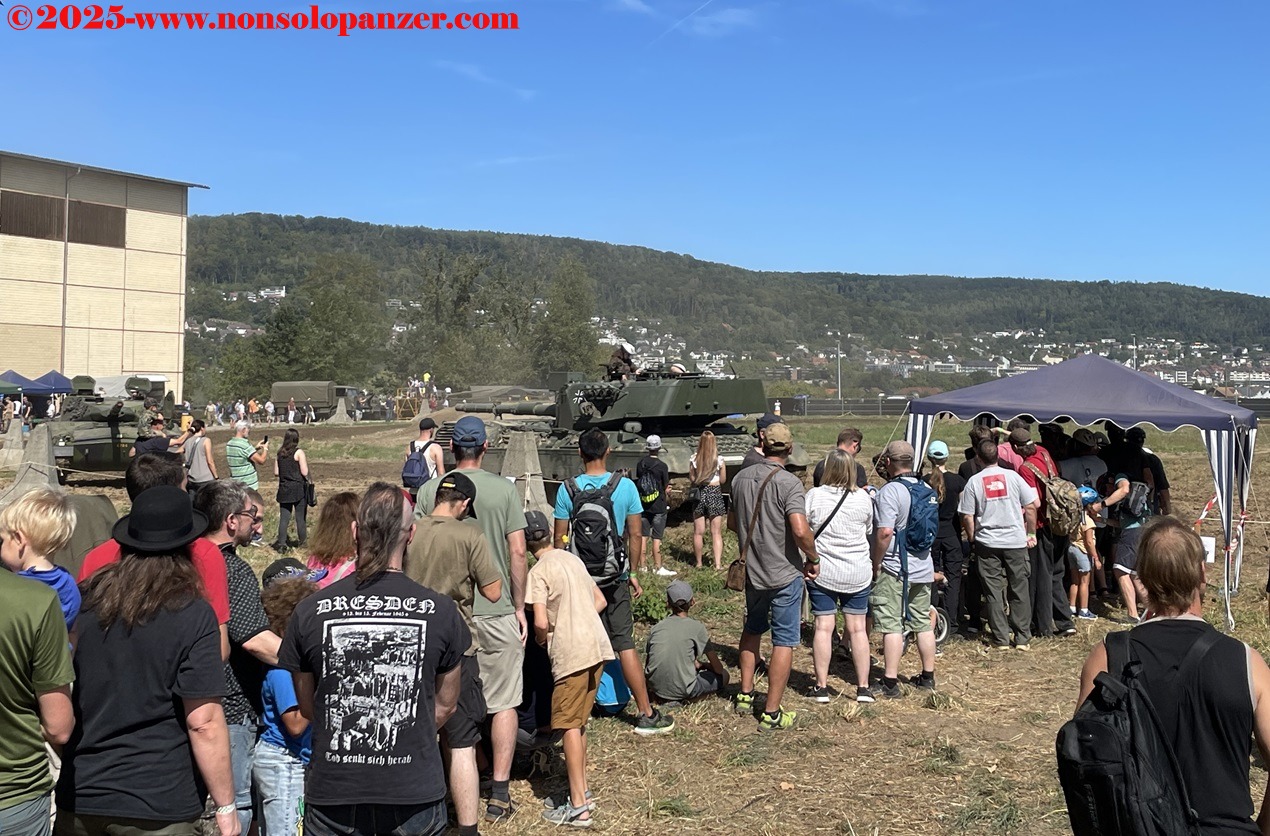


Il museo di carri armati di Thun è stato smantellato e i veicoli sono stati trasferiti al Schweizerisches Militärmuseum Full a partire dal settembre 2006. Questo trasferimento ha permesso di proteggere i veicoli dalle intemperie e da ulteriore degrado. Inoltre, il museo di Full è dotato di un’officina in cui sono in corso importanti lavori di restauro su molti esemplari di indubbia importanza storica. A lavori conclusi, non ho paura di smentita affermando che lo Schweizerisches Militärmuseum Full avrà poco da invidiare al Musée des Blindés de Saumur.
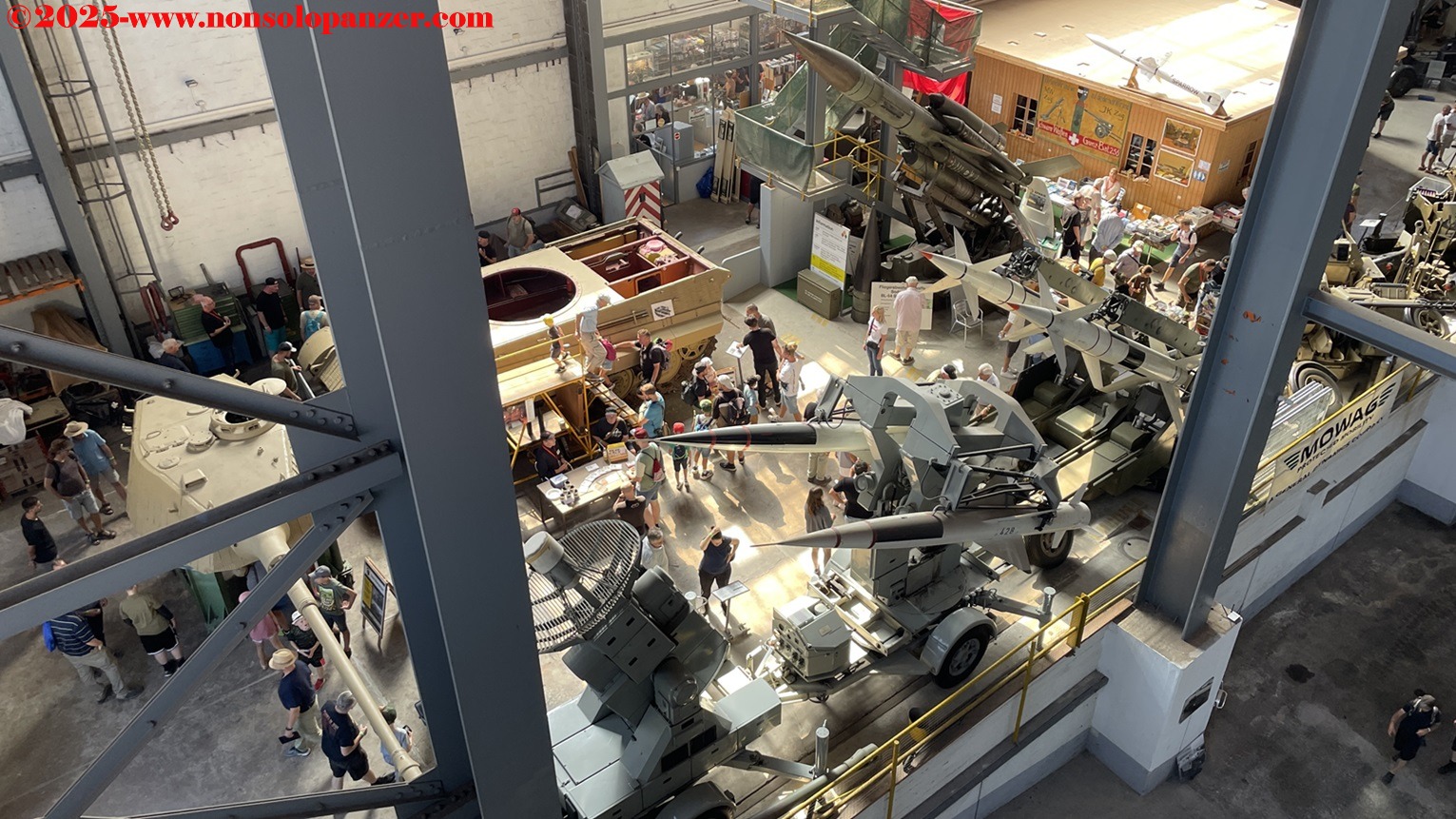


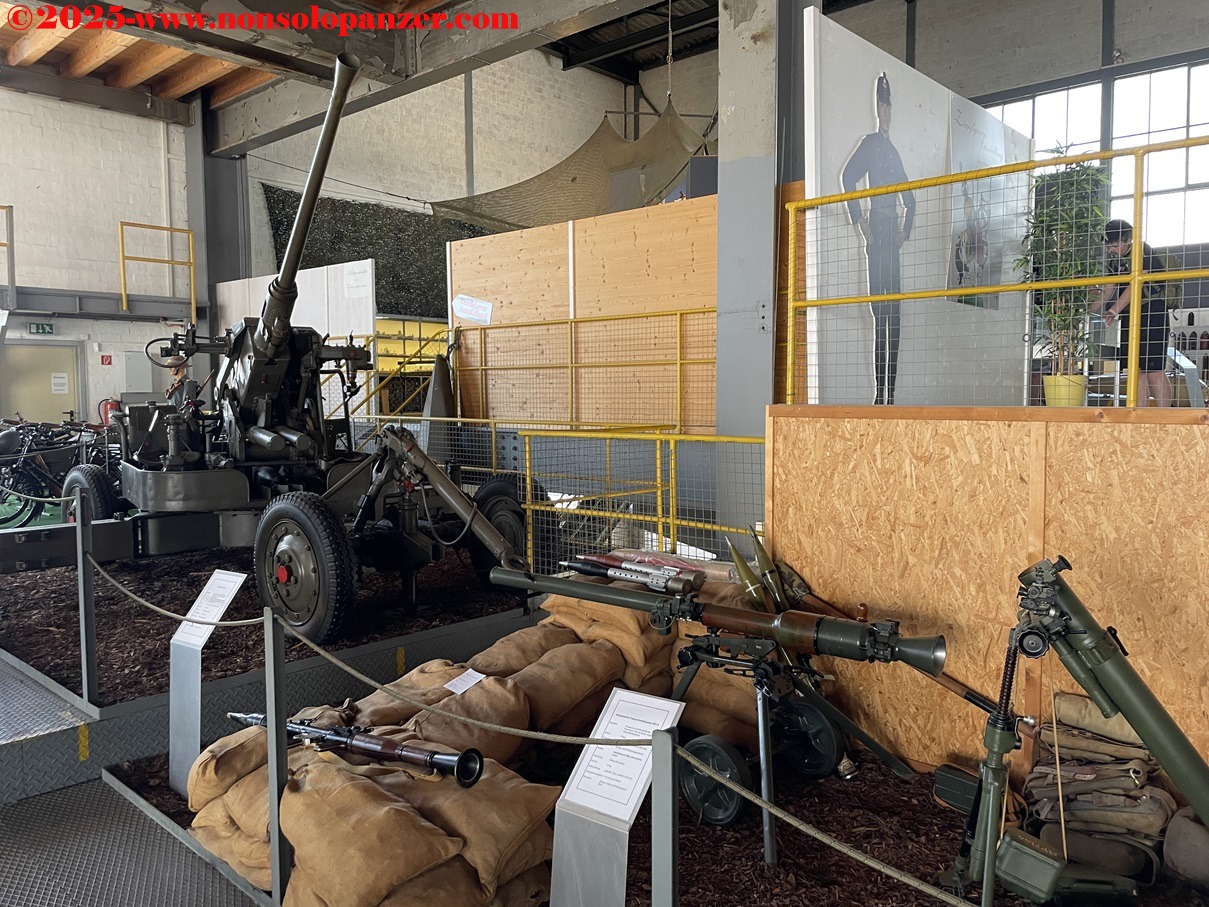
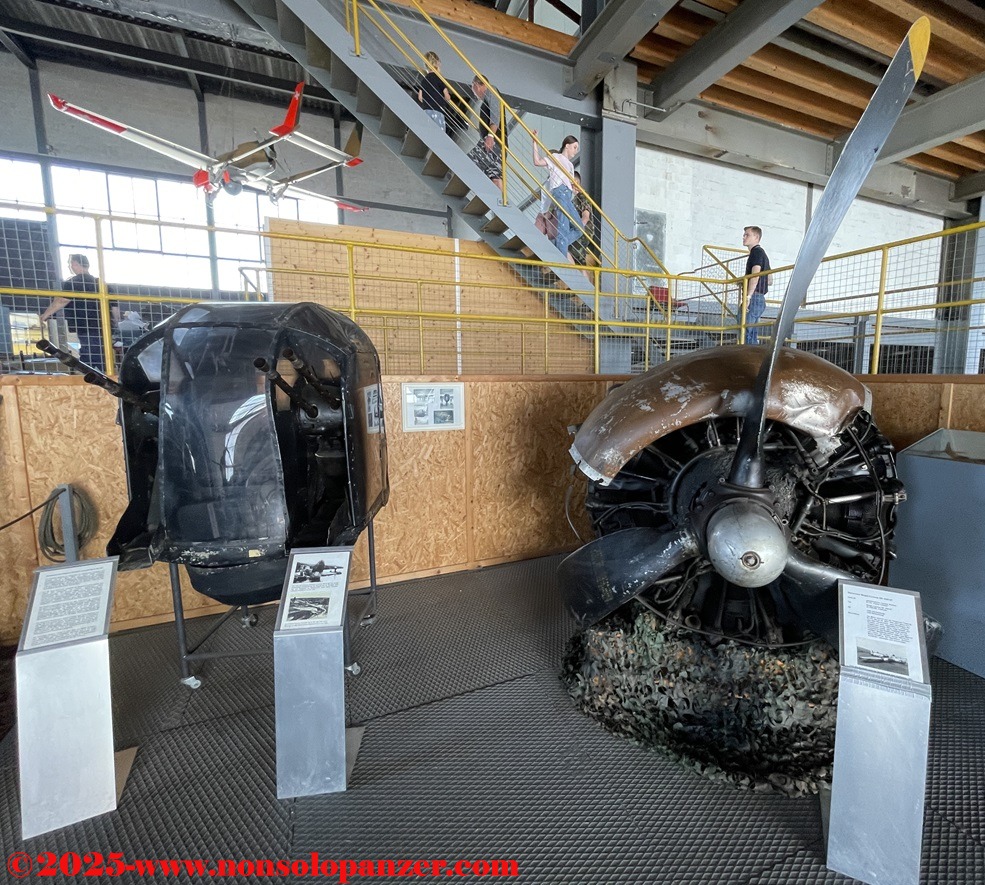
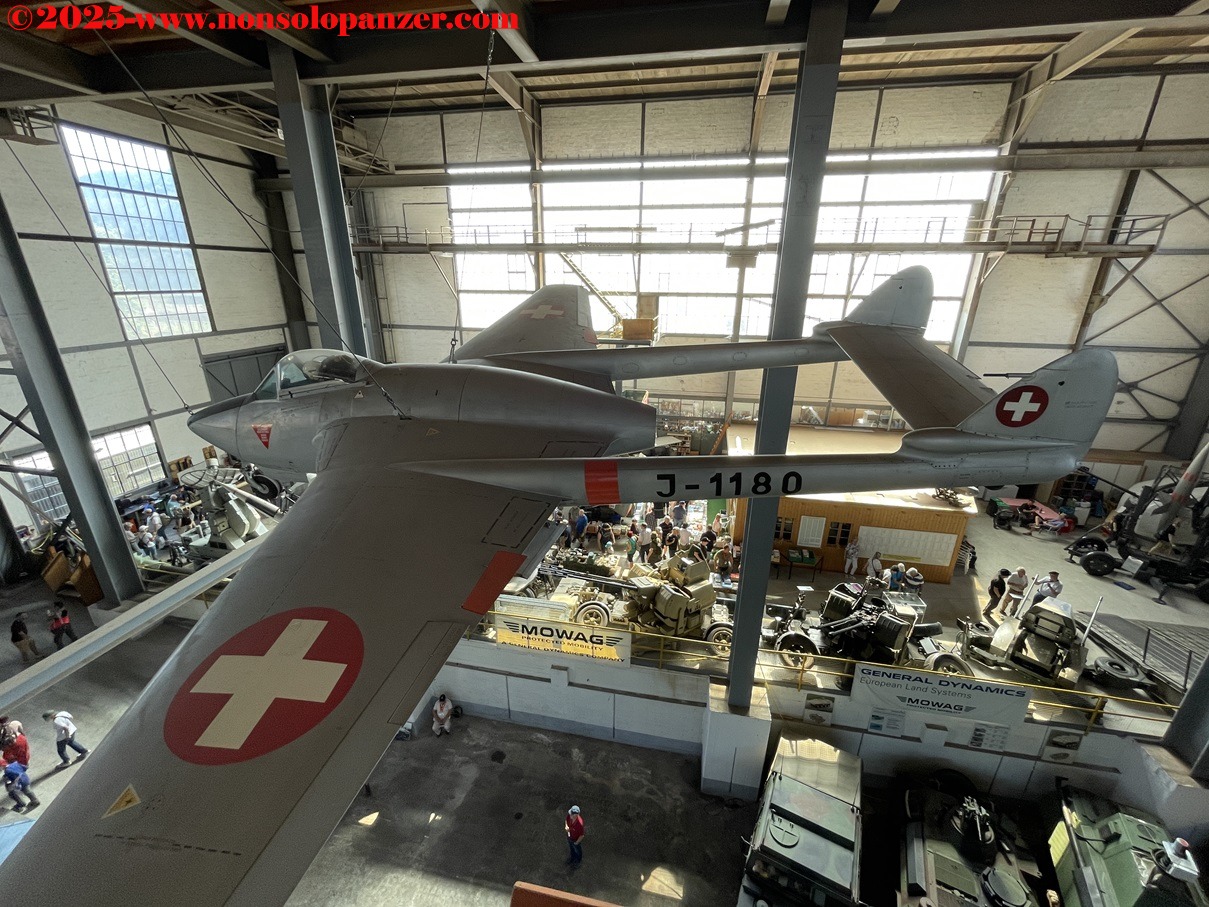
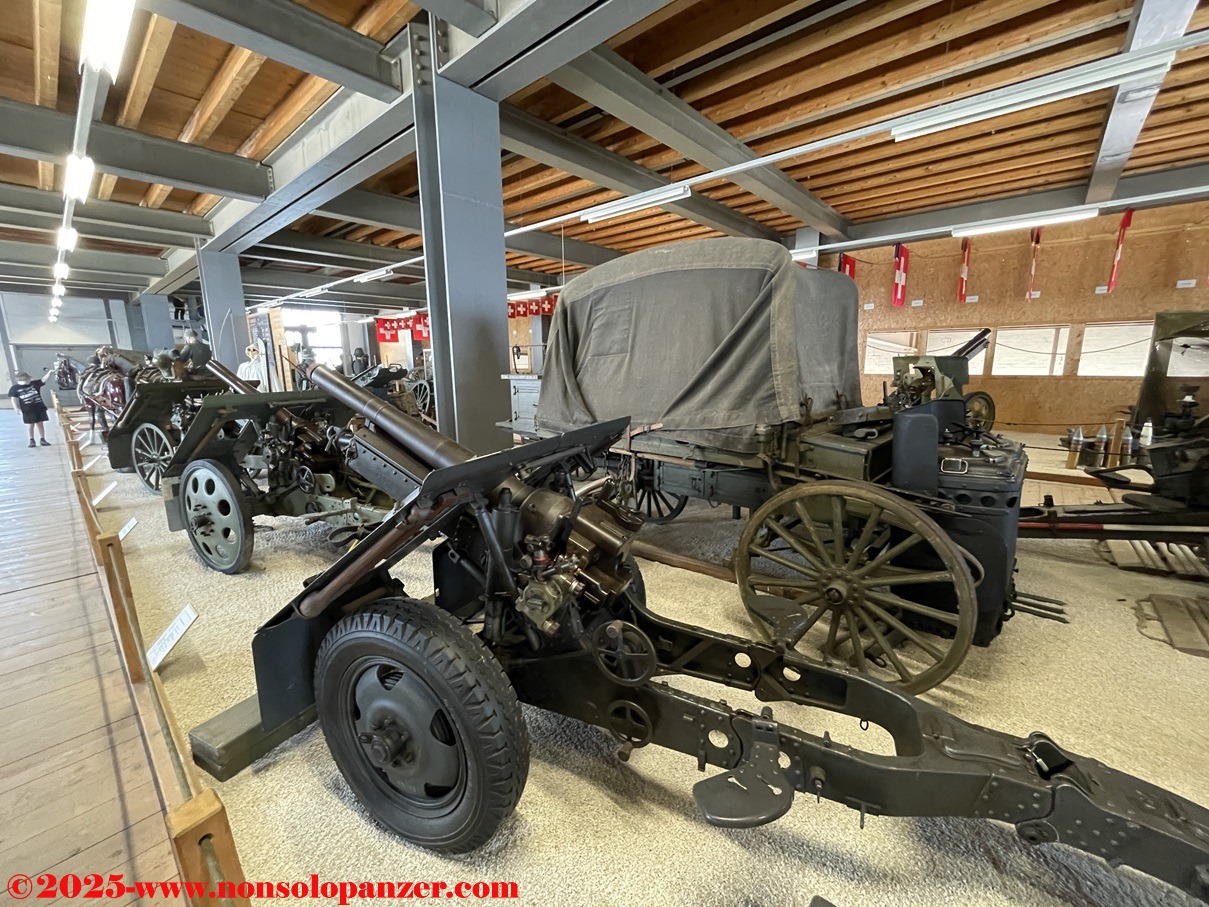
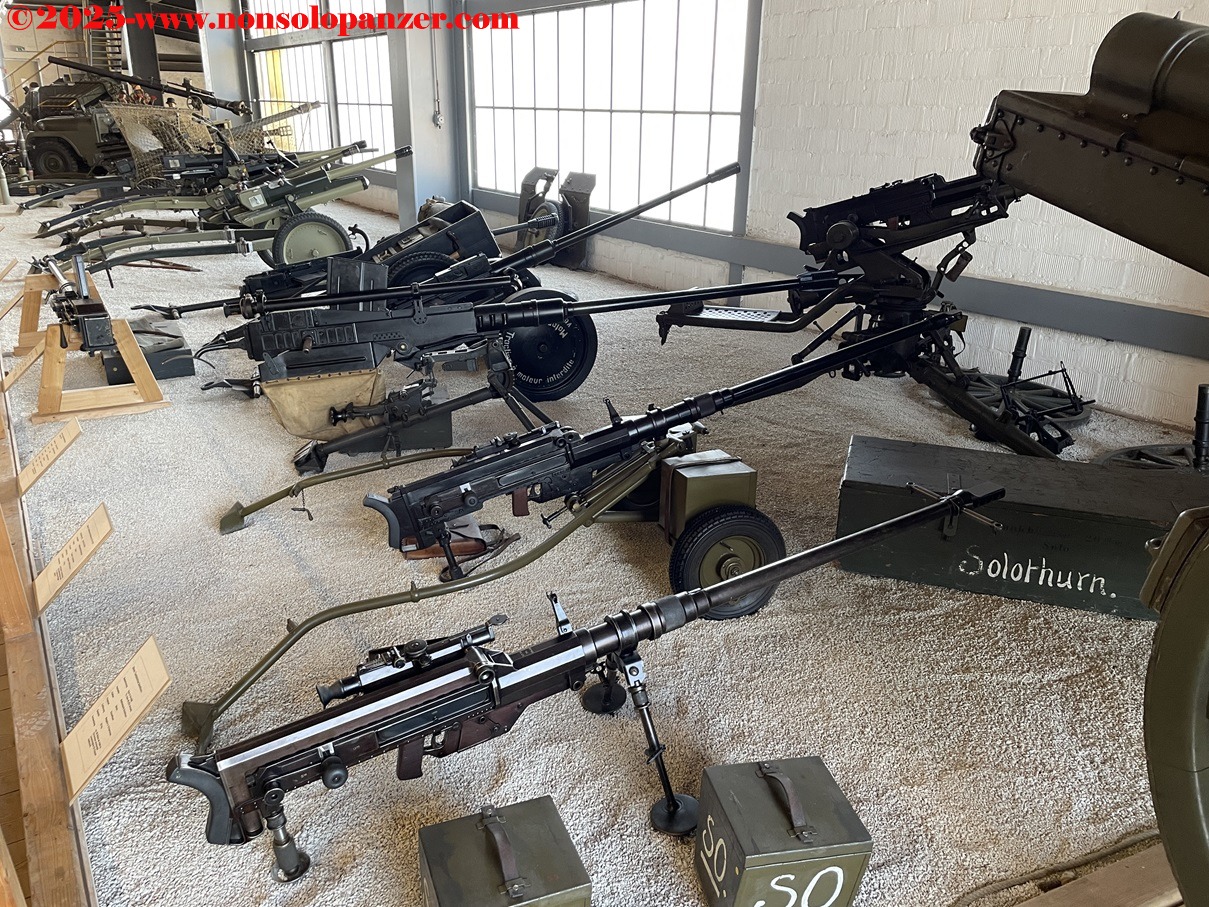
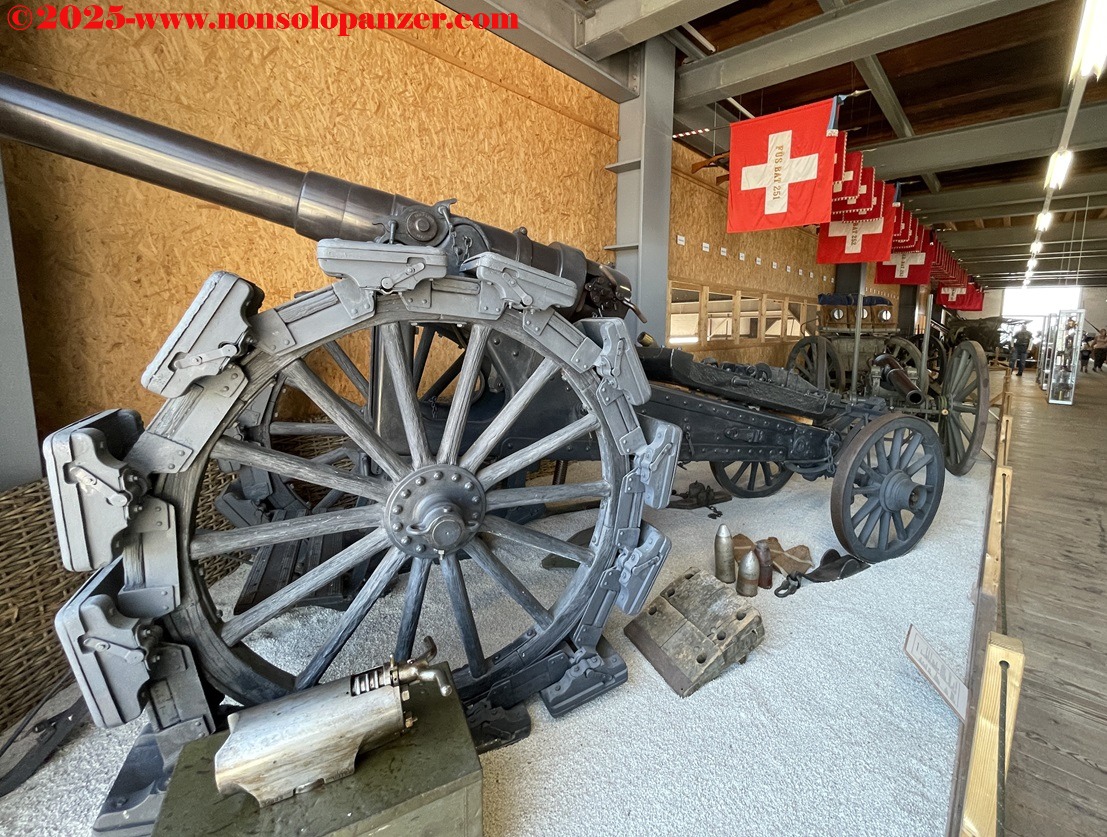
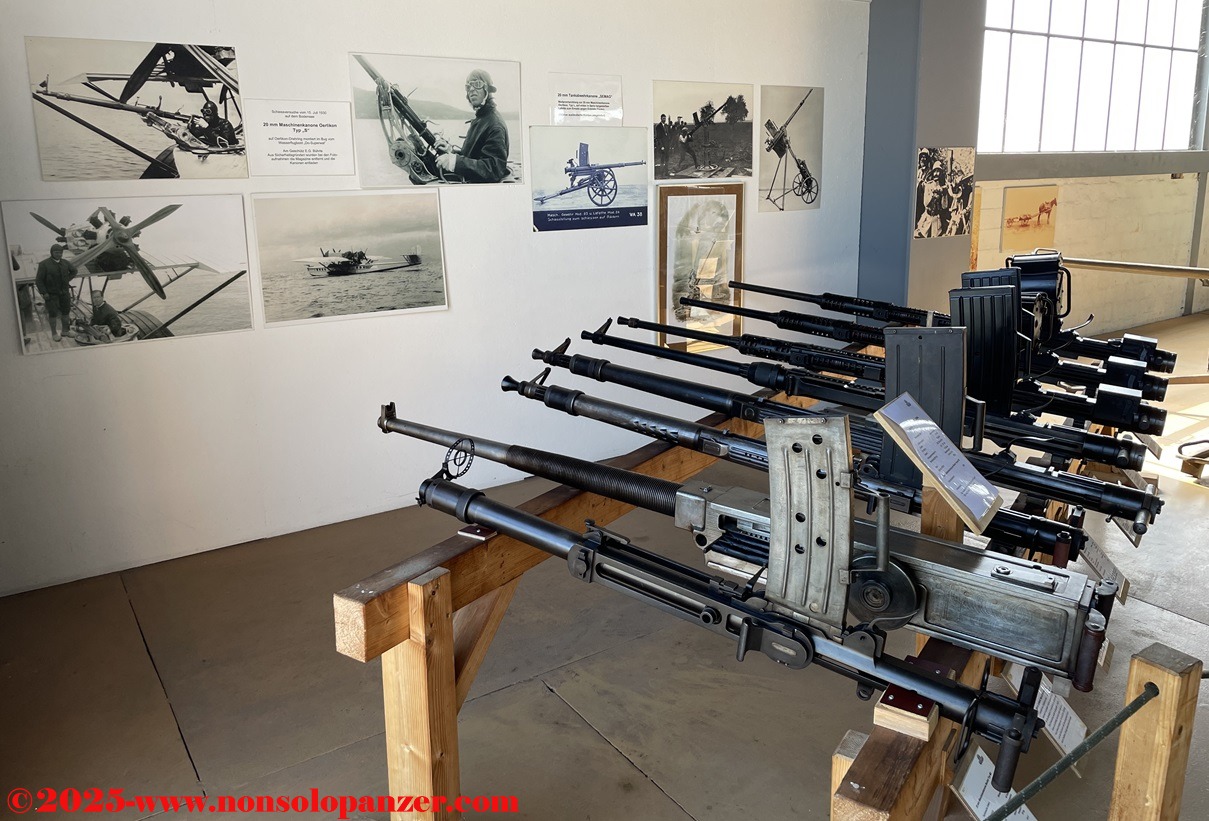
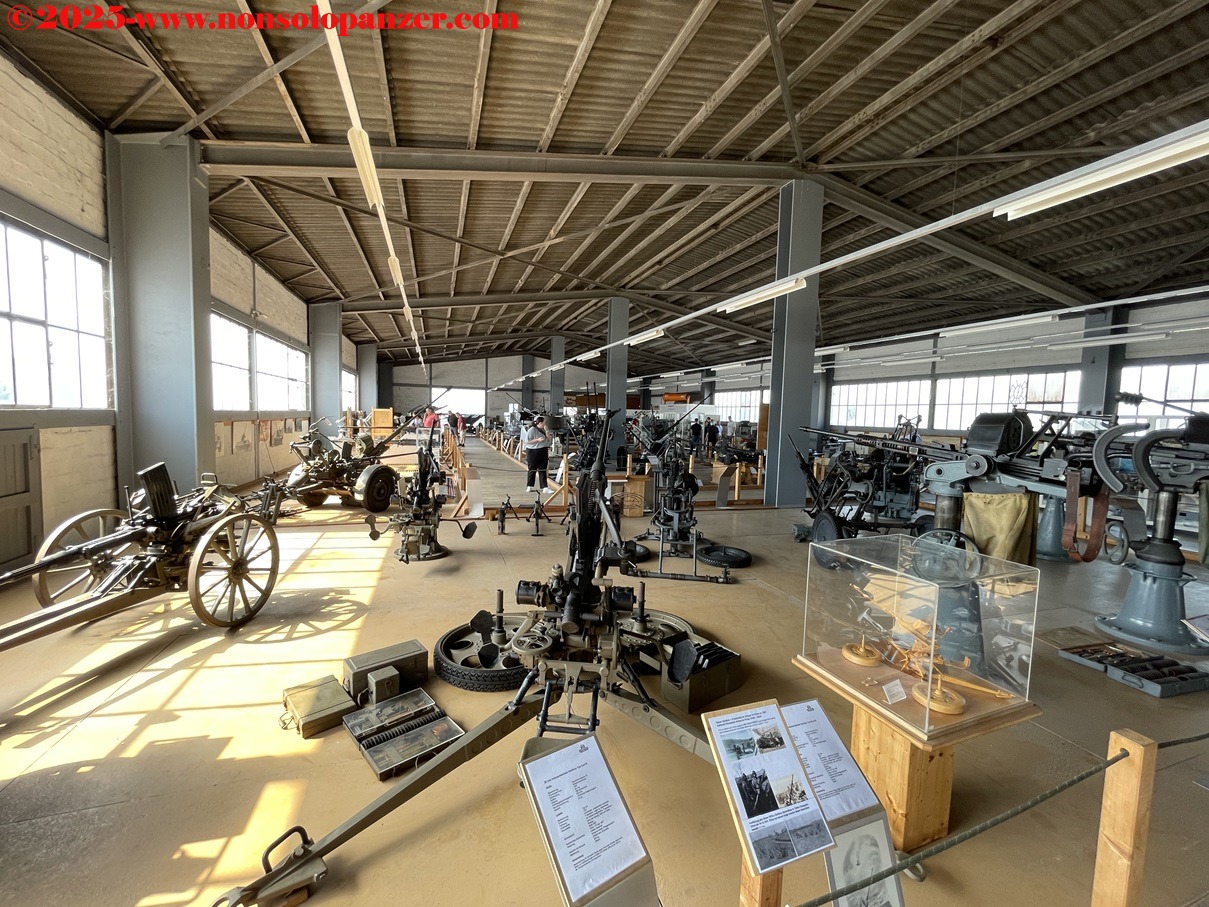
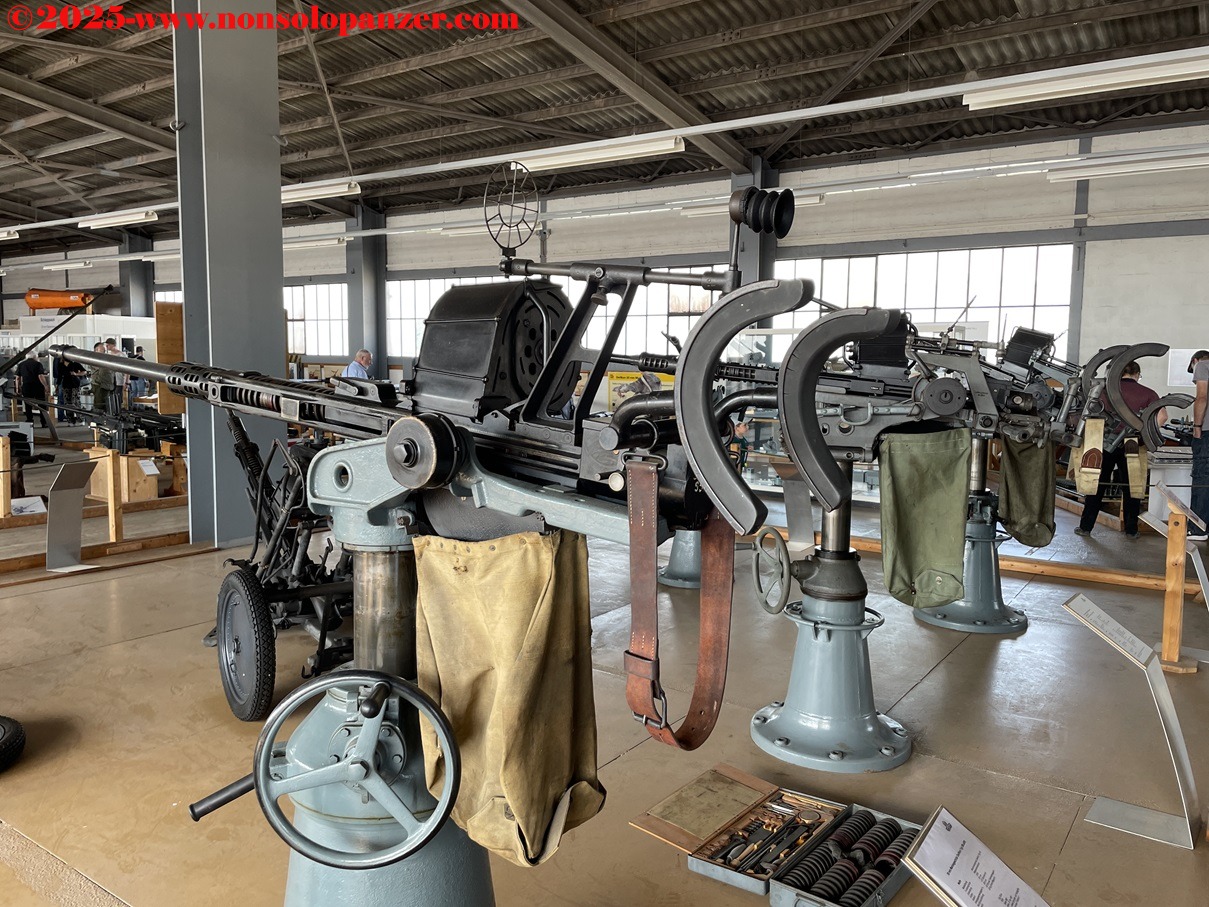


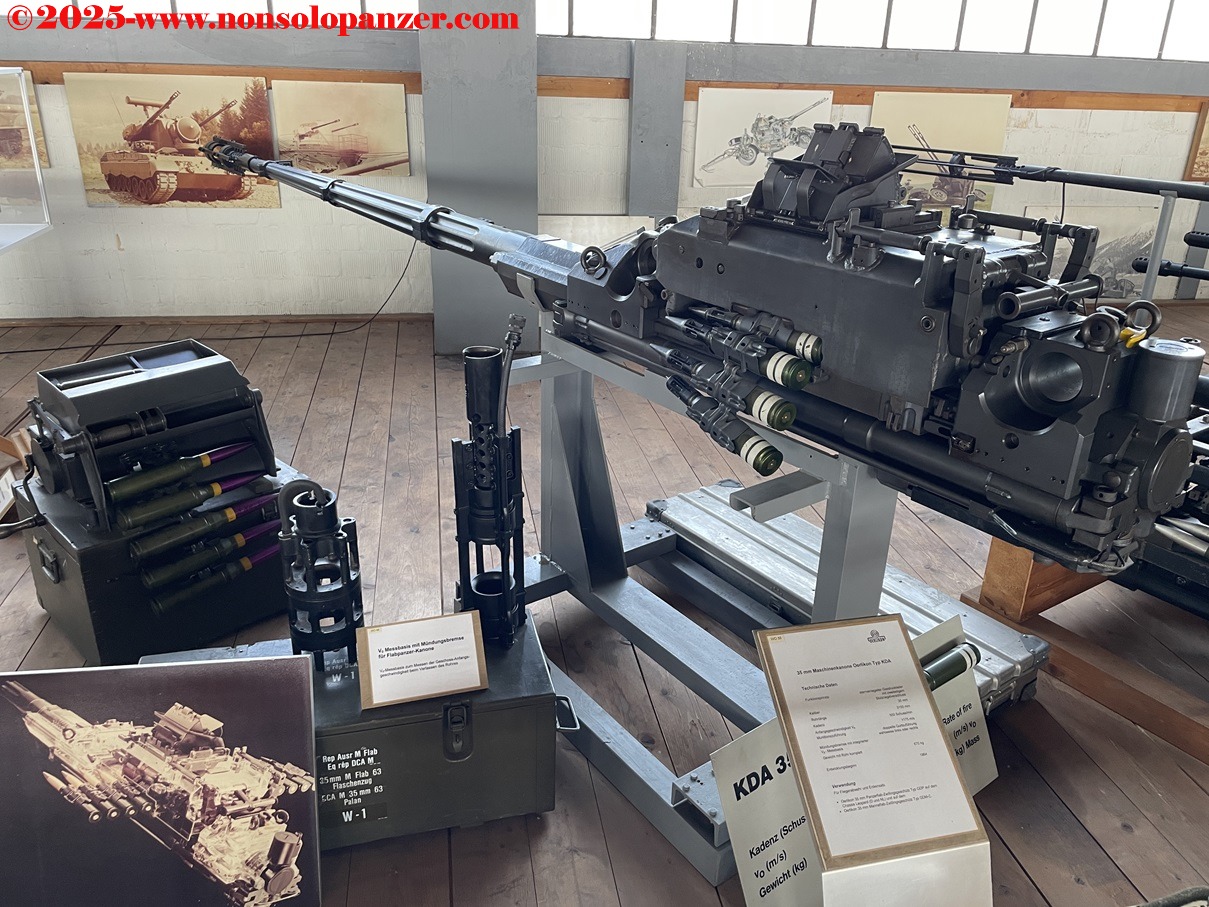
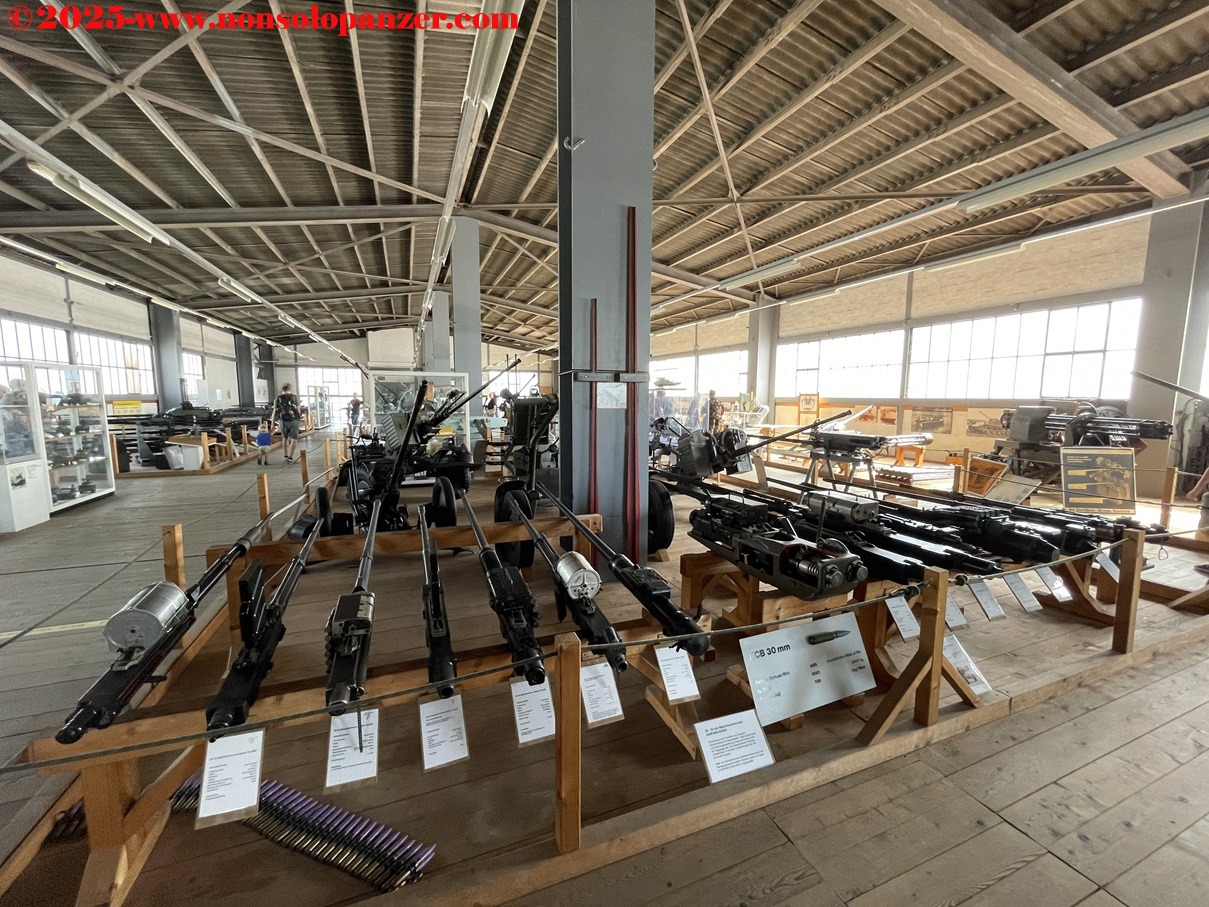
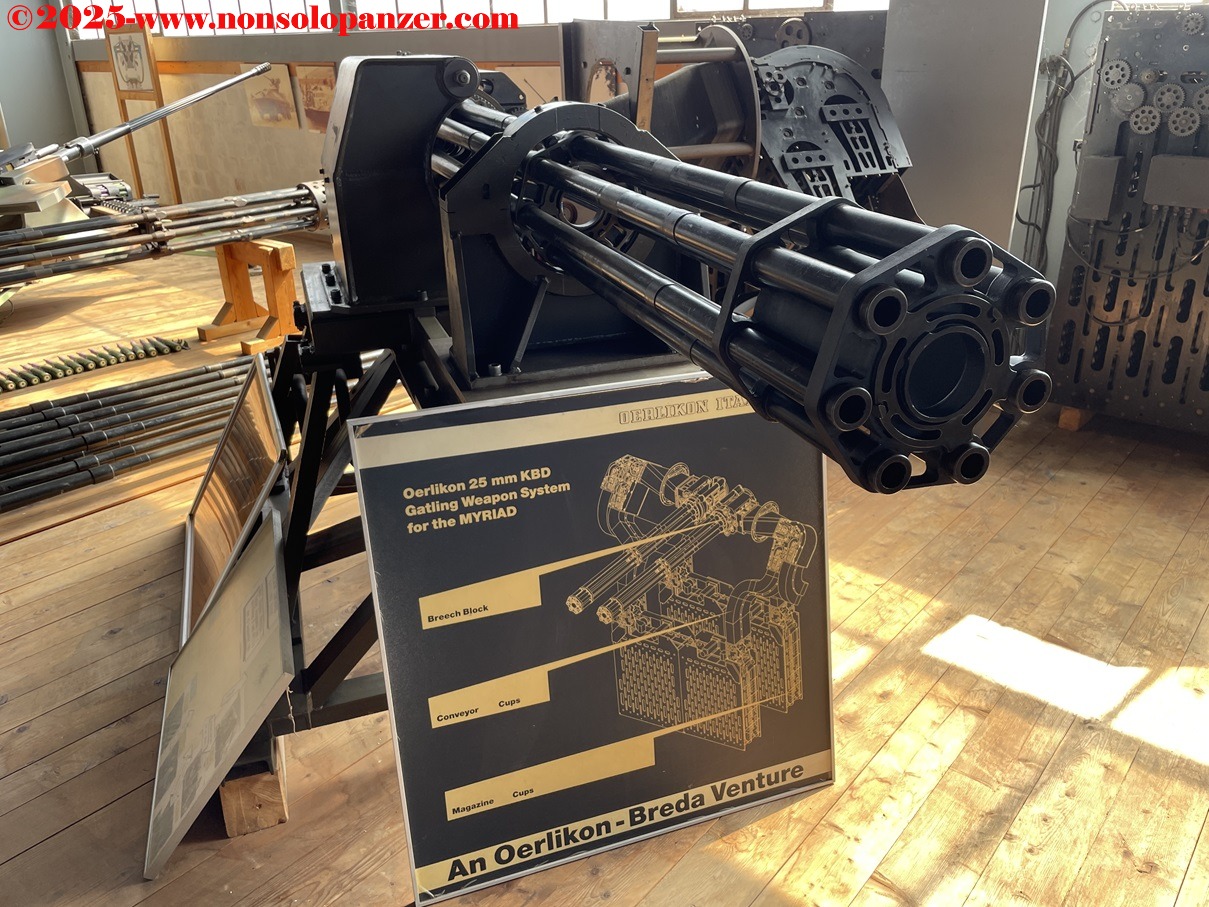

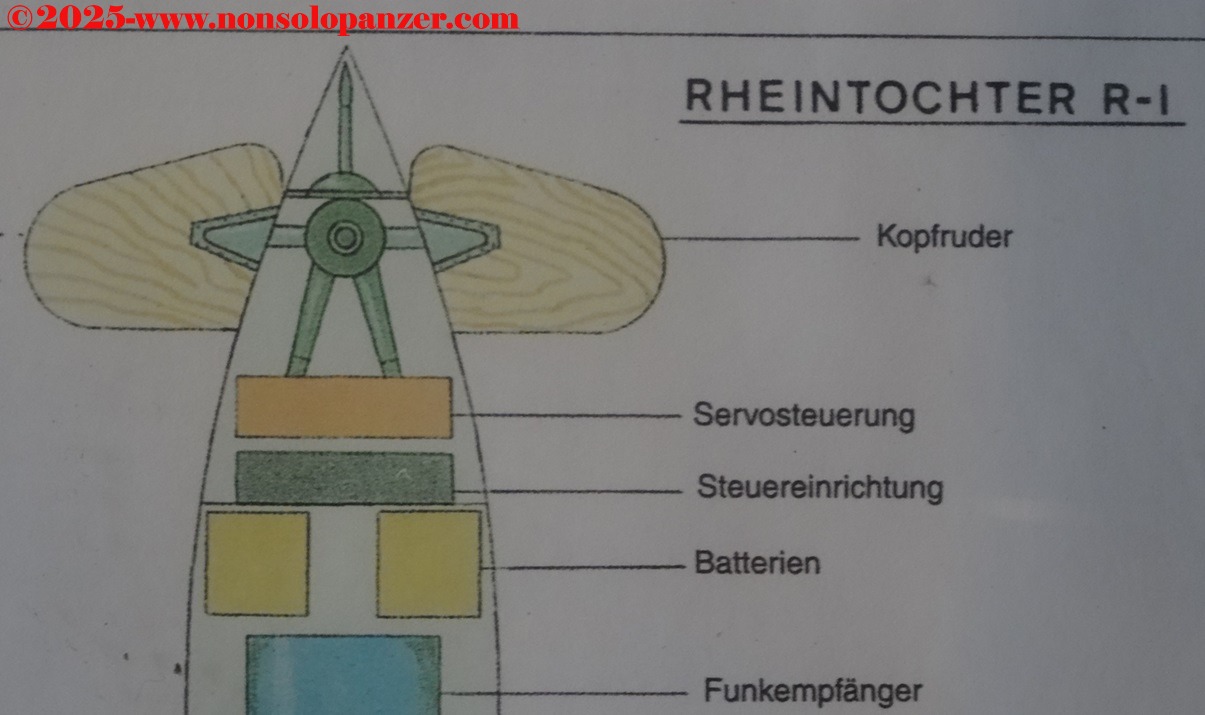

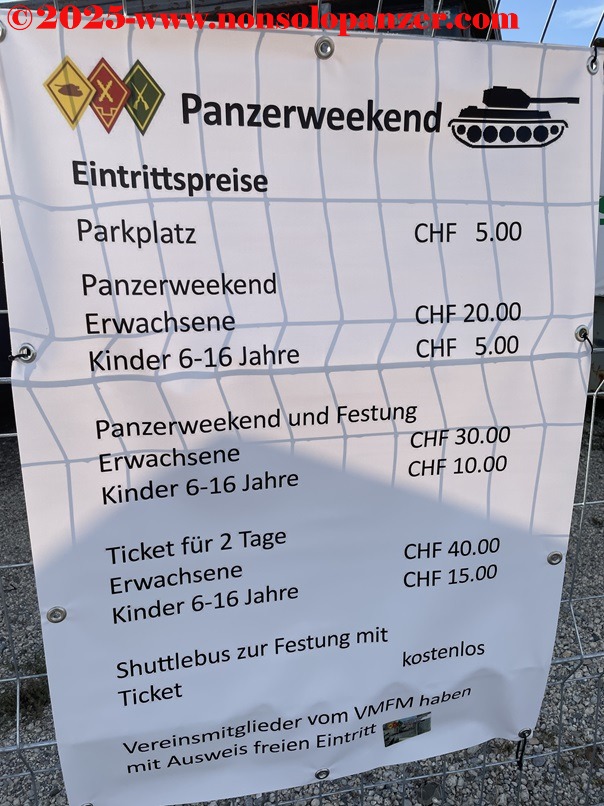
Ho deciso di visitare lo Schweizerisches Militärmuseum Full durante il primo weekend di settembre, in occasione del Panzerweekend. Questo evento è un’occasione speciale in cui i visitatori possono vedere non solo la collezione del museo normalmente aperta al pubblico ma anche accedere all’officina, assistere al carosello di alcuni carri armati ed avere un’idea della vita militare dell’epoca grazie a gruppi di Reenactment.
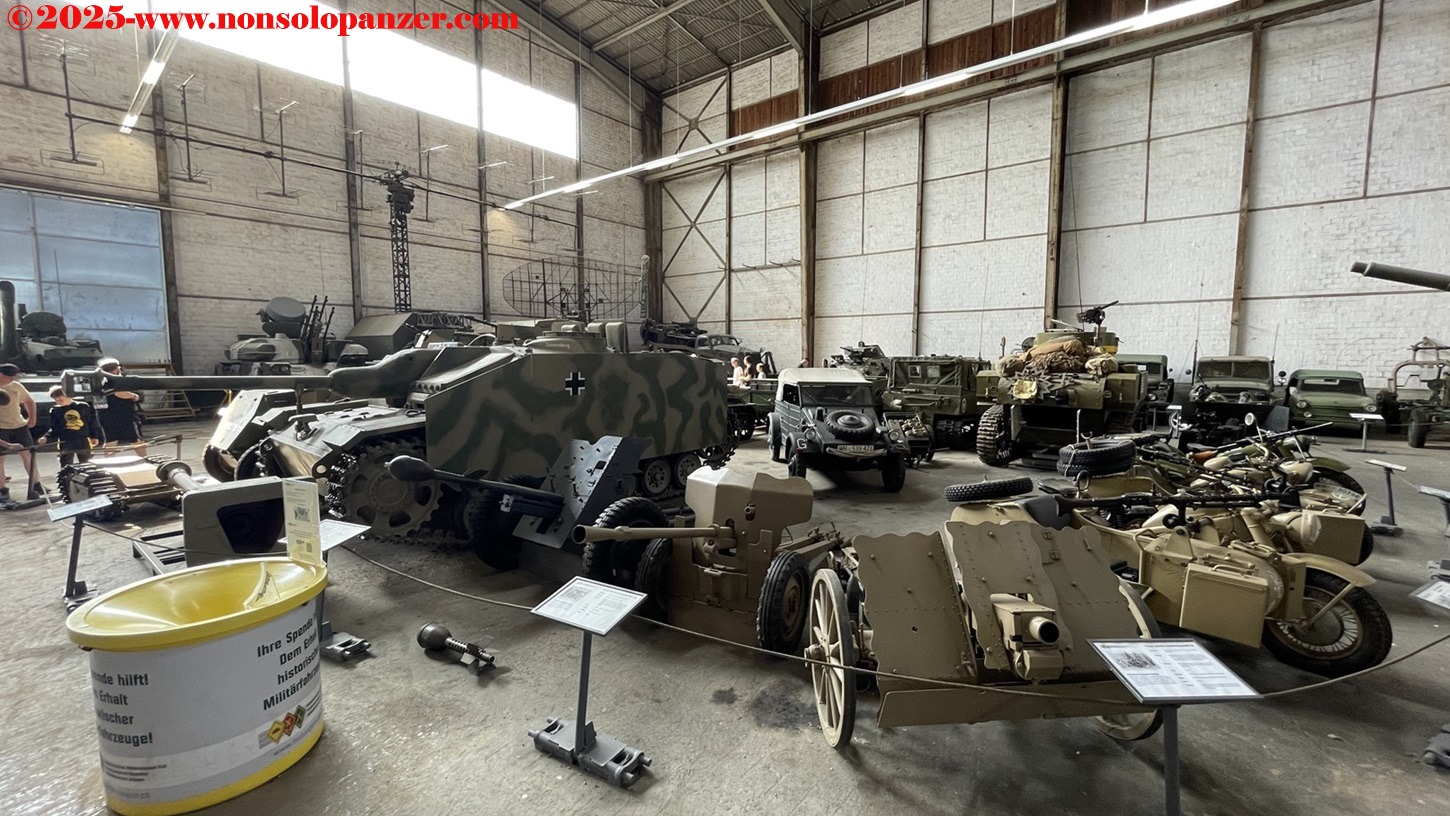
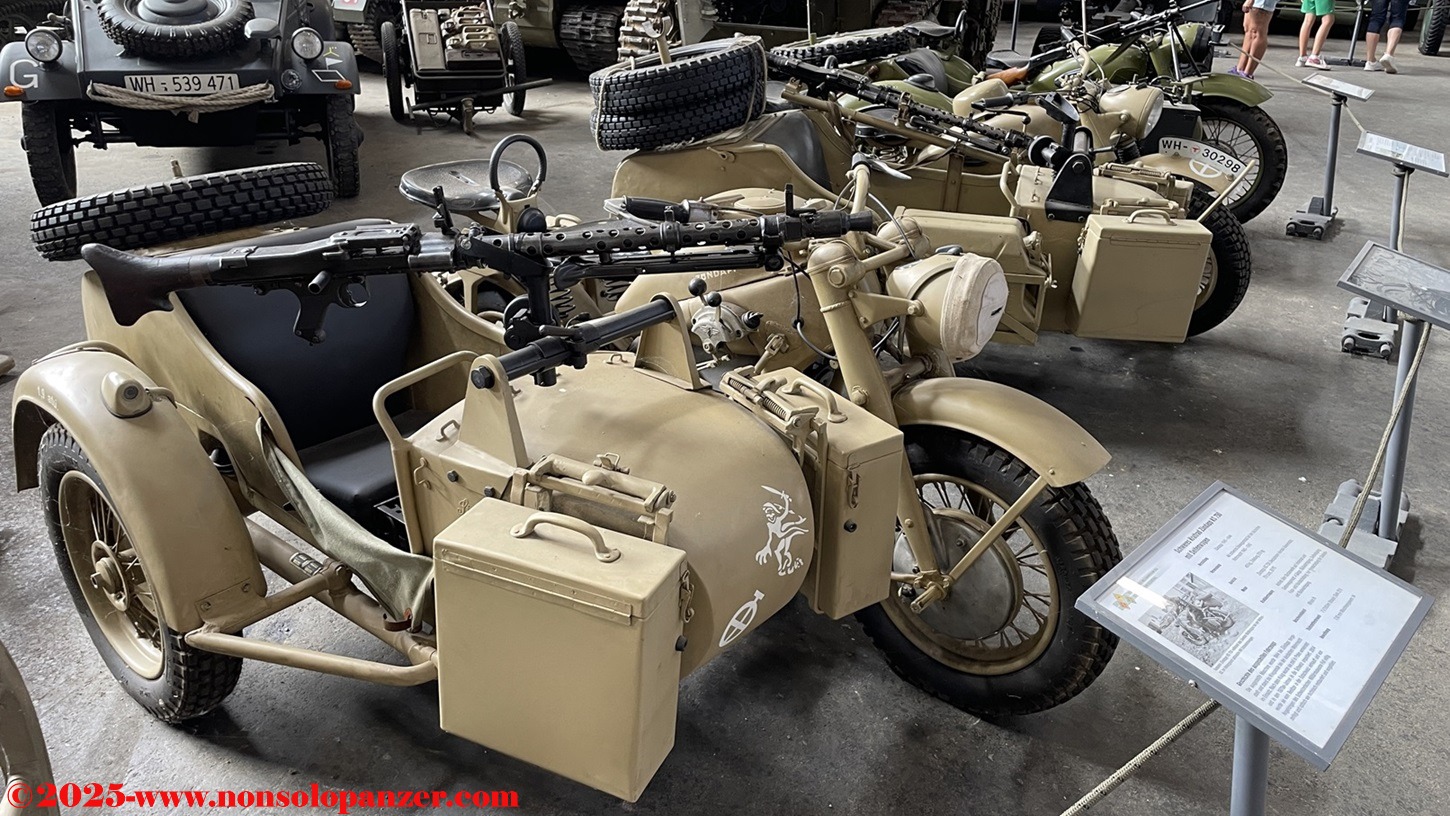
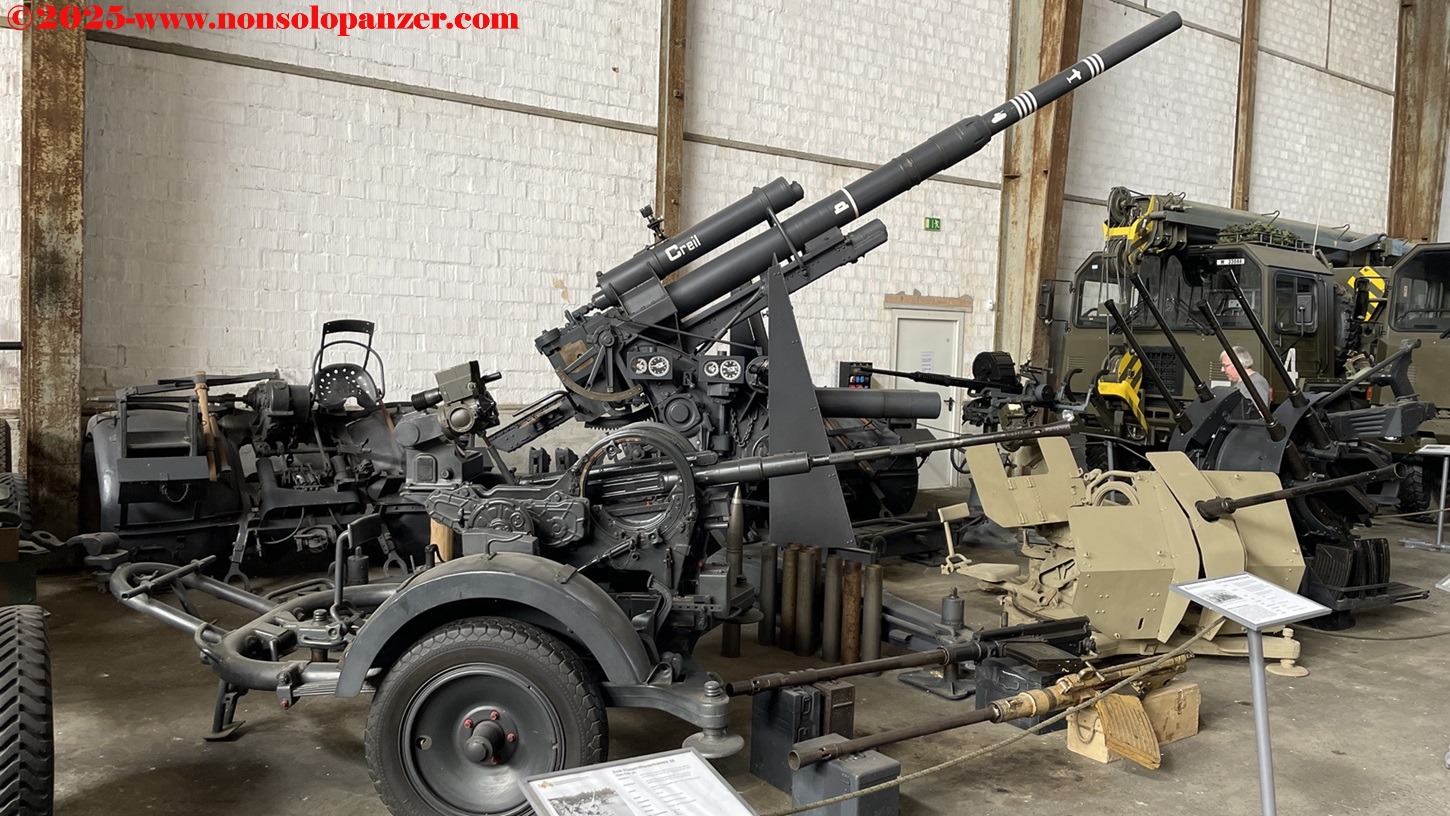
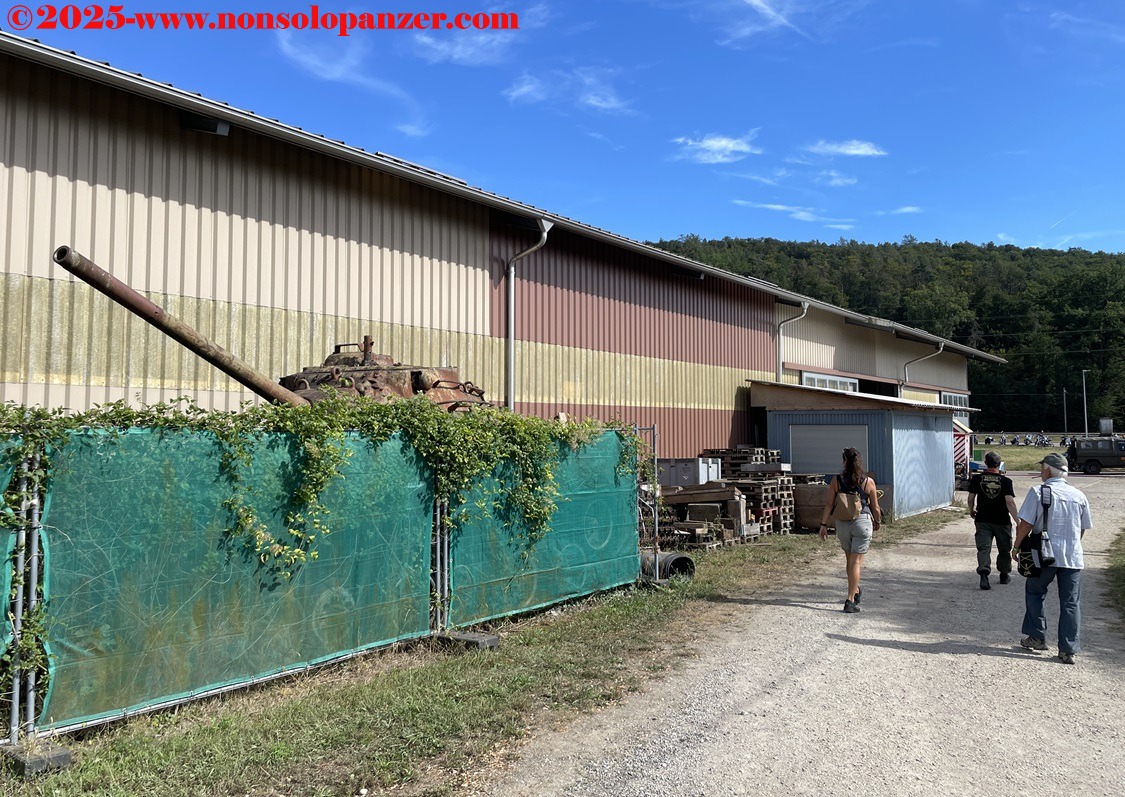
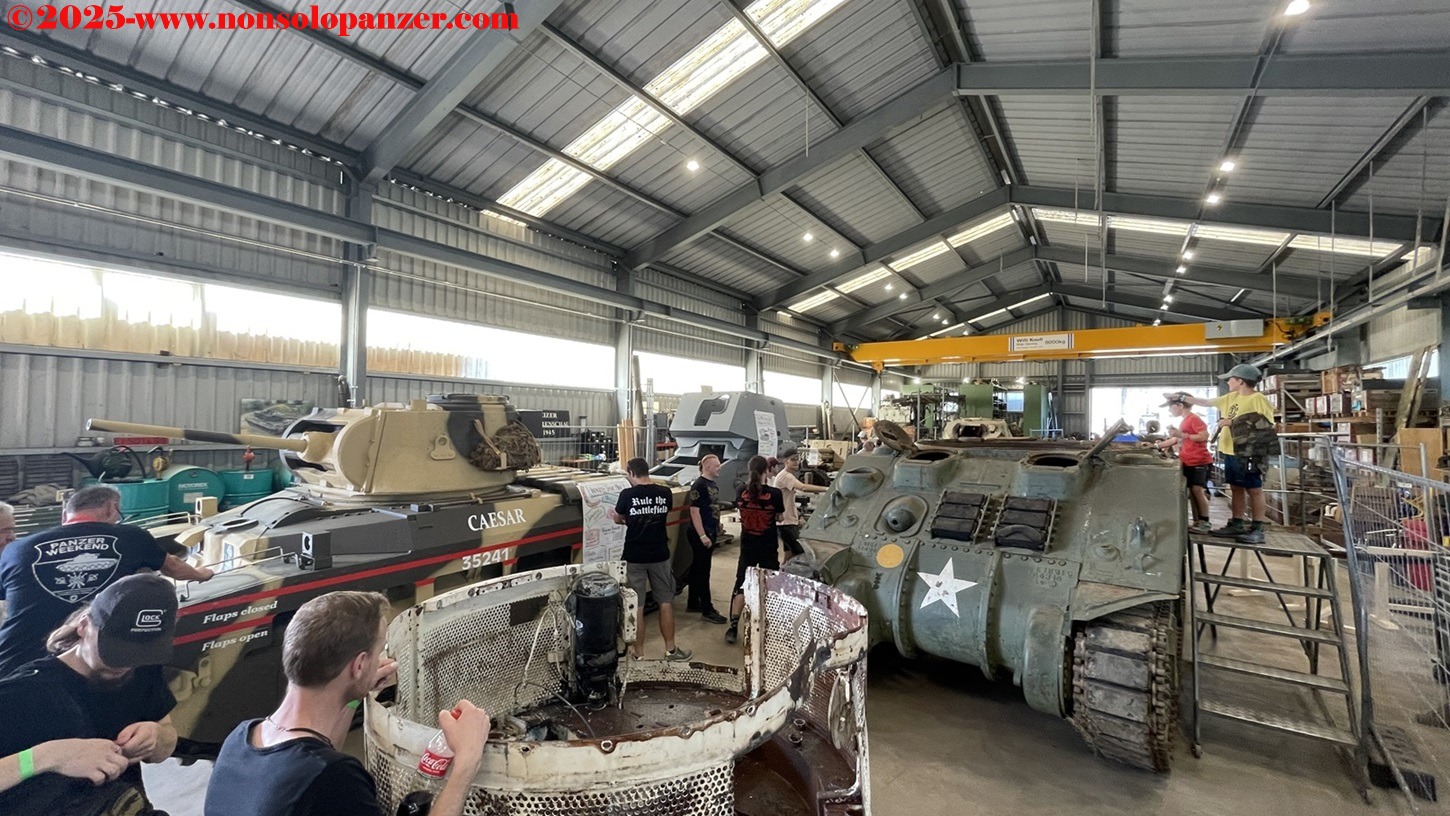
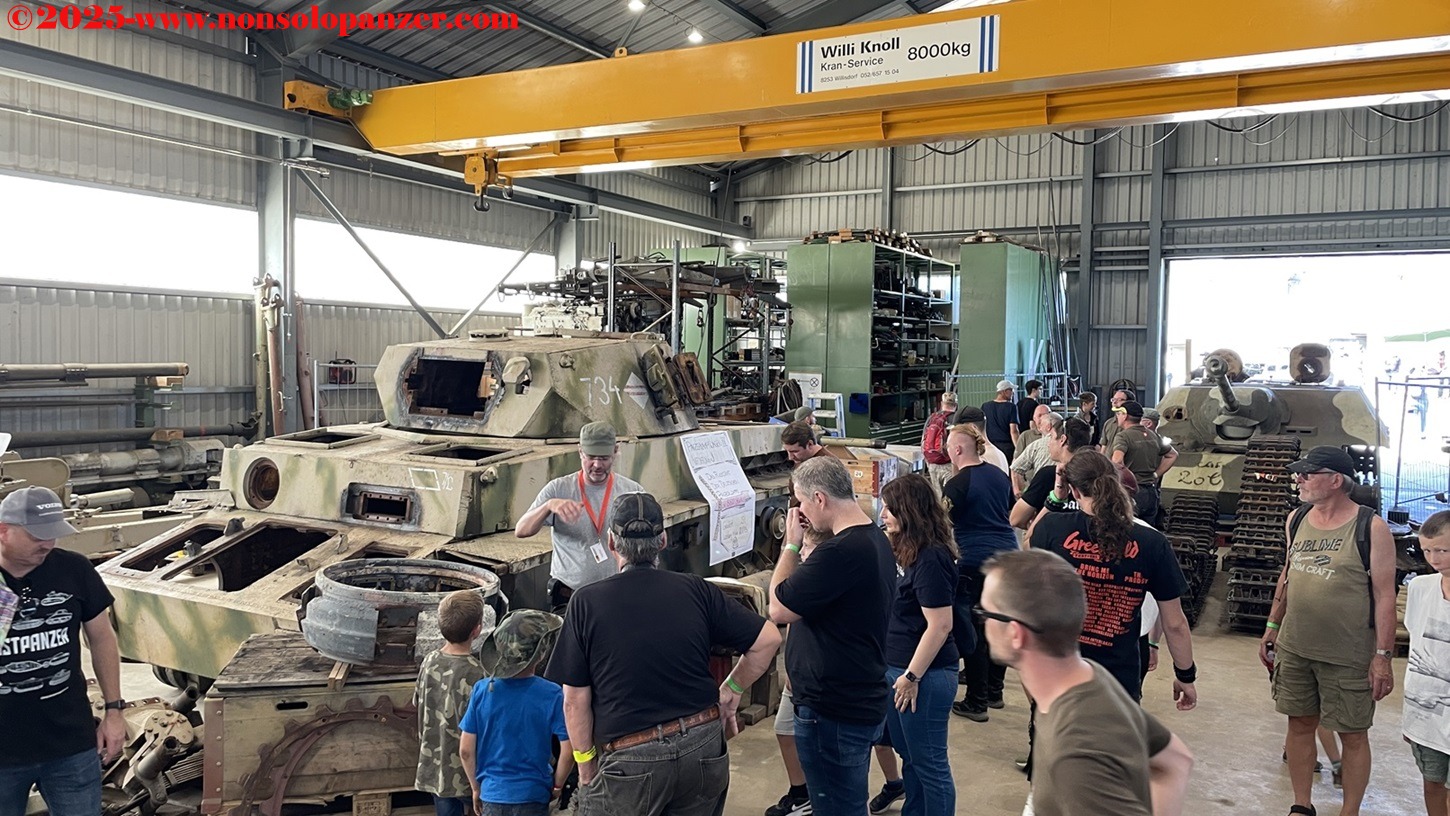
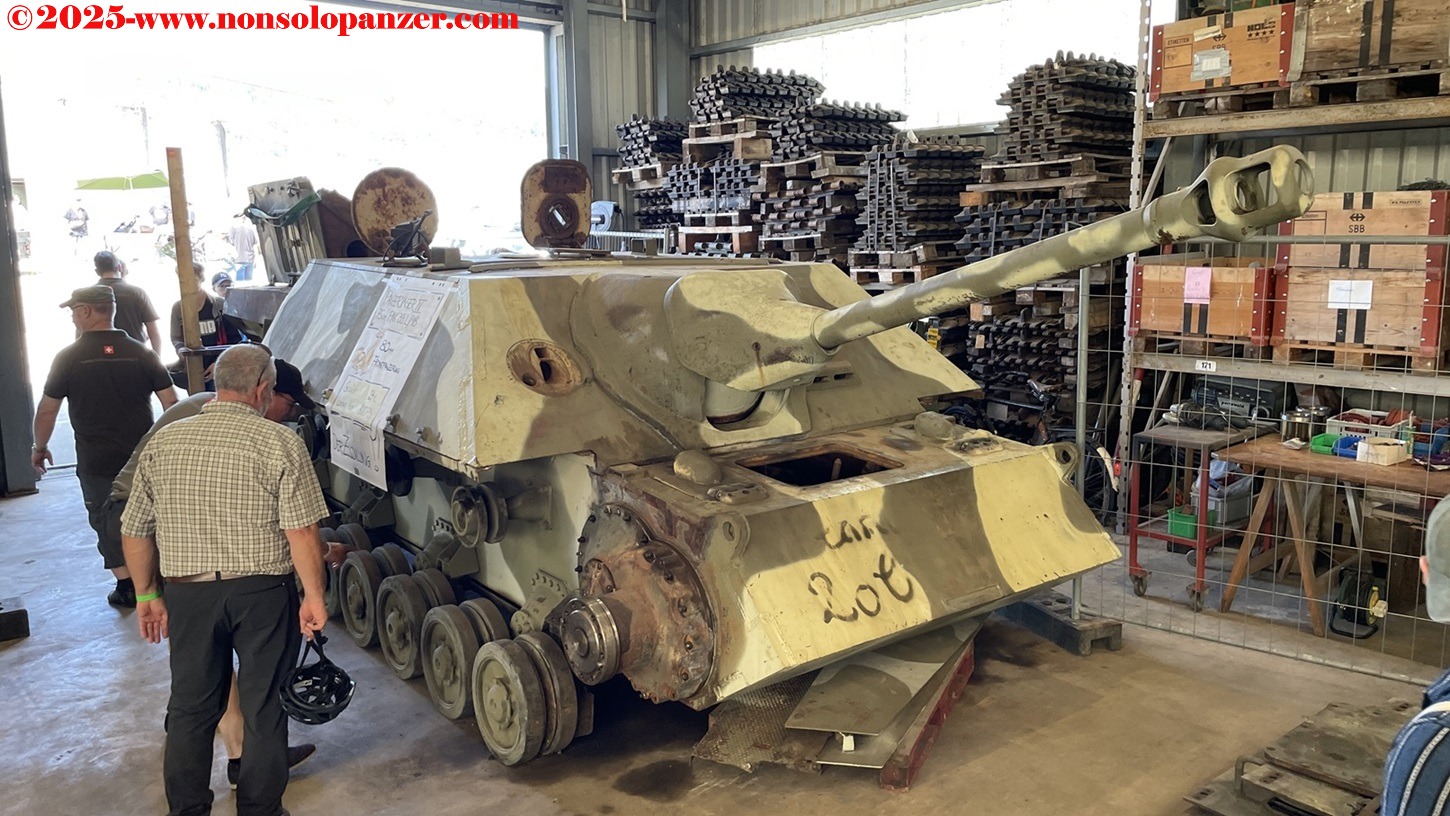
Ho preso il venerdì pomeriggio di ferie e sono arrivato a Full-Reuenthal in serata. Ho alloggiato nei pressi della cittadina e il sabato mattina mi sono recato al museo. Non mi aspettavo tanta affluenza di pubblico né un museo così grande ed interessante. Sono rimasto davvero esterrefatto ed entusiasta. Ho potuto vedere il Tiger II in restauro e accedere alle officine dove sono in corso lavori su un Panzer IV Ausf. J e uno Jagdpanzer IV/L48 (tutti visti da ragazzino a Thun più di trent’anni fa). Oltre a questi, nella collezione del museo ci sono altri bellissimi esemplari di armamenti tedeschi della Seconda Guerra Mondiale. Nei prossimi articoli tratterò singolarmente quelli che hanno maggiormente attratto il mio interesse. Per ora, godetevi delle foto generiche per capire l’importanza del Schweizerisches Militärmuseum Full.

English Language
Switzerland has been a neutral nation for just over a century, but that doesn’t mean it lacks an army and a military tradition. Neutrality, in fact, is a political choice that has its price. The territory of a neutral country is inviolable under international law, but this does not exclude suffering the effects of a border war or being invaded by a hostile army. A neutral country, therefore, is such because it has not entered into alliances and does not adhere to a specific side but must be able to defend itself with its own army. Switzerland is no exception. It is therefore not surprising that the Schweizerisches Militärmuseum Full exists.
Located on the outskirts of the town of Full-Reuenthal, in the canton of Aargau, this museum was totally unknown to me until a few months ago. Nevertheless, its construction on a former industrial site began in 1998 and opened to the public on September 10, 1992. In April 2010, the construction of a new and modern exhibition hall was completed, which allowed the museum to further expand its collection and offer itself to visitors at its best. And it is precisely wonder and surprise that arouse the large number of weapons, vehicles and uniforms on display in the museum and belonging to national (including the guns of the Oerlikon-Bührle) and foreign armed forces. The considerable collection of German armaments from the Second World War is simply astonishing, but this should not be too surprising.
In Switzerland, in fact, there was a tank museum in Thun, which housed a significant collection of German Panzers recovered after the Second World War. These vehicles were purchased by the Swiss government to better understand the technologies developed during the conflict and to improve its defensive capabilities. After tests and studies, the vehicles were gathered in Thun and exhibited to the public in a large outdoor space. Obviously, this did not help the state of conservation of the vehicles but Thun was the closest place to Italy where you could admire Panzers. Needless to say, as a kid I convinced my parents to take me there. Intuitively, it was the end of the 80s and it was an electrifying experience that deeply marked my imagination and my interests.
The tank museum in Thun was dismantled and the vehicles were transferred to the Schweizerisches Militärmuseum Full as of September 2006. This relocation made it possible to protect the vehicles from the elements and further degradation. In addition, the Full museum has a workshop where important restoration work is underway on many tanks of undoubted historical importance. When the work is completed, I am not afraid of contradiction by stating that the Schweizerisches Militärmuseum Full will have little to envy to the Musée des Blindés de Saumur.
I decided to visit the Schweizerisches Militärmuseum Full during the first weekend of September, on the occasion of the Panzerweekend. This event is a special occasion where visitors can see not only the museum’s collection normally open to the public but also access the workshop, watch the carousel of some tanks and get an idea of military life at the time thanks to Reenactment groups.
I took Friday afternoon vacation and arrived in Full-Reuenthal in the evening. I stayed near the town and on Saturday morning I went to the museum. I did not expect so many people or such a large and interesting museum. I was really amazed and excited. I was able to see the Tiger II being restored and access the workshops where work is underway on a Panzer IV Ausf. J and a Jagdpanzer IV/L48 (all seen as a kid in Thun more than thirty years ago). In addition to these, there are other beautiful examples of German armaments from the Second World War in the museum’s collection. In the next articles I will deal individually with those that have most attracted my interest. For now, enjoy some general photos to understand the importance of the Schweizerisches Militärmuseum Full.
 NonSoloPanzer