

La Maschinengewehr MG 151/20 era, secondo la classificazione tedesca dell’epoca, una mitragliatrice pesante per uso aeronautico (i cannoni automatici, detti MK-Maschinenkanone, includevano calibri a partire da 3 cm). Quest’arma, sviluppata da Waffenfabrik Mauser AG e prodotta dal 1941 al 1945, fu ampiamente utilizzata dalla Luftwaffe su vari tipi di aerei da combattimento, tra cui caccia, bombardieri e aerei da attacco al suolo. Particolarmente iconico è l’uso sul caccia Me-109 in cui la MG 151 era montata direttamente nella V dei motori in linea con la bocca da fuoco al centro del mozzo dell’elica. Originariamente concepita col calibro da 1,5 cm (MG 151/15), la necessità di una maggiore potenza di fuoco portò alla sua conversione in 2 cm (MG 151/20). Tale incremento non fu sufficiente. Anno dopo anno, la Luftwaffe perse il dominio dei cieli, schiacciata fra caccia avversari sempre più corazzati e bombardieri pesanti come i B-17, non a caso chiamati “Fortezze volanti”. Contro tutto ciò, la Luftwaffe schierava pochi caccia nelle mani di piloti sempre più giovani ed inesperti. Per compensare condizioni tanto sfavorevoli, erano necessari cannoni in grado di abbattere i quadrimotori con soli due o tre colpi a segno. La MG 151/20 fu, quindi, sostituita da armi come l’MK-103 e MK-108 da 3 cm.
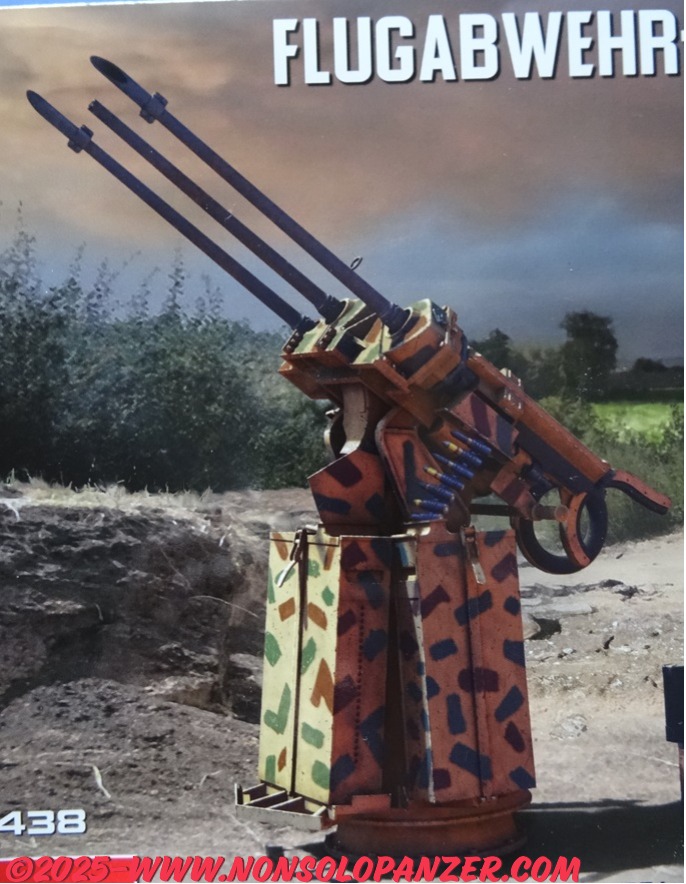

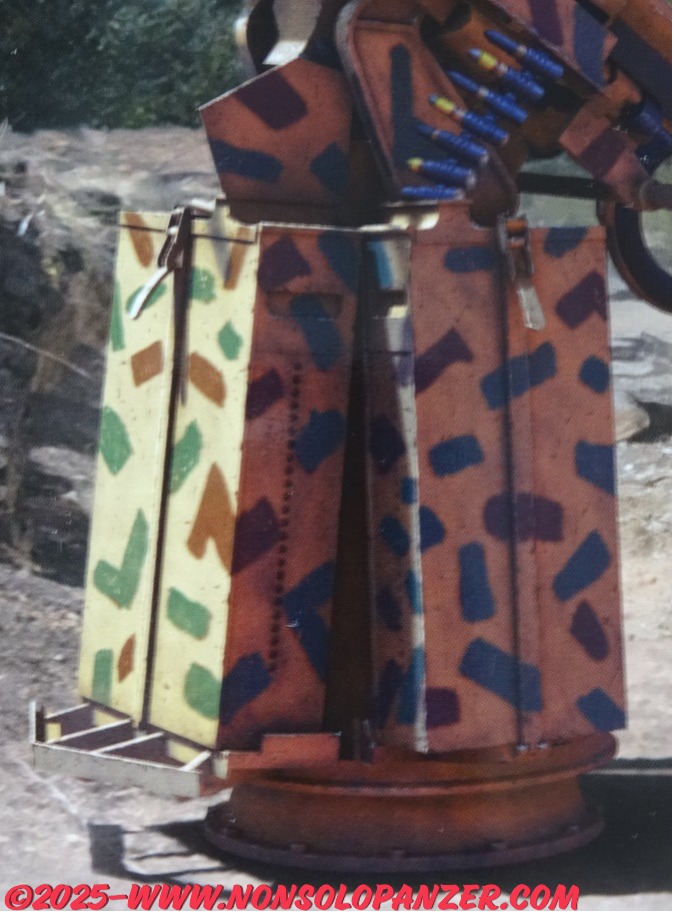

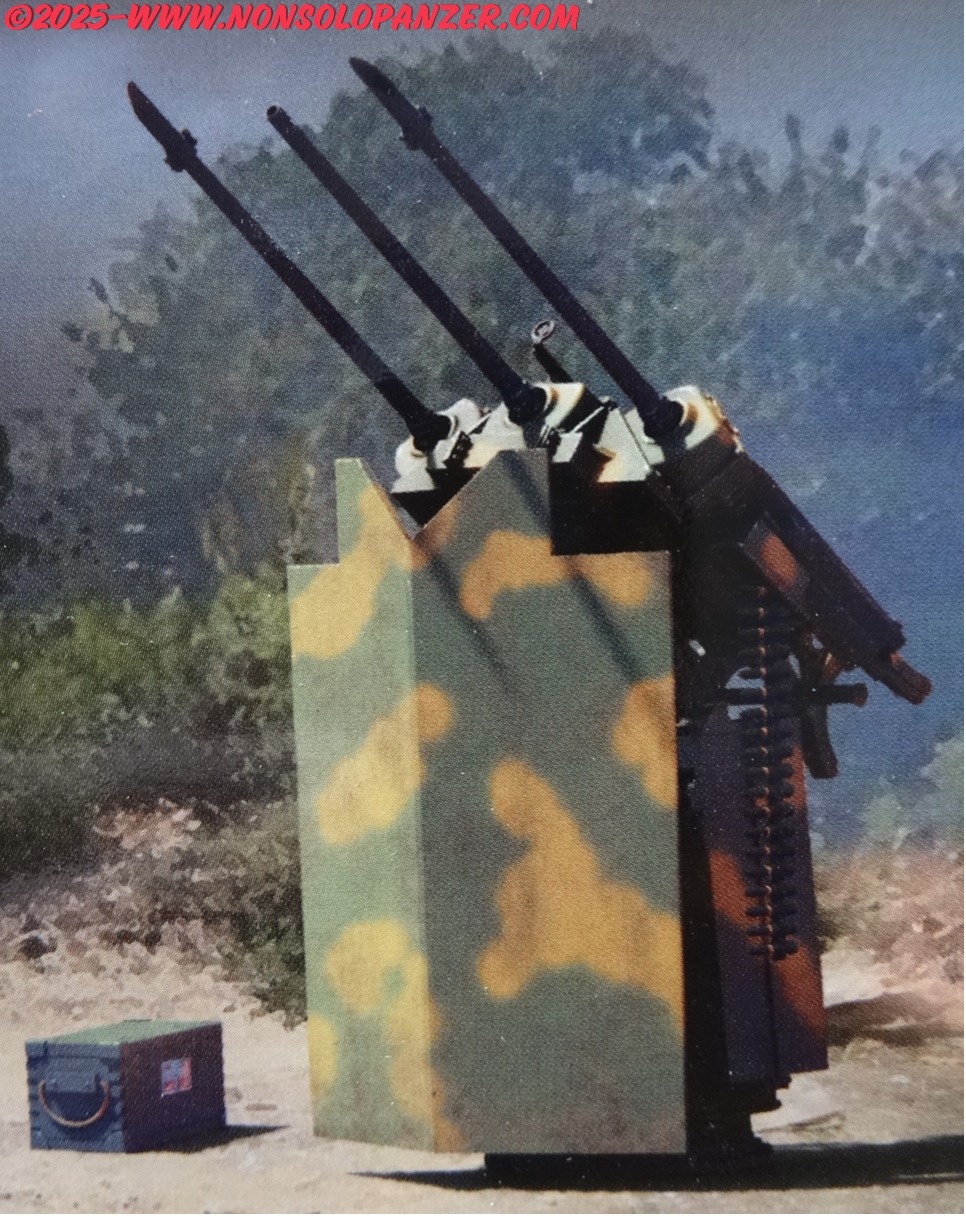
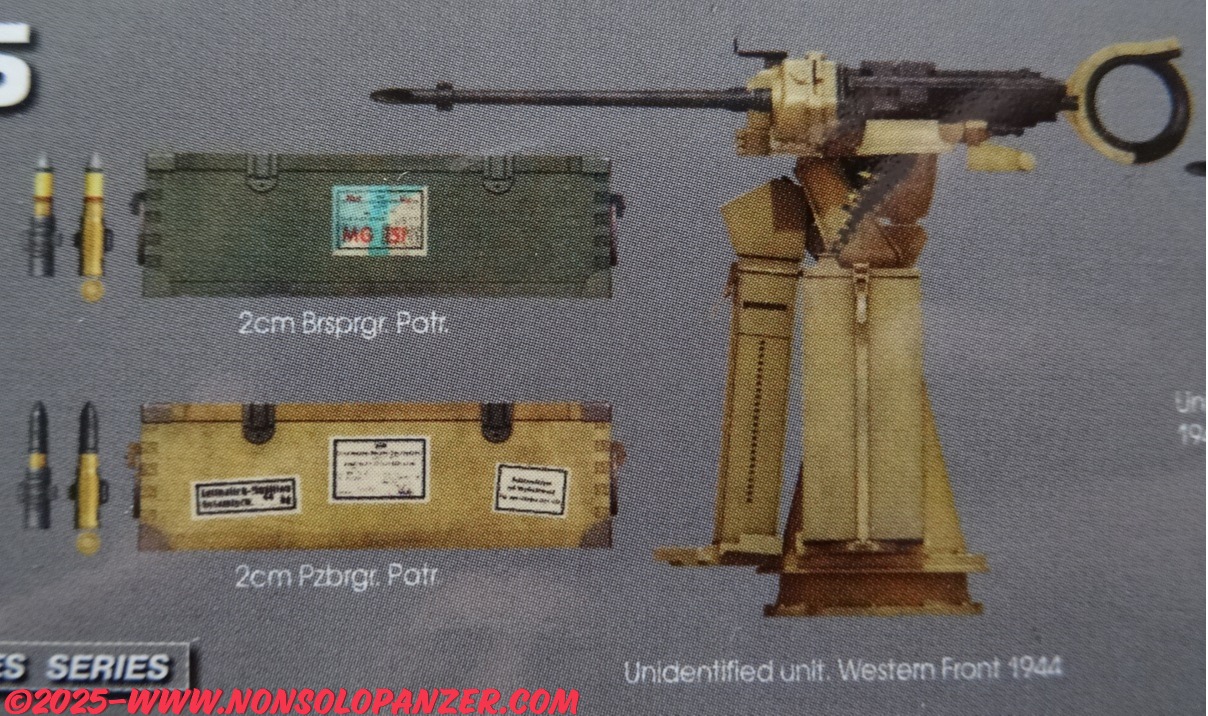
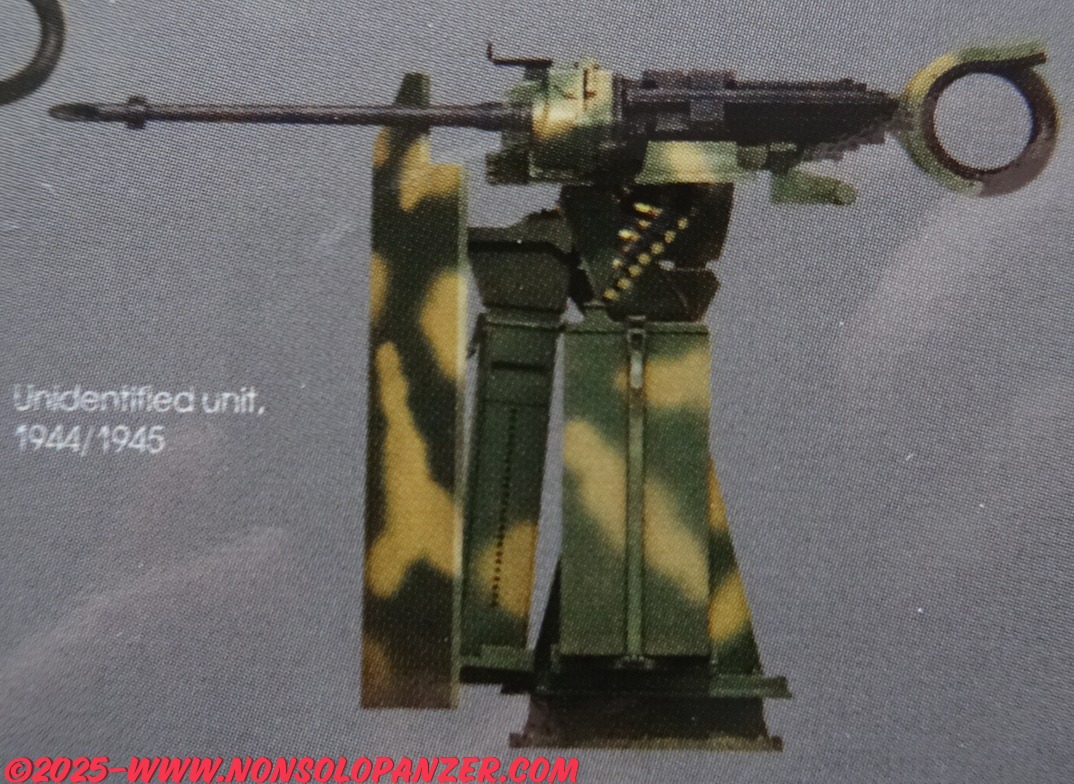
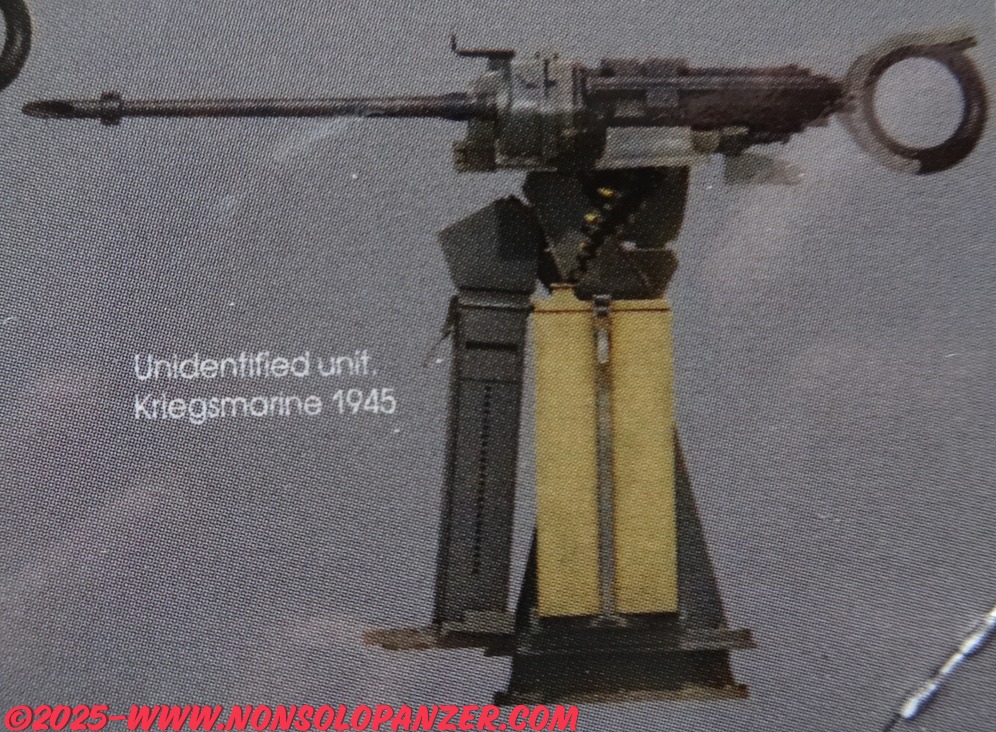
L’abbandono della MG 151/20 rese disponibili ampi stock di queste armi di cui si appropriò la Wehrmacht, disperatamente bisognosa di armamenti antiaerei e di supporto al suolo. La MG 151/20 lasciò, quindi, i cieli per essere montata ovunque possibile. Fu, in particolare, creato un affusto per tre MG 151/20, noto come “Drilling” il cui altissimo volume di fuoco offriva un eccellente “ombrello” antiaereo ed aveva effetti devastanti contro la fanteria nemica e i veicoli poco corazzati. Il “Drilling” equipaggiò qualsiasi veicolo potesse trasportarlo e furono costruite anche versioni con piattaforma per il trasporto tramite carrello.
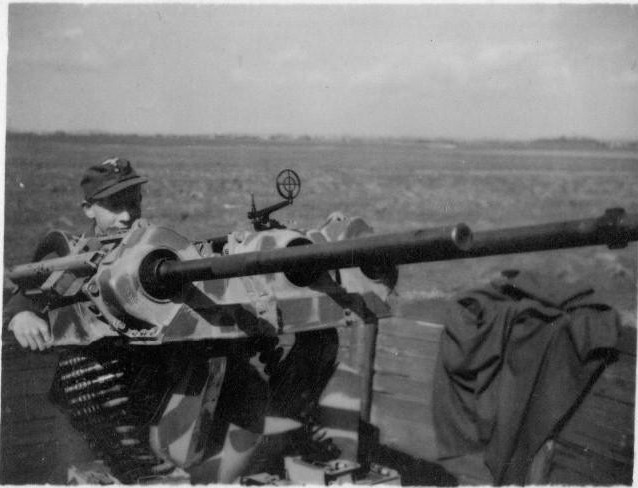


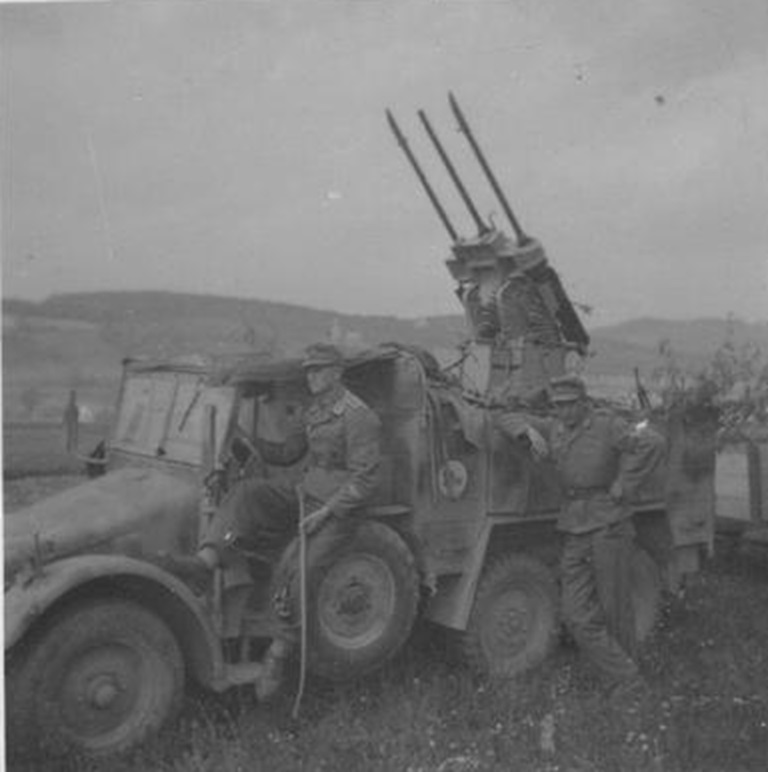
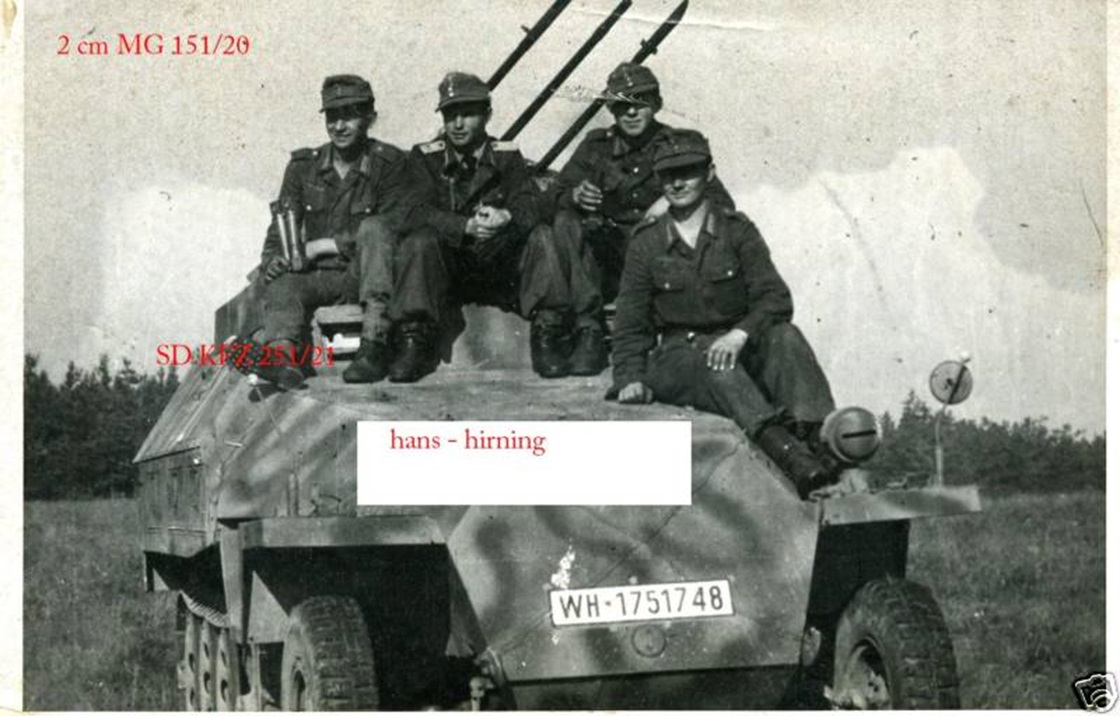
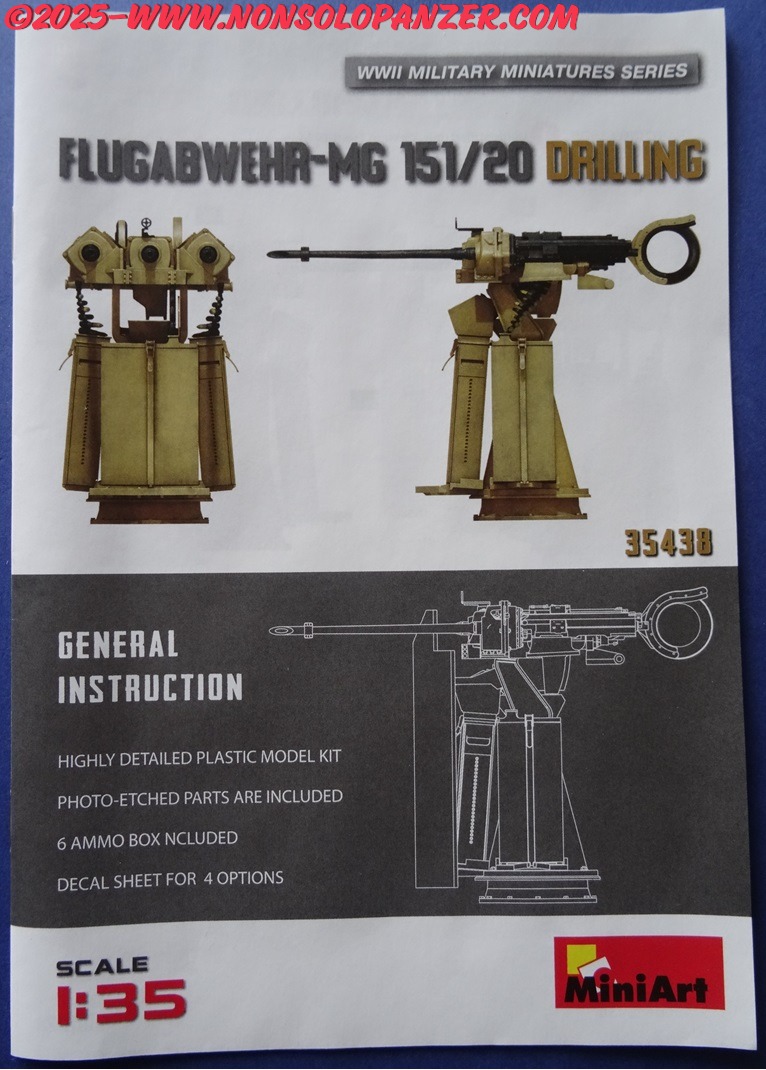
Il kit Flugabwehr MG 151/20 “Drilling” di MiniArt è molto interessante per gli appassionati di modellismo e storia militare. Il “Drilling” è un soggetto originale che non ha mai avuto una trasposizione in kit come affusto singolo (precedentemente era solo parte dei modelli di veicoli che lo trasportavano come l’Sdkfz. 251/21). Inoltre, la scatola di montaggio MiniArt contiene i pezzi per costruire un “Drilling” con varie opzioni di montaggio (con o senza scudi protettivi sia al sistema d’arma che all’affusto). Non mancano le casse di munizioni ed i nastri di proiettili che alimentano le MG 151/20.
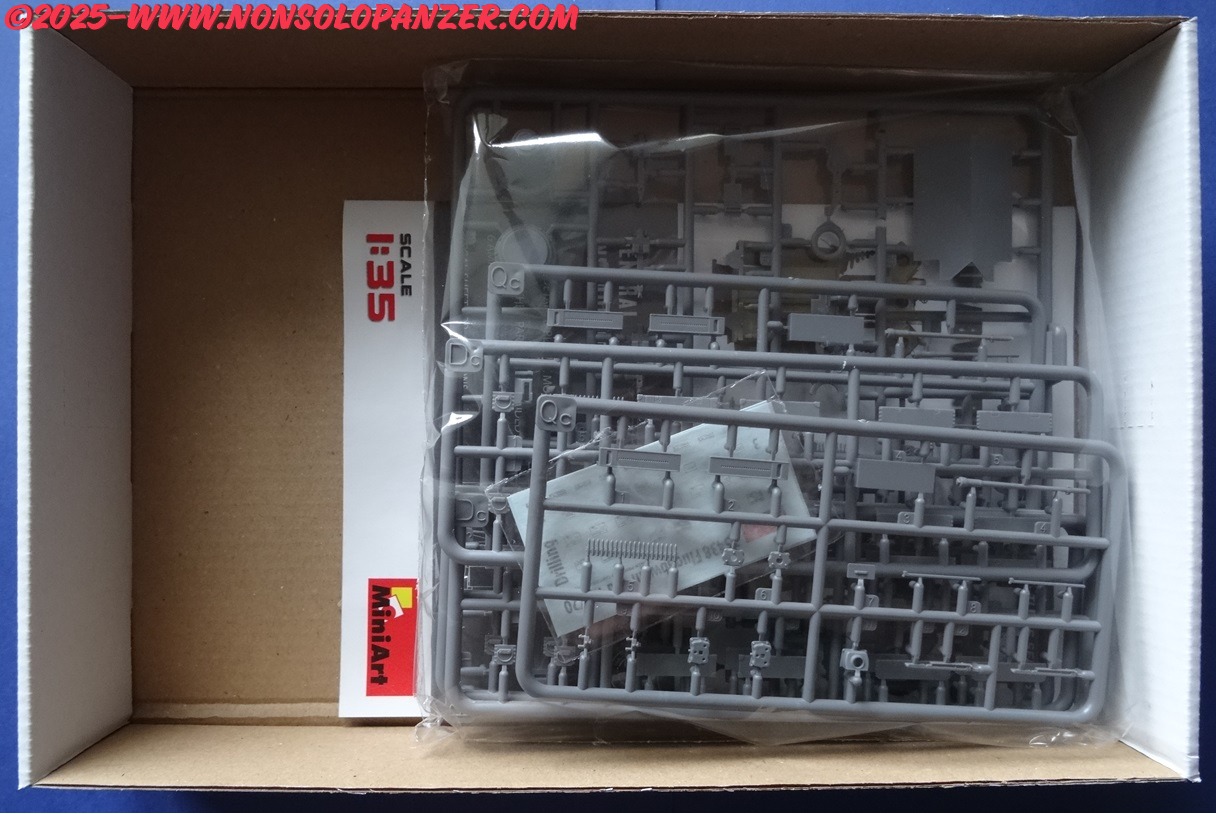
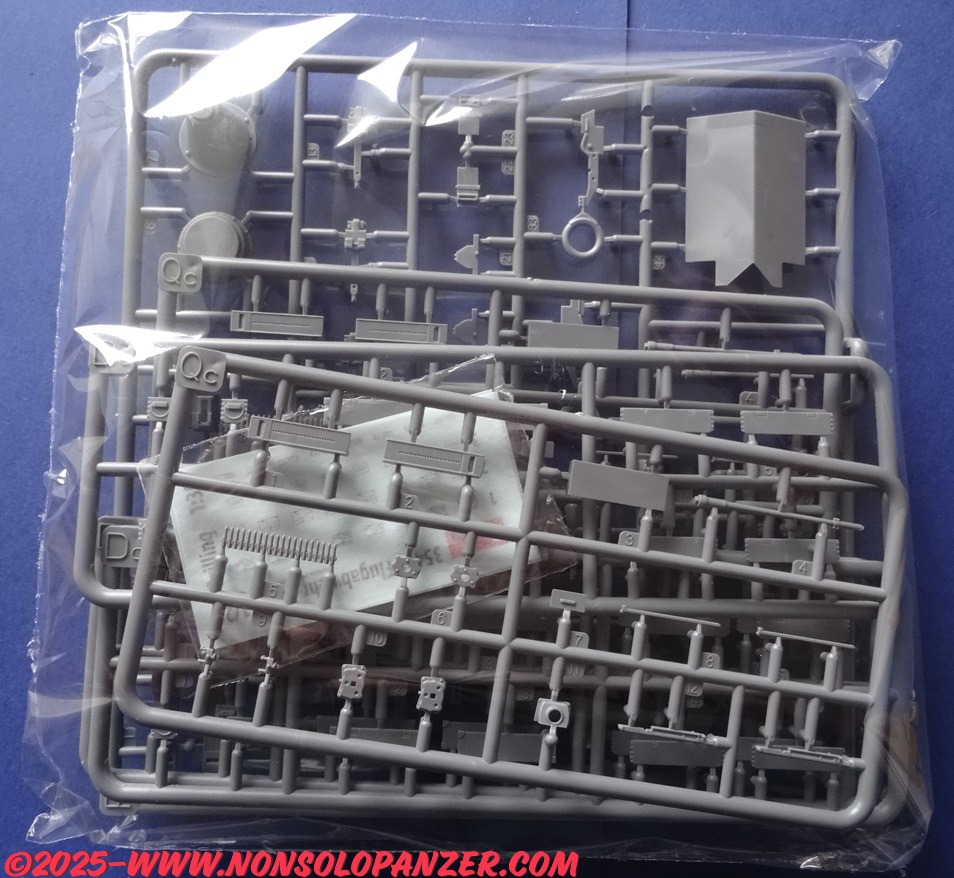


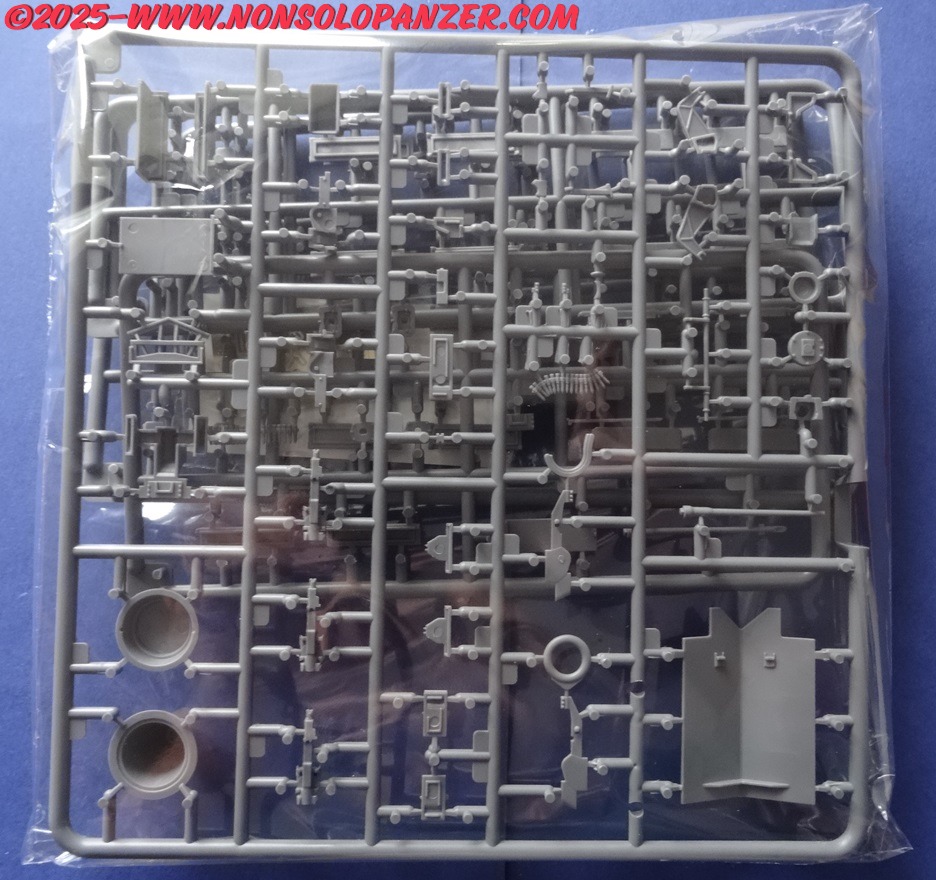
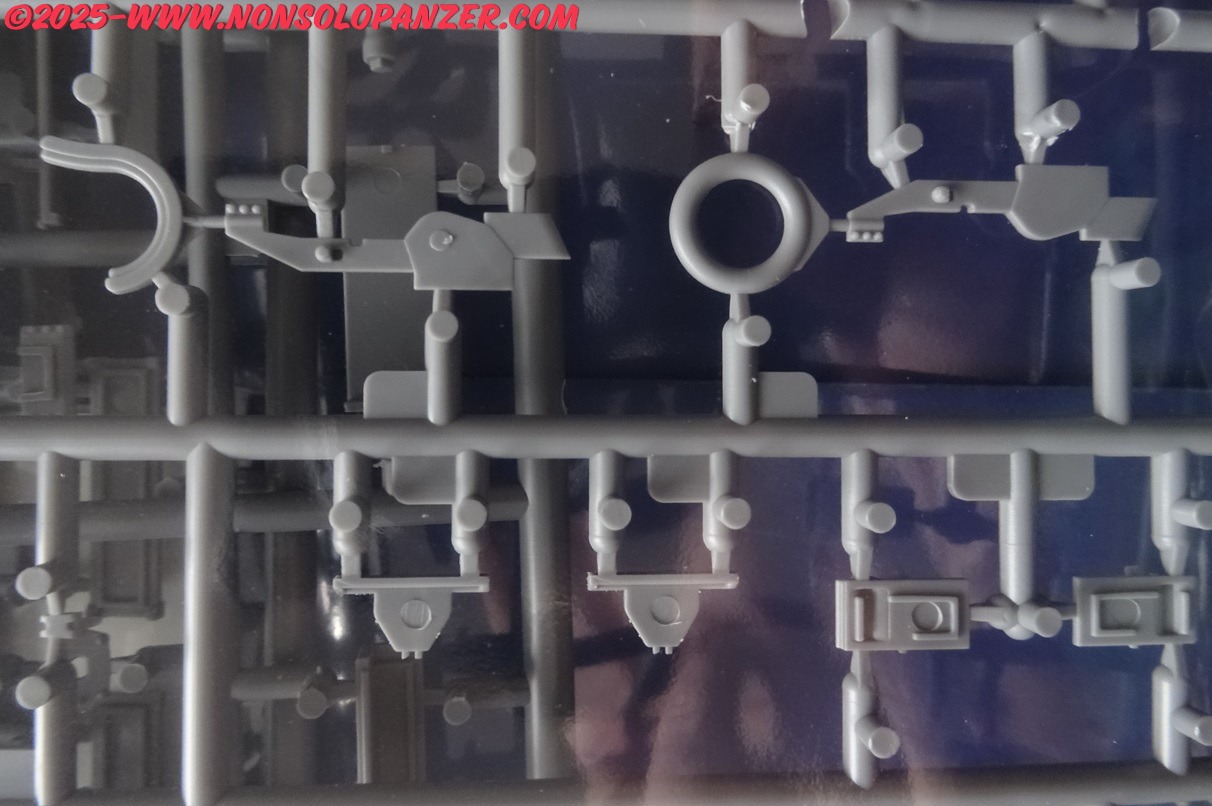


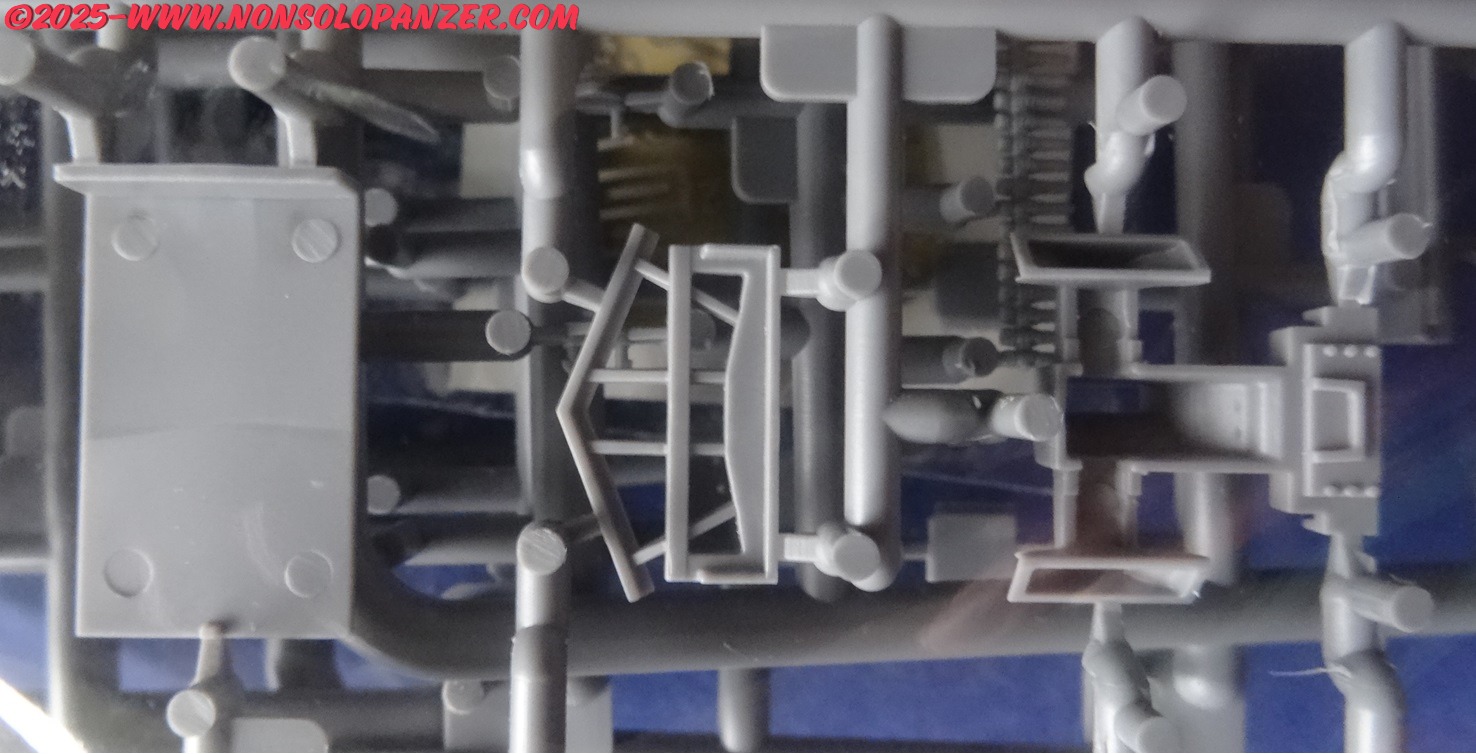
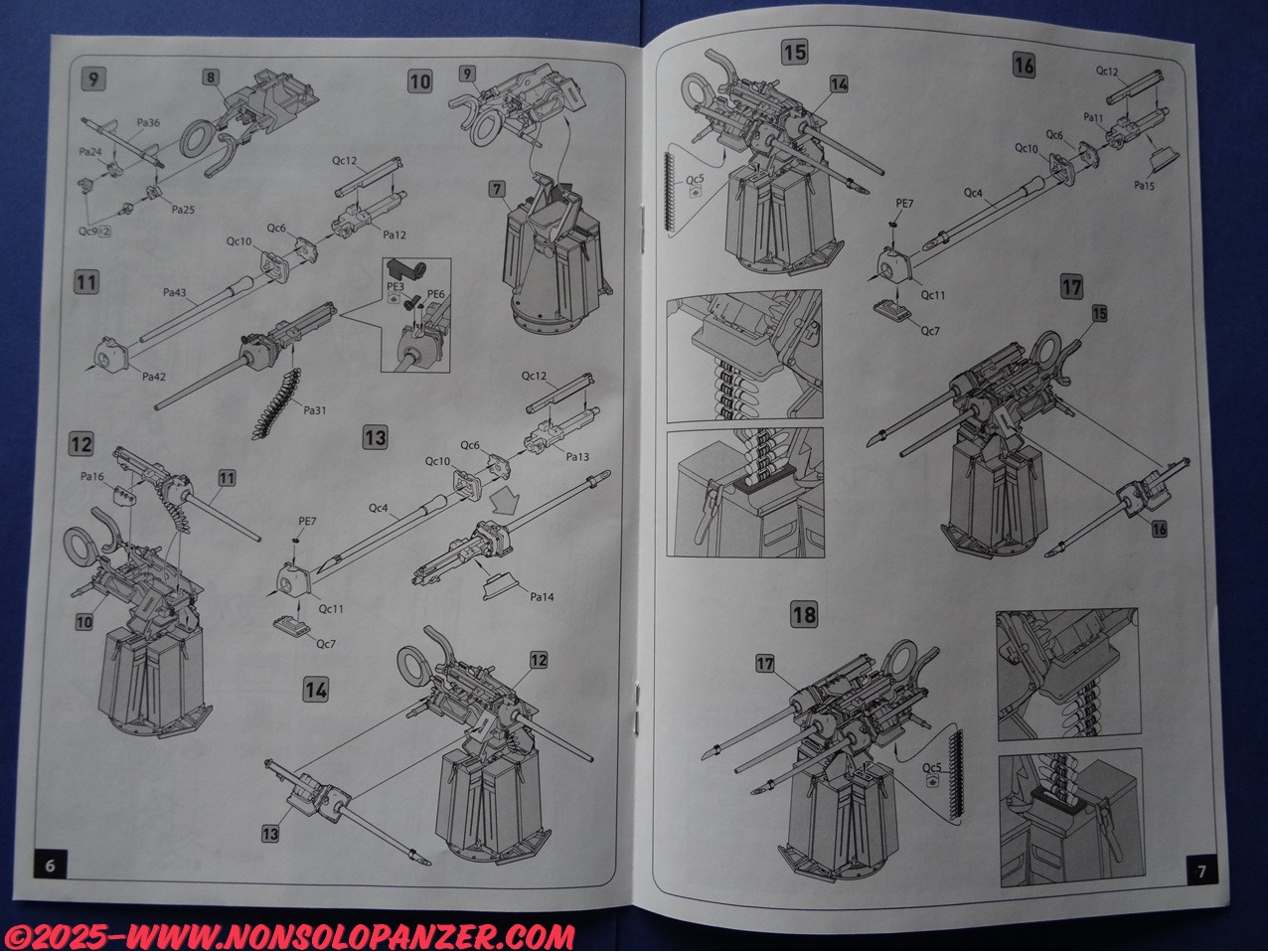
I pezzi del kit sono ben stampati e con buoni dettagli, ma l’affusto è assai complesso. Set in resina o stampati in 3D, fotoincisioni e canne in metallo sono probabilmente essenziali per ottenere un modello di qualità. La scatola di montaggio, infine, include il solo affusto del “Drilling”. Le opzioni d’uso, quindi, sono limitate al montaggio su veicoli o all’istallazione su basamenti fissi in cemento. Mi auguro che il “Drilling” con piattaforma mobile e carrello per il tranino siano oggetto di un futuro kit.

English Language
The Maschinengewehr MG 151/20 was, according to the German classification, a heavy machine gun for aircraft use (the automatic cannons, called MK-Maschinenkanone, included calibers starting from 3 cm). This weapon, developed by Waffenfabrik Mauser AG and produced from 1941 to 1945, was widely used by the Luftwaffe on various types of aircraft, including fighters, bombers and ground attack aircraft. Particularly iconic is the use on the Me-109 fighter in which the MG 151 was mounted directly in the V of the in-line engines with the muzzle in the center of the propeller hub. Originally designed with the 1.5 cm caliber(MG 151/15), the need for greater firepower led to its conversion to 2 cm (MG 151/20). This increase was not enough. Year after year, the Luftwaffe lost dominance of the skies, crushed between increasingly armored enemy fighters and heavy bombers such as the B-17s, not surprisingly called “Flying Fortresses“. Against all this, the Luftwaffe deployed a few fighters in the hands of young and inexperienced pilots. To compensate such unfavorable conditions, guns capable of shooting down four-engine aircraft with only two or three hits were needed. The MG 151/20 was, therefore, replaced by weapons such as the 3 cm MK-103 and MK-108.
The rejection of the MG 151/20 made available large stocks of these weapons that were taken by the Wehrmacht, desperately in need of anti-aircraft and ground support armaments. The MG 151/20 therefore left the skies to be mounted wherever possible. In particular, a carriage was created for three MG 151/20s, known as “Drilling” whose very high volume of fire offered an excellent anti-aircraft “umbrella” and had devastating effects against enemy infantry and lightly armored vehicles. The “Drilling” equipped any vehicle that could carry it and a version with a platform for transport by trolley were also built.
The Flugabwehr MG 151/20 “Drilling” kit from MiniArt is very interesting for modelers and military history enthusiasts. The “Drilling” is an original subject that has never had a kit transposition (previously it was only part of the vehicle models that carried it such as the Sdkfz. 251/21). In addition, the MiniArt assembly box contains the pieces to build one “Drilling” with various mounting options (with or without protective shields for both the weapon system and the carriage). There are also ammunition crates and bullet belts that feed the MG 151/20.
The pieces of the kit are well printed and with good details, but this weapon is very complex. Resin or 3D printed sets, photo-etching and metal barrels are probably essential to get a quality model. Finally, the assembly kit includes only the “Drilling” carriage. The options of use, therefore, are limited to mounting on vehicles or installation on fixed concrete bases. I hope that the “Drilling” with mobile platform and trolley will be the subject of a future kit.
 NonSoloPanzer